50% Response rate
The 2026 Best Chicken Cage Manure Belt for Global Buyers guide examines equipment that supports cleaner, faster, and more predictable poultry operations. A Chicken Cage Manure Belt may appear simple, but its performance depends on belt material, cage dimensions, drive design, and farm conditions. Humidity, manure weight, ventilation, and cleaning routines can change daily results.
Experienced farm managers usually inspect belt thickness, edge strength, roller alignment, and motor protection before comparing prices. A reliable system should move manure steadily without excessive stretching, slipping, or accumulation beneath the cages. Polypropylene and PVC belts are common choices, yet neither material suits every climate or installation. Small details matter. A weak connector can interrupt an entire house.
This overview focuses on practical purchasing evidence, including supplier experience, production capacity, replacement support, and documented product specifications. Buyers should request belt samples, load information, installation drawings, and videos from comparable farms. Factory claims deserve careful checking. A polished catalog is not proof of long service life.
There is no universal “best” belt for every global buyer. A low-cost model may perform well in a dry region but struggle in a humid house with heavy manure. Energy use, cleaning time, spare parts, and technician access also influence the real investment. Some published comparisons remain incomplete because long-term field data is limited. That uncertainty should be acknowledged, not hidden. Careful selection can reduce downtime, improve hygiene routines, and create a more dependable manure-handling process in 2026.
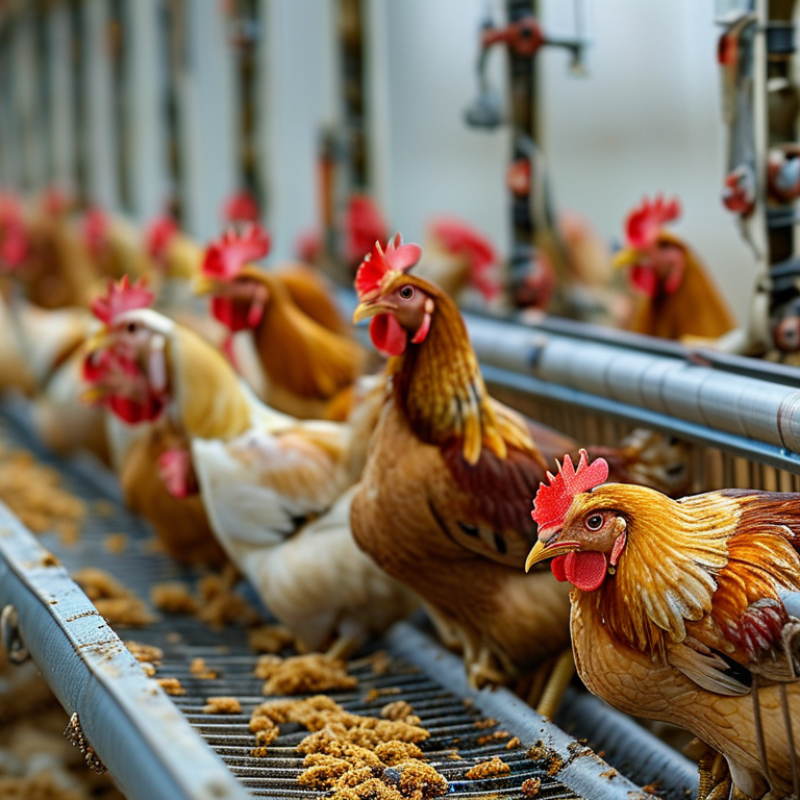
2026 Best Chicken Cage Manure Belt for Global Buyers
What Is a Chicken Cage Manure Belt?
A chicken cage manure belt is a continuous conveyor installed beneath cage rows. It collects droppings before they reach the floor. A drive motor moves the belt toward a discharge point. Workers then remove the manure for composting, drying, or approved agricultural use.
FAOSTAT recorded about 1.6 trillion hen eggs worldwide in 2022. This scale creates serious manure-handling pressure. The EU Joint Research Centre’s 2017 Best Available Techniques Reference Document identifies frequent manure removal as an important control method. It can reduce storage time, moisture exposure, and unpleasant odors. However, a belt is not a magic fix. Poor alignment can leave wet manure under the cages. Uneven loading can also damage the belt edge.
Tips: Check belt width, tensile strength, scraper design, and motor capacity. Ask for test records under high humidity. Polypropylene belts are common, but material choice depends on temperature and cleaning chemicals. Keep the discharge area accessible. A beautiful specification sheet cannot replace easy maintenance.
Global buyers should compare actual manure volume, cage spacing, and house length. A thicker belt is not always better. It may increase drive resistance and power use. Belt tension, ventilation, and cleaning frequency deserve equal attention. The IPCC 2019 Refinement also confirms that manure management affects agricultural ammonia and greenhouse-gas estimates. That detail is easy to overlook.
Modern chicken manure belts move droppings from cage rows to a collection point. A motor drives the belt beneath each tier. Scrapers then remove manure into a cross conveyor or storage area. The process keeps waste off the house floor. It also reduces manual handling around birds and equipment.
The OECD-FAO Agricultural Outlook 2024–2033 places global poultry meat production near 140 million tonnes in the early 2020s. That scale makes reliable manure removal a daily operating requirement, not an optional upgrade. The European Environment Agency’s EMEP/EEA Guidebook identifies manure management as an important ammonia source. Faster belt removal can limit drying and reduce prolonged contact with house air. However, belt systems do not solve ventilation problems alone. They need suitable airflow, cleaning routines, and correct removal intervals.
For global buyers, belt thickness, tensile strength, edge stability, and chemical resistance deserve close inspection. A 1.2-metre belt carrying wet manure faces different stress from a narrow belt in a dry climate. Poor alignment may create folded edges and trapped waste. We learned this the hard way in maintenance reviews. The cheapest belt can become expensive after repeated tracking failures. Buyers should compare load capacity, belt length, scraper design, spare-part access, and local climate conditions before selecting a system. EPA and EEA emission guidance also remind operators that storage and transfer areas require separate control measures.
For global buyers, the best chicken cage manure belt starts with material stability. A thick, tear-resistant polymer handles repeated loading and cleaning. The surface should release wet manure without trapping heavy residue. Smooth edges reduce buildup near rollers. Belt width must match cage rows precisely. A small mismatch can cause spillage, extra labor, and unpleasant ammonia around the house.
Reliable performance depends on more than belt thickness. Buyers should check tensile strength, joint quality, and resistance to moisture, manure acids, and temperature changes. Reinforced joints are especially important at turning points. Ask for test data, installation drawings, and replacement guidance. Clear documentation signals professional manufacturing. It also helps operators compare suppliers fairly across regions. Do not trust attractive photographs alone.
Maintenance details matter every day. A belt should run steadily with limited tracking adjustment. Scrapers need firm contact, but excessive pressure increases wear. Easy access to rollers can shorten cleaning time. In humid climates, drainage and ventilation around the belt deserve attention. In cold areas, stiff material may crack unexpectedly. That risk is easy to overlook. No belt is perfect. Even a well-designed system can fail when alignment is ignored or loading becomes uneven. Buyers should inspect samples, review service records, and confirm spare-part availability before ordering.
Choosing the best chicken cage manure belt starts with the material, not the advertised price. Polypropylene belts usually handle moisture, ammonia, and repeated cleaning well. PVC can offer good flexibility, but excessive heat may shorten its service life. Polyethylene may suit lighter systems, although abrasion resistance differs by formulation. Ask for thickness, tensile strength, seam design, and temperature limits. Do not trust color alone.
Size must match the cage layout and cleaning route. Measure the belt length, return space, roller diameter, and available clearance before ordering. A belt that is too narrow spills manure beside the scraper. One that is too wide can rub against the frame. Measure twice. Small alignment errors create larger problems during daily operation.
Capacity depends on flock size, manure moisture, belt speed, and cleaning frequency. A useful comparison uses kilograms per hour, not belt width alone. Request test data under conditions close to your farm, including wet manure and long operating cycles. Check motor load and belt tension together. Higher capacity may require stronger seams and better support rollers. I have seen buyers choose oversized belts, then face unnecessary power use and difficult tracking. The better choice is often the belt that matches actual output, not the largest available model. Conditions vary, so leave a practical safety margin and verify performance after installation.
| Material Type | Typical Thickness | Common Width Range | Typical Tensile Strength | Moisture and Corrosion Resistance | Operating Temperature | Expected Service Life | Best-Suited Application | Main Buying Consideration |
|---|---|---|---|---|---|---|---|---|
| Polypropylene (PP) | 0.8–1.5 mm | 1,000–2,500 mm 39.4–98.4 in | Usually specified by the manufacturer; commonly selected in the medium-strength range for cage manure systems | Very good resistance to water, dilute acids, alkalis, and poultry-house chemicals | Approximately −10°C to 80°C 14°F to 176°F | About 3–8 years under proper tension, alignment, and cleaning conditions | Standard belt-type layer, broiler, and pullet cage systems | Good balance of flexibility, chemical resistance, weight, and cost |
| Polyvinyl Chloride (PVC) | 0.8–2.0 mm | 1,000–2,500 mm 39.4–98.4 in | Varies by reinforcement and belt construction; select a reinforced grade for long conveyors | Good resistance to moisture and many cleaning chemicals; performance depends on formulation | Approximately −10°C to 70°C 14°F to 158°F | About 2–6 years in normal poultry-house service | Short- and medium-length manure conveyors with moderate loading | Easy availability and smooth surfaces; avoid excessive heat and sharp mechanical damage |
| Polyethylene (PE) | 0.8–1.5 mm | 1,000–2,000 mm 39.4–78.7 in | Generally lower stiffness than reinforced PP or PVC belts | Excellent water resistance and good resistance to many agricultural chemicals | Approximately −30°C to 60°C −22°F to 140°F | About 2–5 years, depending on UV exposure and mechanical loading | Cold-climate installations and applications requiring good low-temperature flexibility | Confirm UV stabilization and abrasion resistance before outdoor or high-load use |
| Reinforced Polymer Belt | 1.2–2.0 mm | 1,000–2,500 mm 39.4–98.4 in | Higher tensile performance than unreinforced belts; exact value depends on reinforcement and construction | Very good when the polymer cover and reinforcement are properly sealed | Typically −10°C to 80°C 14°F to 176°F | About 5–10 years in demanding, well-maintained systems | Long runs, high bird density, frequent manure removal, and elevated loading | Preferred where reduced stretch, better tracking, and higher load capacity are priorities |
| System Scale | Recommended Belt Width | Typical Belt Length per Conveyor | Practical Manure Handling Capacity | Recommended Belt Speed | Typical Use Case | Selection Notes |
|---|---|---|---|---|---|---|
| Small or compact house | 1,000–1,200 mm 39.4–47.2 in | 20–60 m 66–197 ft | Approximately 0.5–1.5 t/h | 1.5–3.0 m/min | Short rows, smaller layer houses, and low-to-medium bird density | Prioritize easy belt replacement and compatibility with the cage discharge width |
| Medium commercial house | 1,200–1,800 mm 47.2–70.9 in | 60–120 m 197–394 ft | Approximately 1.0–3.5 t/h | 2.0–4.0 m/min | Multi-tier layer systems and conventional commercial poultry houses | Use a reinforced belt when the conveyor is long or manure is removed frequently |
| Large commercial house | 1,800–2,500 mm 70.9–98.4 in | 120–200 m 394–656 ft | Approximately 2.5–6.0 t/h | 2.5–5.0 m/min | Long cage rows, high bird density, and centralized manure collection | Check motor torque, belt tracking, splice strength, and support-roll spacing as a complete system |
| High-frequency manure removal | 1,200–2,000 mm 47.2–78.7 in | 40–150 m 131–492 ft | Approximately 1.0–4.0 t/h | 1.5–3.5 m/min | Daily or more frequent removal to reduce moisture accumulation and ammonia release | A thinner, flexible belt may be suitable if loading is moderate and alignment is well controlled |
| Evaluation Criterion | What to Check | Why It Matters | Practical Recommendation |
|---|---|---|---|
| Material compatibility | Polymer type, reinforcement, surface finish, and chemical resistance | Manure contains moisture, salts, organic acids, and cleaning residues that can accelerate deterioration | Choose PP or a reinforced polymer belt for general use; verify chemical compatibility with the cleaning program |
| Belt thickness | Measured thickness, thickness tolerance, and edge quality | Thicker belts generally offer better puncture and wear resistance but may require more drive torque | Use approximately 0.8–1.2 mm for moderate loading and 1.2–2.0 mm for long or heavily loaded conveyors |
| Width and cage fit | Actual belt width, discharge opening, side clearance, and return-path dimensions | An incorrect width can cause spillage, rubbing, tracking problems, or interference with the cage frame | Measure the existing belt and conveyor frame before ordering; specify metric dimensions and tolerances |
| Load capacity | Expected manure mass per hour, belt speed, conveyor incline, and loading pattern | Capacity depends on the complete conveyor system rather than belt width alone | Use a safety margin of at least 20% above the calculated peak load where operating conditions vary |
| Splicing method | Welded, heat-sealed, mechanical, or endless construction | The splice is often the most highly stressed part of the belt and affects reliability | For long-term use, confirm splice strength, installation tools, replacement time, and local service capability |
| Tracking and tension | Drive-drum alignment, roller spacing, belt edge straightness, and tension adjustment | Misalignment causes edge wear, wrinkling, manure leakage, and premature belt failure | Request installation tolerances and maintenance instructions with the belt specification |
| Climate and logistics | Operating temperature, UV exposure, humidity, roll diameter, packed dimensions, and shipping weight | Storage and transport conditions can affect belt deformation and total landed cost | For outdoor storage or strong sunlight, specify UV stabilization and moisture-protected packaging |
Installation should begin with the house layout, not the belt purchase. Measure cage-row spacing, belt width, discharge height, and available turning clearance. A belt that fits the brochure may still clash with columns or drainage channels. Measure twice. Keep the belt level within the supplier’s stated tolerance. Even small alignment errors can create edge curling, scraping, and uneven manure loading.
During operation, remove manure frequently and inspect the drive roller, tensioner, scraper, and return path. The EU Joint Research Centre’s 2017 Best Available Techniques Reference Document links regular manure removal and drying practices with lower emissions in intensive poultry housing. The IPCC 2019 Refinement also treats manure management as an important agricultural emissions source. These reports do not replace site testing. Ventilation, humidity, feed composition, and flock density change results. Field technicians commonly check the belt after the first loaded cycle, because an empty test can hide tracking problems.
International buyers should request belt material specifications, tensile strength, temperature limits, motor voltage, spare-part drawings, and installation tolerances. FAOSTAT reported global hen-egg production above 95 million tonnes in 2022, showing why scalable waste handling matters across diverse markets. Confirm language, packing dimensions, inspection documents, and electrical compliance before payment. Stainless fasteners can help in humid houses, but they are not a complete corrosion solution. A weak scraper design may increase cleaning labor. That detail is easy to miss. Allow room for imperfect local maintenance, and obtain a realistic service response time in writing.