50% Response rate
Choosing reliable Turmeric Powder suppliers in 2026 requires more than comparing prices or attractive packaging. Global buyers need consistent color, aroma, mesh size, curcumin content, and moisture levels. A bright yellow sample can still hide weak traceability or uneven processing.
Dr. Bharat B. Aggarwal, a widely cited turmeric researcher, described curcumin as “a potent anti-inflammatory agent.” His statement helps explain why buyers examine quality beyond appearance. However, turmeric quality is not identical to curcumin concentration. Product form, origin, processing temperature, and laboratory methods also affect commercial value.
This guide examines leading Turmeric Powder suppliers serving international markets. It considers manufacturing experience, farm-level sourcing, batch testing, food safety systems, export capability, and documentation quality. Certificates of analysis should confirm microbiological safety, heavy-metal limits, pesticide screening, and active-compound levels. Buyers should also check whether test results match the exact shipped batch.
Details matter.
A dependable supplier should communicate clearly about harvest periods, drying methods, packaging barriers, and storage conditions. Certifications can support trust, but they do not replace independent verification. Some supplier rankings remain imperfect because prices, capacities, certifications, and regional availability change during the year. That limitation deserves attention.
The strongest candidates combine transparent evidence with practical responsiveness. They answer technical questions without vague promises. They disclose weaknesses when appropriate. For importers, food manufacturers, retailers, and ingredient distributors, this comparison offers a working starting point—not a permanent verdict—for selecting Turmeric Powder suppliers in a changing global market.
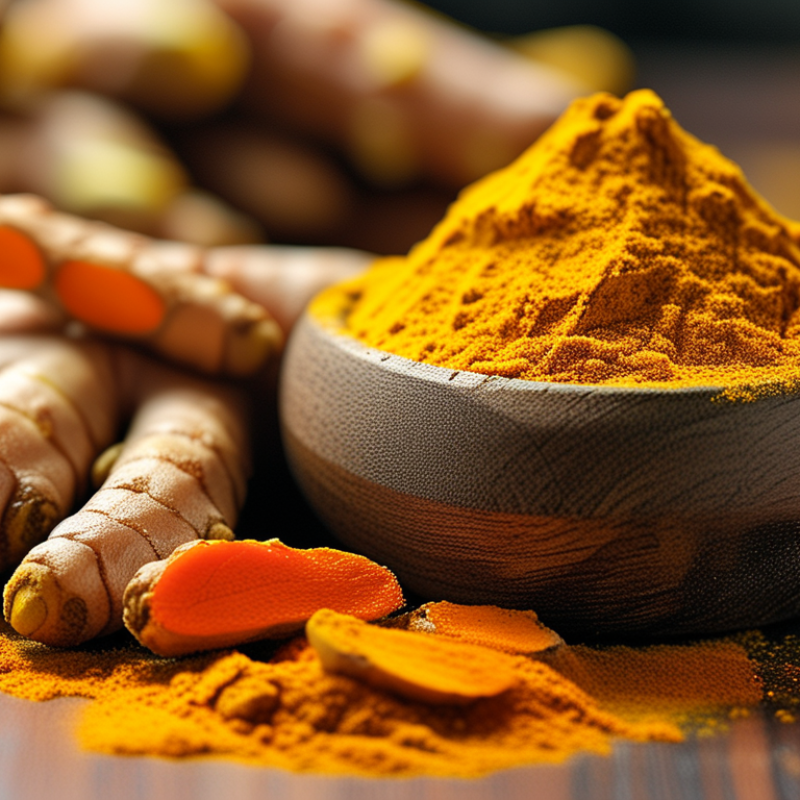
Turmeric powder is made from dried turmeric rhizomes, milled into a fine yellow ingredient. Its color, aroma, heat, and curcumin level vary by variety, harvest, and processing method. It is not simply “yellow powder.” Drying temperature can affect aroma and natural compounds. Grinding conditions also influence particle size, flow, and mixing performance. These details matter in curry blends, beverages, prepared foods, and standardized formulations. The global market is growing through consumer interest in traditional flavors and plant-based ingredients. Yet demand does not remove supply risks. Weather, crop disease, freight delays, and currency changes can shift costs quickly.
For 2026 purchasing, a capable supplier should provide a clear specification sheet and lot-based test results. Check botanical identity, moisture, microbiological limits, heavy metals, pesticide residues, and curcumin content. Ask whether testing is performed internally or by an independent laboratory. Reliable records should connect each result to a production lot and shipment date. Food safety controls, traceability, hygienic packaging, and export documentation deserve equal attention. A polished certificate alone proves little. Visit audits or live video inspections may reveal storage issues hidden in documents. Look for cool, dry rooms, sealed bags, clean pallets, and protection from strong odors.
Price comparisons need context. A lower quote may exclude testing, inner liners, or climate-controlled transport. Request samples from several lots, then compare color, smell, dispersibility, and taste under the same conditions. Confirm packaging sizes, lead times, minimum order quantities, and procedures for rejected goods. No checklist is perfect. Seasonal samples can still differ from shipment quality. That gap deserves honest discussion before a contract is signed. The strongest supplier relationship combines technical evidence, responsive communication, and realistic promises.
Understanding Turmeric Powder and Its Global Market
Turmeric powder is naturally rich in carbohydrates and dietary fiber. The following chart presents the USDA reference nutrient profile for ground turmeric per 100 grams. These non-branded nutritional benchmarks can help global buyers compare product specifications and evaluate formulation, labeling, and quality requirements.
Source: USDA FoodData Central, reference entry for ground turmeric.
2026 Top Turmeric Powder Suppliers for Global Buyers
Key Criteria for Evaluating Turmeric Powder Suppliers
A dependable turmeric powder supplier should provide clear origin records for every shipment. Ask where the turmeric was grown, processed, and packed. Traceability should reach the farm or collection area, not stop at a warehouse. Harvest dates, drying methods, and storage conditions also matter. Poor moisture control can create clumps, dull color, or microbial problems.
Request a recent certificate of analysis for each production lot. It should show curcumin content, moisture, microbiological results, pesticide screening, and heavy metal testing. Check whether an independent laboratory issued the report. A polished document is not enough. Compare the lot number with the physical bag and shipping documents. Small mismatches deserve attention.
Evaluate the supplier’s production experience through samples and factory evidence. Inspect powder color, aroma, mesh size, and dispersion in warm water. Ask how workers prevent cross-contact during grinding and packing. Food safety certifications can support credibility, but they should match actual practices. Some suppliers present strong paperwork while offering weak answers about recalls or complaints. That is a warning. No supplier is flawless, and seasonal variation can affect color and curcumin levels. I would record these changes instead of demanding unrealistic uniformity. Reliable partners explain delays early, protect packaging from humidity, and maintain backup supply plans without hiding uncertainty.
| Evaluation Dimension | Recommended Buyer Benchmark | Evidence to Request | Why It Matters | Suggested Weight |
|---|---|---|---|---|
| Product Identity | 100% turmeric rhizome powder; botanical name and plant part clearly stated. | Product specification, technical data sheet, and product label. | Confirms that the material matches the intended food, supplement, or industrial application. | 8% |
| Curcuminoid Content | Use a declared specification appropriate to the product grade; common food-grade powder is often specified by total curcuminoids rather than assumed potency. | Recent certificate of analysis using a validated HPLC method, including test basis and result. | Curcuminoid level affects color, formulation consistency, and commercial positioning. | 14% |
| Moisture and Water Activity | Moisture limit should normally be established in the specification; a food-powder purchasing target of 10% or lower is commonly used, subject to application requirements. | COA showing moisture method and, where relevant, water-activity results. | Lower moisture can improve storage stability and reduce caking risk, but the agreed test method must be consistent. | 8% |
| Microbiological Safety | Acceptance limits should be agreed by market and application, covering total plate count, yeast and mold, coliforms, Escherichia coli, and Salmonella. | Batch-specific microbiological COA from an accredited or qualified laboratory. | Spices are agricultural products and require documented control of microbial hazards. | 16% |
| Pesticide Residues | Results should comply with the maximum residue limits of the destination market, such as applicable European Union or United States requirements. | Multi-residue pesticide report with analyte list, detection limits, laboratory details, and sample identification. | Residue limits differ by jurisdiction and may affect customs clearance and product legality. | 14% |
| Heavy Metals and Contaminants | Test for lead, cadmium, arsenic, and mercury, with limits set according to the importing country and intended use. | Current heavy-metal report and contaminant-control statement. | Soil and environmental contamination can enter agricultural supply chains and create regulatory risk. | 10% |
| Authenticity and Adulteration Control | Supplier should maintain identity testing and controls for unauthorized dyes, fillers, undeclared starches, and other adulterants. | Authenticity policy, identity-test results, and risk-based testing plan. | Turmeric and other colored spices can be exposed to economically motivated adulteration. | 12% |
| Food-Safety Certification | A recognized food-safety management or certification scheme suitable for the buyer's supply chain; certification scope must include the relevant processing site. | Valid certificate, scope, issuing body, expiry date, and audit status. | Independent certification provides evidence of documented hazard controls and system oversight. | 8% |
| Traceability and Recall Readiness | Every shipment should be linked to a lot number, production date, raw-material source, processing record, and retained sample. | Traceability procedure, sample lot records, and mock-recall results where available. | Fast lot identification limits the impact of a quality incident and supports regulatory response. | 8% |
| Packaging and Shelf Life | Food-contact packaging should protect against moisture, light, contamination, and odor transfer; shelf life must be supported by product data. | Packaging specification, storage conditions, shelf-life statement, and package photographs or samples. | Appropriate packaging helps preserve color, aroma, flowability, and safety during international transport. | 5% |
| Export Documentation | Supplier should provide commercial invoice, packing list, certificate of origin when required, shipping documents, and destination-specific food-safety documents. | Redacted sample document set and documented export workflow. | Complete documentation reduces customs delays and prevents avoidable clearance issues. | 5% |
| Supply Capacity and Lead Time | Evaluate confirmed monthly capacity, production schedule, minimum order quantity, standard lead time, and contingency stock rather than relying on price alone. | Capacity statement, lead-time history, MOQ, and supply-continuity plan. | Reliable availability is essential for buyers managing seasonal demand and long international transit times. | 10% |
| Total Suggested Evaluation Weight | 110% | |||
Note: The benchmarks are a practical buyer-screening framework. Final acceptance limits should be written into the purchase specification according to the product application and the regulations of the destination market.
For international buyers, choosing turmeric powder suppliers requires more than comparing price per kilogram. Spices Board India estimates national turmeric production at roughly 1.1 million tonnes in 2023–24, confirming India’s central role in global supply. However, large output does not guarantee consistent quality. Suppliers should provide harvest details, origin records, moisture results, curcumin testing, and microbiological certificates for every lot.
Reliable exporters normally work with laboratory reports aligned with ISO sampling practices and destination-market requirements. Buyers should check pesticide residues, heavy metals, aflatoxins, Salmonella, and unauthorized dyes. The Codex General Standard for Contaminants offers useful international reference limits, although local rules may be stricter.
Ask for a retained sample. Compare it with the shipped batch.
Physical checks still matter. A clean powder should show a uniform golden colour, fresh earthy aroma, and no damp clumps. Yet appearance can mislead. Curcumin percentage varies by cultivar, soil, processing temperature, and storage time. The European Commission’s food-safety reporting repeatedly identifies pesticide residues and contamination as important import-control concerns across food categories. That makes traceability essential, not decorative paperwork. Some suppliers explain testing clearly; others provide impressive certificates with weak batch links. Buyers should question both. A careful contract should define packaging, shelf life, testing methods, acceptable limits, and corrective action before payment. Reliability is built through repeated lots, not one attractive sample.
Reliable turmeric powder suppliers should show more than a bright yellow sample. Quality begins with documented sourcing, controlled drying, and clean milling conditions. Buyers should request the harvest region, lot number, processing date, and storage temperature. A mild earthy aroma matters, but appearance alone proves little.
Strong suppliers commonly maintain HACCP, GMP, or ISO 22000-based food safety systems. Organic, Halal, and Kosher certifications may also support specific market requirements. Verify each certificate with the issuing body, because documents can expire or cover only one facility. A recent certificate of analysis should match the exact shipment lot, not a general product sheet.
Independent testing adds confidence. Laboratories should measure curcuminoid content through HPLC, along with moisture, total ash, microbial counts, pesticides, heavy metals, and aflatoxins. Testing for undeclared dyes and starches is also useful when color seems unusually strong. Ask for Salmonella and E. coli results before accepting bulk cargo. ISO/IEC 17025 laboratory accreditation strengthens the report’s credibility.
Practical checks still matter. Open a retained sample, inspect the seal, and note clumping after storage. Even careful suppliers may face seasonal variation. One weakness remains: a single laboratory result cannot represent every bag. Buyers should use risk-based sampling, clear specifications, and traceability records from farm to warehouse.
Global buyers should treat turmeric powder as a specification-led purchase, not a simple commodity order. India’s Spices Board reported 162,018 tonnes of turmeric exports in 2023–24, valued at approximately INR 17.78 billion. That equals nearly INR 110 per kilogram at export level, before processing, packaging, freight, duties, and margins. Actual offers vary sharply with curcumin content, mesh size, drying method, and certification.
Ask suppliers for recent laboratory results. Key checks include moisture, curcumin percentage, Salmonella, heavy metals, pesticide residues, and aflatoxins. ISO 5562:1983 provides a useful reference for turmeric quality characteristics, although importing countries may impose stricter rules. UN Comtrade data under HS 091030 can help compare shipment values and origin trends. Data is useful, but not perfect. Customs values may exclude inland transport or reflect mixed product grades.
Pricing discussions should define delivery terms clearly. FOB can look attractive, while ocean freight, insurance, port handling, and destination testing raise the landed cost. Keep at least two to four weeks for document corrections and inspection delays. Use moisture-resistant inner liners and strong export cartons, especially during humid voyages. Confirm the commercial invoice, packing list, certificate of origin, phytosanitary documents, and product-specific import requirements. I would not rely on a single sample. A second pre-shipment test often reveals uneven color, clumping, or contamination risks.