7 Tips for Buying Natural Deoxyarbutin Powder?

Buying Natural Deoxyarbutin Powder requires more than comparing prices and product photographs. A reliable decision begins with identity, purity, stability, and supplier transparency. Natural labeling can sound reassuring. It is not proof of quality.

Cosmetic dermatologist Dr. Zoe Diana Draelos offers a valuable reminder: “Natural does not always mean safe.” That principle matters when evaluating skin-brightening ingredients. Buyers should confirm the exact INCI name, manufacturing method, assay percentage, and batch number. A current Certificate of Analysis should show testing for purity, heavy metals, microbial contamination, and residual solvents. Small details matter. A missing test can change the entire risk assessment.

This guide presents seven practical tips for choosing Natural Deoxyarbutin Powder with greater confidence. It examines supplier credentials, documentation, packaging, storage conditions, formulation compatibility, and regulatory responsibility. Look for light-resistant packaging, clear expiration dates, and storage instructions that match the powder’s stability needs. Ask whether the supplier can provide a representative sample before placing a large order. That simple step may reveal color differences, unusual odor, poor dispersibility, or inconsistent documentation.

Natural does not mean risk-free. Neither does a polished website prove expertise. A supplier may offer attractive specifications, yet provide weak evidence behind them. Buyers should compare records, request clarification, and avoid rushed decisions. Even experienced formulators can overlook one unfamiliar variable. The goal is not to find the cheapest powder, but to select a traceable, consistently tested ingredient suitable for responsible cosmetic development.
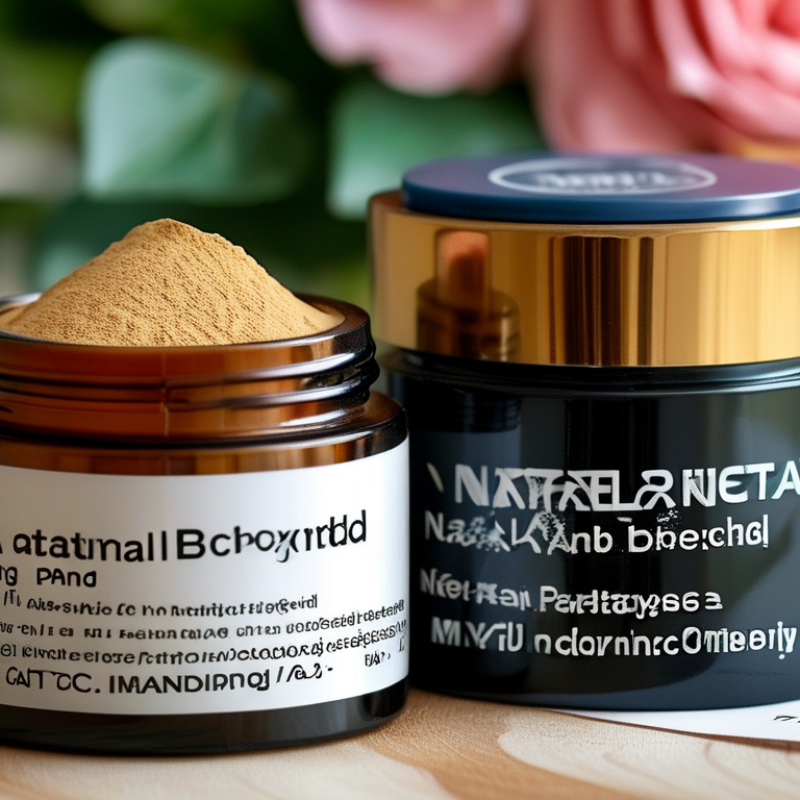
7 Tips for Buying Natural Deoxyarbutin Powder?

What Natural Deoxyarbutin Powder Is and Why Purity Matters

Natural deoxyarbutin powder needs careful examination because “natural” does not automatically mean pure. Deoxyarbutin is often confused with arbutin or alpha-arbutin, although their structures differ. Ask for the exact chemical name, CAS number, botanical source, and manufacturing method. ISO 16128 provides guidance for calculating natural-origin content, but it does not certify safety, efficacy, or batch purity.

Purity matters because small contaminant levels can affect color, odor, stability, and skin tolerance. Request a recent certificate of analysis with HPLC assay results, moisture, residual solvents, heavy metals, and microbiological limits. Independent laboratory testing is stronger than a supplier’s unchecked statement. A clear chromatogram should show the target peak, not only a percentage printed on paper. Check the batch number and test date.

Market pressure can encourage vague claims. Grand View Research valued the global skincare market at about 155.7 billion dollars in 2023, showing why ingredient demand attracts aggressive marketing. Do not choose the cheapest powder quickly. Compare three batches when possible. Store samples in sealed, light-resistant packaging, because botanical materials may oxidize. I would also question unusually high purity claims without testing. Even experienced buyers can miss adulteration. That uncomfortable doubt is useful. A reliable supplier should explain differences between natural-origin content and chemical purity, then provide traceable evidence.

How to Verify Botanical Origin and Manufacturing Standards

7 Tips for Buying Natural Deoxyarbutin Powder: How to Verify Botanical Origin and Manufacturing Standards

Tip 1: Question the word “natural.” Deoxyarbutin is often produced through chemical synthesis, rather than direct plant extraction. Ask the supplier to state the exact production route. A botanical name alone proves very little. Request the plant part, country of origin, harvest details, and full traceability records.

Tip 2: Examine the certificate of analysis carefully. It should show assay results, testing methods, batch numbers, and manufacturing dates. Independent HPLC testing can help confirm identity and purity. Also check limits for heavy metals, residual solvents, moisture, and microbial contamination. Vague percentages are warning signs.

Tip 3: Review the manufacturing standard, not just the sales description. Look for current GMP documentation, controlled processing records, and a documented quality system. An ISO certificate may support credibility, but it does not replace product-specific testing. Ask whether an accredited laboratory verified the batch.

Tip 4: Request a representative sample before ordering larger quantities. Compare its color, odor, powder texture, and laboratory results. Small differences may reflect processing, but unexplained changes deserve investigation.

Tip 5: Check packaging and storage instructions. Light, heat, and moisture can affect powder stability. The label should include a lot number, net weight, storage conditions, and retest date. Missing details suggest weak control.

Tip 6: Ask for allergen, contaminant, and safety statements. These documents should match the same batch. Suppliers sometimes send generic files. That is not enough.

Tip 7: Keep a written supplier questionnaire. It prevents overlooked details. No document proves everything, and buyers must still verify claims independently.

7 Tips for Buying Natural Deoxyarbutin Powder

How to verify botanical origin and manufacturing standards before purchasing

The chart counts the distinct evidence items to request for each verification step. Botanical origin should be supported by the plant’s Latin name, plant part, geographic source, and traceability records. Manufacturing quality should be confirmed through current GMP or ISO documentation, batch-specific testing, identity analysis, assay results, and contaminant testing. A certificate alone does not prove botanical origin unless it is linked to a specific production lot and supporting records.

Which Quality Tests and Certificates to Check Before Buying

When buying natural deoxyarbutin powder, do not judge quality from color or a polished product page. Ask for a current certificate of analysis (COA) tied to the exact batch. It should state assay, test methods, manufacturing date, retest date, and laboratory approval. HPLC testing helps confirm identity and purity. A vague “high purity” claim is not enough. Check the chromatogram when available.

Request independent results for heavy metals, microbial limits, residual solvents, moisture, and pesticide residues. These tests matter when the powder enters a cosmetic formula. Confirm the laboratory’s accreditation and verify report numbers directly. ISO 17025 accreditation can support confidence, but it does not replace reviewing the data.

Ask for a specification sheet and safety data sheet too. The word “natural” needs clarification. Does it describe the source, processing route, or marketing category?

Before payment, compare batch numbers across the COA, label, invoice, and packaging photographs. Check whether the certificate is recent. Old paperwork can hide changed suppliers or processes.

No document is perfect. I would request a small sample and arrange confirmatory testing before placing a large order. Some buyers skip this step, and that is a costly weakness. Review storage conditions, sealed packaging, and traceability records. If clear answers are missing, pause the purchase.

How to Assess Supplier Reliability, Packaging, and Storage

When buying natural deoxyarbutin powder, supplier reliability deserves close attention. Do not rely on a polished website or fast replies. Request a recent certificate of analysis, showing assay, moisture, appearance, and testing methods. The batch number should match the product label and shipping documents. Ask whether an independent laboratory verifies key results. Clear answers matter.

Check the supplier’s traceability records. They should explain the raw material source, production date, and quality controls without hiding behind vague claims. Safety data and technical specifications should be available before payment. Ask about sample testing, too. A small sample can reveal clumping, unusual color, or a sharp odor. It is not perfect evidence, but it reduces risk. I have seen buyers trust one document too quickly.

Packaging protects quality during transport and storage. Prefer sealed, opaque inner bags inside a rigid outer container. Moisture barriers are important because powder can absorb humidity and form hard lumps. The label should include the product name, lot number, net weight, production date, and recommended storage conditions. Avoid damaged seals or unclear labels. Store the powder tightly closed in a cool, dry, dark place, away from heat and direct sunlight. Keep it off the floor. Record opening dates and inspect the powder before use. Even careful buyers can overlook a humid storeroom.

7 Tips for Buying Natural Deoxyarbutin Powder? - How to Assess Supplier Reliability, Packaging, and Storage

Assessment Area What to Verify Reliable Evidence or Acceptance Criteria Warning Signs Suggested Weight
1. Identity and “Natural” Claim Confirm the material identity, intended use, and meaning of the word “natural.” The supplier provides a consistent product name, CAS or internal identity reference, manufacturing-route statement, and written clarification of whether “natural” refers to the source, process, or marketing description. Vague botanical-origin claims, inconsistent naming, or refusal to disclose whether the ingredient is chemically synthesized. 15%
2. Supplier Quality System Evaluate whether the supplier controls production, testing, deviations, and traceability. Current quality certificates or audit records, documented batch numbering, change-control procedures, complaint handling, and the ability to trace raw materials and finished batches. Only a sales quotation is supplied; batch records, audit responses, or quality procedures are unavailable. 20%
3. Certificate of Analysis Check whether the COA is batch-specific and includes meaningful test methods. COA includes batch number, manufacturing date, retest or expiry date, appearance, identification, assay or purity, moisture or loss on drying, relevant impurities, microbiological results when applicable, test methods, specifications, and authorized approval. Generic COA reused for multiple lots, missing test methods, unexplained “pass” results, or a mismatch between the COA and shipment label. 20%
4. Independent Verification Confirm identity and quality through a qualified independent laboratory before commercial purchase. A retained sample is tested using suitable, validated or justified methods; results are compared with the supplier’s COA and approved internal specifications. Supplier discourages third-party testing, provides no retain sample, or cannot explain significant differences between test results. 15%
5. Packaging Integrity Assess protection from moisture, light, oxygen, contamination, and physical damage. Food, cosmetic, or pharmaceutical-grade packaging is selected for the intended use; the inner liner is sealed; the outer container is clean, intact, tamper-evident where appropriate, and clearly labeled. Torn liners, damp powder, broken seals, unlabeled inner bags, excessive headspace, or packaging that has absorbed odors. 10%
6. Labeling and Documentation Check whether the shipment can be identified and handled correctly throughout its life cycle. Label shows product identity, batch number, net weight, production date, retest or expiry date, storage conditions, handling precautions, and supplier contact details; SDS is available where required. Handwritten labels, missing batch information, conflicting dates, or no safety and handling documentation. 10%
7. Storage and Transport Control Verify conditions that help preserve powder quality after production and during delivery. Store in a tightly closed container in a cool, dry, well-ventilated place, protected from direct light and incompatible materials; follow the supplier’s validated temperature and humidity limits and record any special transport requirements. No defined storage range, prolonged exposure to heat or humidity, wet cartons, condensation, or evidence that the container was opened during transit. 10%
Total Evaluation Weight 100%
Practical purchasing rule: Request a representative sample, review the batch-specific COA and SDS, inspect the packaging upon receipt, and complete independent testing before approving a large-volume order. Storage conditions should always follow the supplier’s current technical documentation and applicable local requirements.

How to Compare Pricing, Dosage Information, and Product Safety

Buying natural deoxyarbutin powder requires more than comparing the lowest price. A low quote may reflect weaker purity, larger minimum orders, or missing laboratory tests. Compare the cost per gram, not only the total invoice. Ask whether shipping, testing, and packaging fees are included. A clear supplier should provide a recent certificate of analysis, batch number, manufacturing date, and storage conditions.

Dosage information deserves careful attention. Cosmetic use levels can vary by formula, skin contact time, and regional requirements. Treat online dosage charts as starting information, not professional instructions. Request technical data showing recommended concentration, solubility, pH stability, and compatible ingredients.

Tiny details matter. Experienced formulators usually test a small sample before ordering bulk powder. I would not rely on a supplier that gives confident dosage claims without test data.

Product safety also depends on handling and traceability. Check whether the powder arrives in a sealed, light-resistant container with clear labeling. Independent testing for identity, purity, heavy metals, and microbial contamination adds useful evidence.

A patch test and stability test should be considered before wider cosmetic use. Results can vary. “Natural” on a product page does not automatically prove safer sourcing or better performance.

I have seen buyers focus on price and overlook moisture damage, which can affect powder quality. When information is incomplete, delaying the purchase is often the more professional choice.