What is an Airless Bottle and How Does it Work?
Airless Bottles are revolutionizing the cosmetic and skincare industry. These innovative containers ensure that products remain stable and uncontaminated. Dr. Emily Chen, a leading expert in packaging technology, states, "Airless bottles are crucial for maintaining product integrity." They work by preventing air exposure and oxidation, which can compromise ingredients.
The mechanism behind airless bottles involves a pump system that dispenses the product without introducing air. This design not only enhances product longevity but also minimizes waste. Consumers appreciate airless bottles for their cleanliness and efficiency. However, the cost can sometimes deter brands from making the investment.
Despite their advantages, some might question the accessibility and affordability of airless bottles. Packaging technology continues to evolve, prompting brands to balance quality and cost. As airless bottles gain popularity, it’s essential to reflect on how these changes impact both producers and consumers alike.
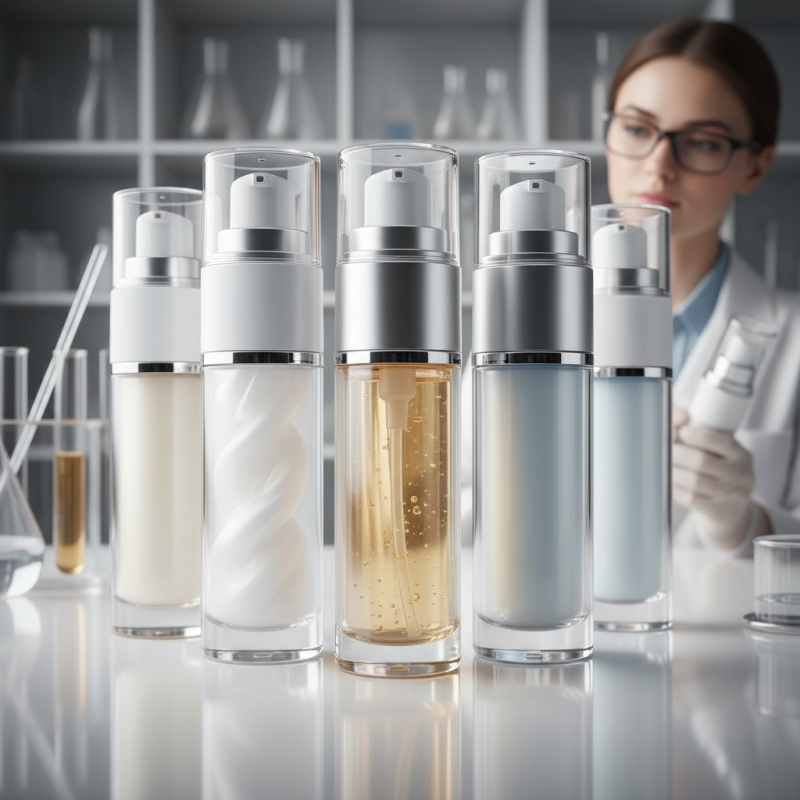
Definition of an Airless Bottle and Its Unique Features
Airless bottles are innovative packaging solutions designed to preserve the integrity of their contents. These bottles operate without air exposure, reducing oxidation and contamination. According to a recent market report, the global airless packaging market is expected to reach $9.5 billion by 2026, indicating a growing recognition of their advantages among consumers and manufacturers alike.
One key feature of airless bottles is their ability to maintain product potency. For skincare and cosmetic products, exposure to air can diminish active ingredients. Studies indicate that products stored in airless systems retain their efficacy 25% longer than those in traditional containers. The vacuum system effectively dispenses the product without introducing air, leading to improved shelf life and reduced waste. However, many consumers may struggle to adapt to using these bottles, as they often require different dispensing techniques.
Moreover, the sustainability aspect of airless bottles cannot be ignored. They are often made from recyclable materials and minimize waste. Research indicates that consumers are becoming increasingly conscious of sustainable packaging solutions. However, the complexity of manufacturing airless bottles can lead to higher production costs, which may not be ideal for every brand. The balance between sustainability and affordability remains a topic of ongoing industry debate.
Airless Bottle Usage in Cosmetics
How Airless Bottles Work: The Mechanism Behind the Design
Airless bottles offer innovative solutions for product preservation. Their design eliminates air exposure, which can degrade formulations over time. These bottles use a unique pumping mechanism that allows users to dispense the product without letting air inside. This helps maintain the integrity of sensitive ingredients, such as antioxidants or vitamins.
When pressure is applied to the bottle, a disc at the base moves upward. This creates a vacuum that draws the product up through the dispensing nozzle. The tightly sealed environment means that contaminants have a harder time getting in. Users can enjoy every last drop, as the mechanism pushes the product upwards as it's used. However, the sometimes complex design can make refilling challenging.
Despite their advantages, airless bottles have limitations. For instance, they may be more expensive than traditional containers. Users occasionally find them tricky to operate, particularly if the pump malfunctions. It's essential to balance the benefits with potential frustrations. Understanding these details can enhance your experience with airless technology, ensuring you're well-informed before making a choice.
Airless Bottle Overview
| Feature | Description | Advantages | Usage |
| Design | Vacuum-sealed container that dispenses product without air exposure. | Prevents contamination and oxidation, prolongs product life. | Ideal for skincare, serums, and sensitive formulations. |
| Mechanism | Uses a pumping system that creates a vacuum seal. | Ensures minimal product waste and efficient dispensing. | Commonly used in cosmetics and pharmaceuticals. |
| Materials | Typically made from high-quality plastics or glass. | Durability and resistance to breakage. | Recommended for high-end products. |
| Environmental Impact | Recyclable materials can be used; reduces need for preservatives. | Eco-friendly option for packaging. | Suited for brands focusing on sustainability. |
| Applications | Used in skincare, hair care, and makeup products. | Enhances user experience with clean dispensing. | Popular in luxury and professional product lines. |
Benefits of Using Airless Bottles for Cosmetics and Pharmaceuticals
Airless bottles are revolutionizing the packaging of cosmetics and pharmaceuticals. These innovative containers prevent air from entering and contaminating the product. This design extends the shelf life and ensures active ingredients remain effective. According to a report by MarketsandMarkets, the airless packaging market is projected to reach $8.9 billion by 2025, highlighting its growing significance in the beauty and health sectors.
One notable benefit of airless bottles is the reduction of oxidation. Oxidation can degrade sensitive ingredients. By eliminating air exposure, products stay fresher for longer. Additionally, because of their vacuum mechanism, users can dispense even the last bit of the product without waste. This efficiency leads to more sustainable usage and greater customer satisfaction.
Tips: Always check if the airless bottle is compatible with your product's formula. Some formulations may require special materials. Consider the product’s viscosity to ensure proper dispensing. Regularly evaluate the effectiveness of different packaging solutions. The durability and functionality of these bottles can be a reflection of broader industry trends.
Comparing Airless Bottles to Traditional Packaging Solutions
Airless bottles have gained popularity due to their innovative design. Unlike traditional packaging, they prevent air from entering. This significantly reduces oxidation. Oxidation can destroy product integrity. In fact, studies show that products stored in airless bottles retain their efficacy for 25% longer.
Traditional packaging often leads to exposure, which compromises product quality. Many people experience wasted product because they are unable to extract every drop from conventional containers. Reports indicate that about 25% of skincare products are wasted this way. Airless bottles eliminate this issue. They allow users to dispense product without waste.
Tips: When choosing packaging, consider the product type. For sensitive ingredients, airless bottles are ideal. Always check if the dispensing mechanism works smoothly. A poorly designed pump can hinder usability.
Another consideration is the environmental impact. While airless bottles support product longevity, their materials may not always be recyclable. Balancing sustainability with functionality can be challenging. Aim for eco-friendly options, but prioritize your product's performance too.
Common Applications and Industries Utilizing Airless Bottles
Airless bottles are increasingly used across various industries. They minimize product oxidation and contamination, preserving formulas for longer periods. The beauty sector, particularly skincare, benefits significantly from this technology. According to a recent report by Grand View Research, the global airless packaging market is anticipated to reach $11.67 billion by 2028. This represents a compound annual growth rate (CAGR) of 6.3%. Many brands recognize that airless bottles enhance product efficacy and user experience.
Pharmaceutical companies also adopt airless bottles for their sensitive formulations. Airless packaging prevents air contact, which can degrade active ingredients. The market for pharmaceutical airless packaging is projected to grow steadily, driven by the need for reliable delivery systems. The Global Packaging Alliance reports that about 25% of pharmaceutical companies are shifting towards airless solutions. This shift reflects growing awareness of the product integrity and patient safety.
Food and personal care industries utilize airless bottles too. They offer controlled dispensing and minimize waste. However, some concerns arise regarding cost and recyclability. Producers must balance these factors with consumer preferences. While airless technology presents immense advantages, adjustments might be necessary as industries evolve. The innovations must meet sustainability goals while delivering performance. Keeping an eye on market trends is crucial for ongoing development.
