What Is the Best Ceremonial Matcha Powder from China?
Choosing the best Ceremonial Matcha Powder from China takes more than trusting a premium label. “Ceremonial” is not a universally standardized grade, so the words alone cannot verify quality. A careful comparison looks at origin, harvest details, processing, freshness, and the seller’s traceability. Small clues matter: a clear production date, an intact pouch, and a fine, vivid-green powder.
Tea scholar Okakura Kakuzō wrote, “Tea began as a medicine and grew into a beverage.” His observation concerns tea broadly, not Chinese matcha specifically. Still, it points to a useful idea: quality depends on how the leaf is grown, handled, and prepared. For matcha, look for carefully processed leaves, a clean aroma, and a smooth texture. When whisked, the powder should disperse evenly, forming a fine layer of foam rather than stubborn clumps.
Taste can be personal. That is worth admitting. One drinker may prefer gentle sweetness; another may notice grassy, marine, or slightly bitter notes. This guide examines practical buying signals, brewing behavior, and flavor without treating “ceremonial” as proof of excellence. It also considers what product descriptions leave unsaid. No single label settles the question. The best choice is the one whose origin and handling are clear, and whose cup suits your palate.
Define Matcha and Distinguish “Ceremonial Grade” from ISO 20715:2023
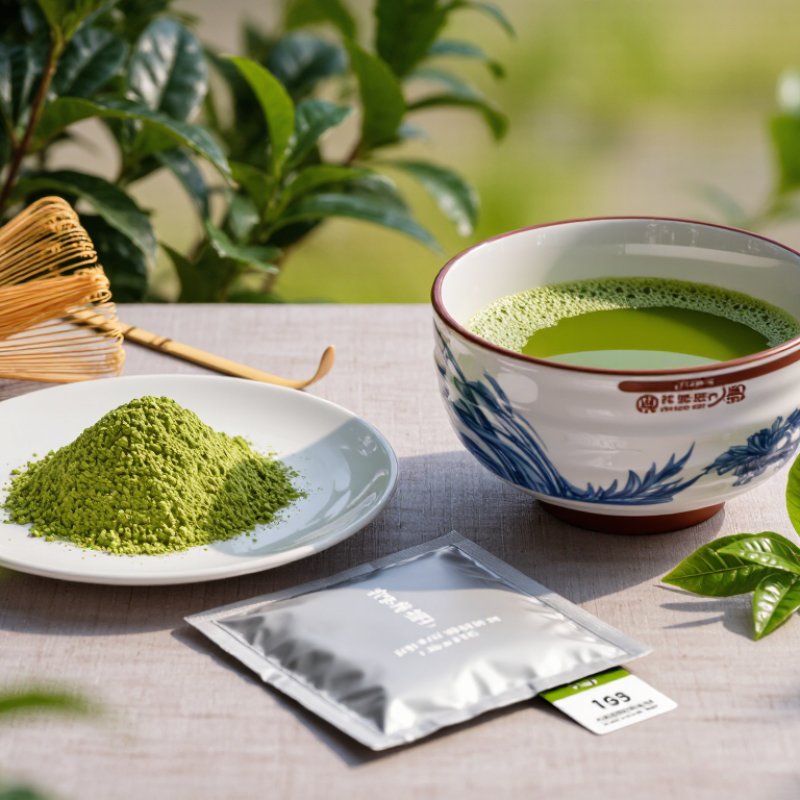
Matcha is finely milled green tea, traditionally made from shade-grown leaves processed into tencha before grinding. The powder is whisked directly into water, so the whole leaf is consumed. A good cup may look vivid green and feel silky, with fresh vegetal notes and modest bitterness. Color alone proves little.
“Ceremonial grade” is not a category established by ISO 20715:2023. The standard classifies tea by type and processing; it does not create a global matcha quality ladder. The phrase is commonly used in trade to suggest powder suited to drinking with water, but sellers may apply it differently. The label can still be useful, though it needs evidence behind it.
For Chinese matcha, assess more than the word “ceremonial.” Ask for the tea’s origin, harvest details, processing method, and current testing for contaminants. Brew a small sample: note its aroma, texture, bitterness, and how easily it disperses. A dull color or gritty mouthfeel may be a warning, but neither is a final verdict. Even experienced tasters can disagree. That uncertainty deserves room.
What Does “Ceremonial Grade” Mean for Matcha?
Matcha is finely milled green tea, traditionally made from tencha. ISO 20715:2023 classifies tea types; it does not establish a ceremonial-quality scale. “Ceremonial grade” has no universally agreed ISO definition, so the label alone does not guarantee specific growing or processing practices.
How to read the chart: Each row marks whether the statement is supported: green means yes, and rust means no. Check product-specific details such as tea origin, cultivar, harvest, and processing when comparing matcha.
Trace Chinese Origin, Cultivar, Harvest, and Processing Claims
What Is the Best Ceremonial Matcha Powder from China?
Trace Chinese Origin, Cultivar, Harvest, and Processing Claims
A credible Chinese origin claim should name a growing region, not just “China.” Look for the province or county and, ideally, the farm or cooperative. Ask for records. A clear supply chain makes it easier to check where the leaves were grown and processed.
Cultivar details can add useful context, but they are not a quality guarantee. Ask which tea plant variety was used and whether the seller can document it. Harvest dates matter, too. Fresh, carefully handled leaves may retain brighter color and aroma, though storage can quickly dull both. Color is not proof. A vivid green powder can be appealing, but appearance alone cannot confirm origin or cultivation.
Processing claims deserve equal scrutiny. Matcha is typically made from shade-grown leaves that are steamed, dried, and milled into a fine powder. Ask whether the leaves were shaded, how they were processed, and when the powder was milled. Fine texture and a fresh, grassy scent are useful clues, not definitive evidence. The word “ceremonial” may describe a seller’s preferred grade, rather than a standardized traceability record. I would want batch-specific answers, not polished generalities. Even then, paperwork can be incomplete, and I would keep that uncertainty in view.
Compare Shade-Growing, Stone-Milling, Color, Aroma, and Taste
Chinese ceremonial-style matcha is best judged by how it is grown and handled, not by the label alone. “Ceremonial” has no single universal grading standard, so compare the leaf and the cup. Shade-grown tea leaves often develop a deeper green color and a softer, more savory flavor. Ask how long the plants were shaded; methods vary, and longer shading does not guarantee better tea.
Stone-milling can produce very fine powder, but the mill alone cannot promise quality. Look for a smooth, vivid green appearance rather than a dull olive or brown cast. A fresh bowl may smell gently of sweet grass, peas, or seaweed. Stale hay or a flat, dusty scent can signal age or poor storage. Color helps, but lighting can mislead.
Whisk a small serving with warm, not boiling, water. Good matcha should disperse evenly and feel silky, with a rounded savory taste and restrained bitterness. Notice what remains after swallowing. A clean, lightly sweet finish is appealing; harsh bitterness may point to leaf quality, preparation, or both. This test is imperfect, but it reveals more than appearance alone. Freshness matters. Keep the powder sealed, away from heat and light, and compare samples prepared the same way.
Check Contaminants Against China’s GB 2762-2022 Standard
Choosing ceremonial matcha from China should involve more than judging its vivid green color. Fine powder, a fresh grassy aroma, and a smooth texture offer useful clues, but none can reveal contaminant levels. GB 2762-2022 sets maximum limits for specified contaminants in foods. The applicable food category matters. Ask how the seller classifies the matcha, and check that classification against the standard rather than assuming every tea product has the same limit.
Request a report for the specific batch you plan to buy. It should name the tested contaminants, show results and units, identify the laboratory, and include the test date. Compare each result with the limit for the relevant category in GB 2762-2022. A report that says only “passed” gives you less to assess. Check whether the laboratory’s accreditation covers the methods used. Also, GB 2762 addresses contaminants, not pesticide residues; those need separate testing against applicable standards. Paperwork can look reassuring. It still deserves a careful read, and one report cannot guarantee every package is identical.
Verify Pesticide Residues Against China’s GB 2763-2021 Standard
What Is the Best Ceremonial Matcha Powder from China?
Verify Pesticide Residues Against China’s GB 2763-2021 Standard
For ceremonial matcha, bright green color and a fine, soft texture matter—but they cannot confirm pesticide safety. Ask for a batch-specific laboratory report for the finished powder, not only a general certificate or a test of fresh leaves. The distinction matters. Grinding consumes the whole leaf.
China’s National Health Commission and related authorities published GB 2763-2021, which set 10,092 maximum residue limits for 564 pesticides across 376 food categories. Check that the report names each pesticide tested, its measured result, and the applicable limit for tea under the standard. “Not detected” is not the same as zero; it means the amount was below the method’s detection limit. Ask for that limit, too. A broad test panel is more useful than a vague “pesticide-free” claim.
One detail is easy to miss. GB 2763-2021 has since been superseded by a newer edition, so buyers should also check the current applicable Chinese standard. The Codex Alimentarius pesticide-residue database can provide international context, but it does not replace China’s requirements. Prefer a report from a competent laboratory that identifies the sample batch and test methods. No single certificate proves every batch is clean. That is worth remembering.
