2026 Best Concentrate Packaging Solutions for Your Needs?
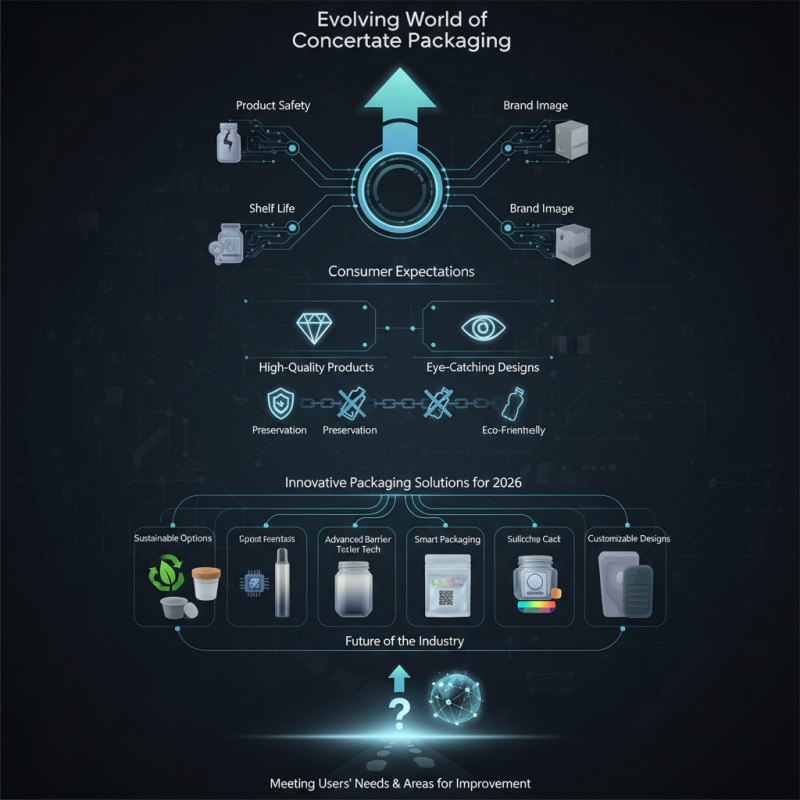
In the evolving world of Concentrate packaging, brands face unique challenges. Choosing the right packaging can impact product safety, shelf life, and brand image. Many companies struggle with finding solutions that meet their specific needs.
Today’s consumers expect high-quality products and eye-catching designs. However, not all concentrate packaging options deliver on these expectations. Some materials may not effectively preserve freshness. Others might not be eco-friendly. These factors necessitate a careful assessment of available choices.
Amidst the rapidly changing market, it’s vital to explore innovative packaging solutions. The choices we make now will shape the future of the industry. Let’s dive into the best concentrate packaging options available for 2026, seeking viable paths that resonate with users' needs while highlighting areas for improvement.
2026 Trends in Concentrate Packaging Solutions for Beverage Industry
As we move into 2026, the beverage industry continues evolving. Concentrate packaging solutions are key to enhancing product appeal. Sustainable packaging is a significant trend this year. Many brands are focusing on recyclable and biodegradable materials. This not only helps the environment but also attracts eco-conscious consumers.
Tips: Consider using minimalistic designs. Simplicity can often draw attention. Labels must be clear and concise. Customers prefer transparency about ingredients.
Another trend is smart packaging technology. Innovations like QR codes are gaining popularity. They enable consumers to access detailed product information easily. However, not all packaging innovations succeed. Some designs may look attractive but fail in practicality. It’s vital to balance aesthetics and functionality.
Tips: Test your packaging with real consumers. Gather feedback to refine your designs. This step is crucial in identifying potential issues early.
Key Materials Used in Sustainable Concentrate Packaging Solutions
When it comes to sustainable concentrate packaging, the materials you choose matter. Many brands opt for biodegradable plastics. These materials can break down naturally, which reduces landfill waste. Another popular choice is recycled paper and cardboard. They are easily compostable and provide good protection for the product inside.
Tips: Always check the certifications of packaging materials. This ensures they meet environmental standards.
Many companies also explore
plant-based alternatives. These options can include corn starch or sugarcane. While they are effective, their sourcing may not always be sustainable.
Finding the right balance is crucial. Tips: Be mindful of the supply chain. It influences the overall sustainability of your packaging.
Exploring
glass containers is another route. Glass is recyclable and often seen as premium. However, it is heavier, which can increase transportation emissions.
Weigh the benefits and downsides carefully. Tips: Consider the lifecycle of your packaging. Think about both its use and disposal stages.
Cost-Effectiveness of Different Concentrate Packaging Formats
When considering concentrate packaging solutions, cost-effectiveness is a major factor. Various formats offer unique benefits and drawbacks. Rigid containers may provide durability but could be more expensive. Flexible pouches, on the other hand, can reduce logistical costs. Each format needs careful consideration based on product type and distribution needs.
Tips: Always evaluate shelf life and storage needs. Some materials may extend freshness at a higher cost. Analyze how much you're willing to invest in packaging versus the potential benefits. It’s worth questioning if all premium materials truly add value to your product.
Sustainability is becoming a priority too. Using eco-friendly materials can attract consumers. Yet, they may come with a higher upfront cost. Every business must weigh the effects on their reputation and finances. Striking the right balance is essential.
2026 Best Concentrate Packaging Solutions for Your Needs? - Cost-Effectiveness of Different Concentrate Packaging Formats
| Packaging Format | Cost per Unit | Material Type | Sustainability Rating | Consumer Preference Score |
| Glass Bottles | $0.50 | Glass | A+ | 85% |
| Plastic Bottles | $0.30 | PET Plastic | B | 70% |
| Aluminum Cans | $0.40 | Aluminum | A | 80% |
| Tetra Packs | $0.45 | Cardboard & Plastic | B+ | 75% |
| Flexible Pouches | $0.25 | Multi-layer Film | C | 60% |
Impact of Packaging Design on Consumer Preferences for Concentrates
Packaging design plays a crucial role in shaping consumer preferences for concentrate products. According to recent industry reports, approximately 70% of consumers make decisions based on packaging appearance. Bright colors and unique shapes catch the eye. However, the trend isn't just about aesthetics; functionality matters too. Eco-friendly materials are increasingly in demand. About 47% of consumers are willing to pay more for sustainable packaging.
Moreover, there are gaps in current packaging offerings. Many designs do not consider ease of use. A complex opening mechanism frustrates consumers, leading to negative brand associations. A survey indicated that 62% of users prefer simple, intuitive packaging. This presents an opportunity for improvement for manufacturers.
Additionally, the messaging on the packaging influences buying behavior. Clear information about product benefits helps consumers connect with the brand. However, cluttered designs can mislead. Up to 39% of shoppers stated that excessive text makes them reluctant to purchase. Balancing creativity with clarity is essential to attract and retain consumers.
Innovations in Concentrate Packaging Technologies and Their Benefits
Innovations in concentrate packaging have transformed how products are delivered and consumed. One significant advancement is the use of biodegradable materials. These alternatives reduce environmental impact and appeal to environmentally conscious consumers. However, not all biodegradable options perform equally. Durability can vary, necessitating further research and testing.
Another notable development involves smart packaging technologies. QR codes and NFC tags can enhance customer engagement, offering additional product information and usage tips. While these innovations are exciting, accessibility can be an issue. Not every consumer has the technology to access this information easily. This gap needs addressing.
Convenience in packaging design is also a growing trend. Easy-to-use dispensers and resealable pouches improve user experience. However, there can be flaws in some designs. Users may find them challenging to handle, leading to waste. Balancing functionality and user-friendliness remains a key challenge in the industry. Addressing these issues can elevate the overall standard of concentrate packaging solutions.