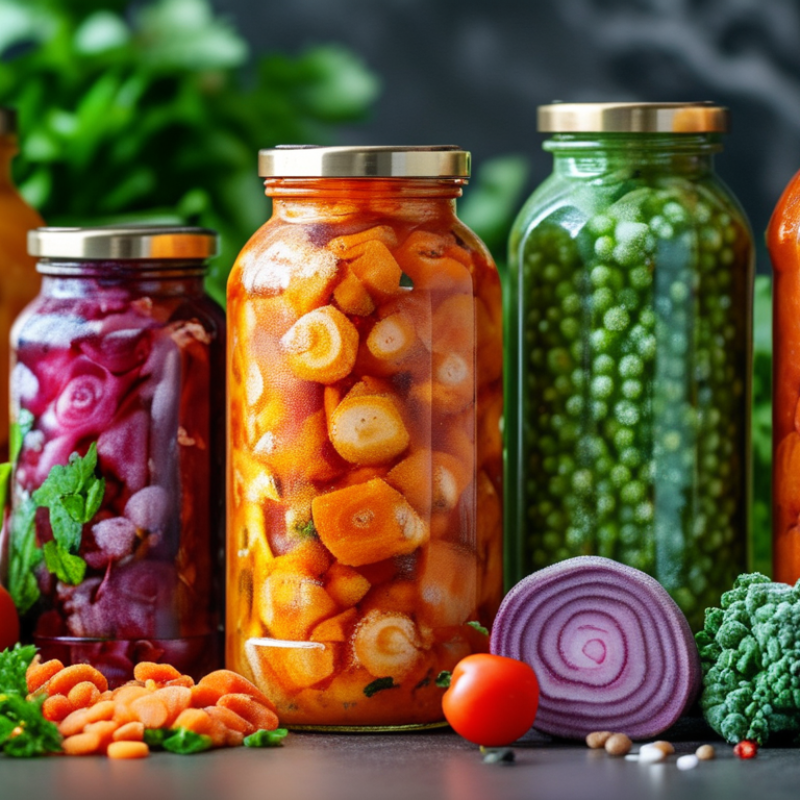
2026 Best Freeze Dried Vegetables for Global Buyers?
In recent years, the demand for Freeze Dried Vegetables has surged. Global buyers seek healthy and convenient food options. These products offer long shelf life without sacrificing nutrition. They maintain flavors and textures that appeal to consumers.
Finding the best options can be challenging. Various brands and qualities are available worldwide. Some may not meet the expected standards. It’s essential to research reputable suppliers to ensure quality. The right choices of Freeze Dried Vegetables can enrich diets and meal preparation.
As we explore the top options for 2026, attention to detail is crucial. Knowing the source and processing methods influences quality. Consumers should consider factors like taste, nutrient retention, and packaging. Despite the growing market, some products may disappoint. Continuous evaluation and feedback can improve future selections.
Overview of Freeze Dried Vegetables and Their Benefits
Freeze-dried vegetables have gained popularity for their impressive shelf life and nutritional value. This preservation method retains essential vitamins, minerals, and flavors. When the moisture is removed, vegetables shrink, making them lighter and easier to store. This process is crucial, especially for long-term food storage.
The benefits of freeze-dried vegetables extend beyond convenience. They can be easily rehydrated, making them ready for use in soups, stews, or side dishes within minutes. They also maintain the vibrant color and taste of fresh vegetables, offering an enjoyable eating experience. For those who prioritize healthy eating, these vegetables provide a rich source of nutrients without additives.
However, there are nuances to consider. Freeze-drying can alter the texture of some vegetables, making them less appealing in certain dishes. Not all vegetables respond equally well to this process, and personal preference plays a significant role. Buyers should explore various options to find the best fit for their culinary needs and taste.
Criteria for Selecting the Best Freeze Dried Vegetables
When selecting the best freeze-dried vegetables, several criteria should be considered. First, look for nutrient retention. Quality freeze-dried vegetables often preserve a high percentage of their vitamins and minerals. This leads to better health benefits when rehydrated. Color can also indicate freshness. Vibrant colors often mean the vegetables were processed shortly after harvest.
Texture is another important factor. The best freeze-dried vegetables should have a crunchy texture when dry, which indicates proper processing. During rehydration, they should regain their original texture, making them pleasant to eat. Pay attention to packaging as well. High-quality packaging helps maintain freshness and provides clear storage instructions.
Another aspect to consider is the sourcing of vegetables. Local or organic sourcing may enhance quality and reduce environmental impact. Additionally, check for any additives or preservatives. Pure freeze-dried vegetables often lead to better health outcomes. A critical reflection on your personal preferences is also needed. Taste and culinary application largely influence your choices.
Top Brands for Freeze Dried Vegetables in 2026
As global demand for freeze-dried vegetables grows, several brands stand out for their quality. These brands prioritize nutritional value, flavor, and shelf life. Many consumers appreciate the convenience these products offer. When you're short on time, freeze-dried vegetables can easily be rehydrated for quick meals.
Quality matters. Some brands focus on sourcing high-quality vegetables from local farms. This approach can enhance flavor and ensure freshness. However, not all freeze-dried vegetables are created equal. Some might lack essential nutrients after processing. It's crucial to read labels carefully. Look for those with minimal additives and preservatives.
While many brands claim to provide superior products, gaining trust is essential. Reviews and customer feedback play an essential role in this industry. Transparency in sourcing and processing practices will help buyers make informed decisions. Not every brand meets these standards, so research is vital.
2026 Best Freeze Dried Vegetables for Global Buyers
| Vegetable | Nutritional Value (per 100g) | Rehydration Time (minutes) | Shelf Life (years) | Packaging Type |
| Carrots | 41 calories, 0.93g protein, 9.58g carbs, 0.24g fat | 15 | 25 | Mylar Bag |
| Peas | 81 calories, 5.4g protein, 14.5g carbs, 0.4g fat | 10 | 24 | Plastic Canister |
| Broccoli | 55 calories, 3.7g protein, 11.2g carbs, 0.6g fat | 20 | 26 | Vacuum Sealed Bag |
| Spinach | 23 calories, 2.9g protein, 3.6g carbs, 0.4g fat | 8 | 24 | Glass Jar |
| Corn | 96 calories, 3.4g protein, 21g carbs, 1.5g fat | 12 | 20 | Foil Pouch |
Global Market Trends for Freeze Dried Vegetables
The global freeze-dried vegetable market is blossoming. In 2022, the market was valued at approximately $2.8 billion. It is projected to grow at a CAGR of 7.5% from 2023 to 2030. This growth reflects rising demand for convenient, nutritious options. More consumers are seeking shelf-stable products. The increase in outdoor activities fuels this trend. Healthy snacking is becoming a priority.
Analysis of market trends shows a diverse array of freeze-dried vegetables gaining popularity. Products like peas, carrots, and spinach have increased in consumption. These vegetables retain nutrients and flavors effectively. According to a report from Grand View Research, North America accounts for over 35% of the market share. This region’s appetite for healthy eating is driving the demand. However, pricing remains a barrier for some consumers.
Challenges persist in sourcing high-quality produce. Not all regions have the same access to optimal crops. The technology involved in freeze-drying is costly. As a result, some suppliers face difficulties maintaining quality. This inconsistency can lead to consumer skepticism. Better education about freeze-dried products may alleviate this concern. There’s a need for transparent supply chains.
2026 Best Freeze Dried Vegetables Market Trends
This bar chart illustrates the projected market trends for various freeze dried vegetables in 2026. The data reflects projected consumption levels across different regions.
Tips for Storing and Using Freeze Dried Vegetables
Freeze-dried vegetables offer a convenient and nutritious option for many. Proper storage and usage are crucial for maintaining their quality. To start, keep these vegetables in a cool, dark place. Light and heat can deteriorate their flavor and nutrients. Use airtight containers to prevent moisture exposure. Remember, moisture is the enemy of long-term storage.
When it comes to using freeze-dried vegetables, rehydration is key. Simply add hot water to the veggies and allow them to soak for a few minutes. This process often revives their texture and taste. Not all vegetables will react the same way. Some may need longer soaking times. Experimenting is essential to find the perfect approach.
It’s worth noting that taste can vary after rehydration. Sometimes, the flavor may not match your expectations. It’s important to adjust your recipes accordingly. Add seasoning or complementary ingredients to enhance the dish. Don't hesitate to try different combinations. This exploration could lead to delightful surprises.