Best Sliding Roller Options for Smooth Movement and Ease?
When it comes to achieving smooth movement, the right sliding roller can make all the difference. These small yet powerful components are essential for various applications. From furniture to industrial machinery, their role is crucial. Choosing the best sliding roller involves understanding different types and their specific features.
Many options exist in the market. Some rollers glide effortlessly, while others may stick or wear out too quickly. You may find that the material composition greatly affects performance. For instance, plastic rollers are lighter but can lack durability compared to metal options.
Think about the weight capacity you need. A sliding roller that can't support the load will lead to frustration. You want a solution that allows ease of movement without overcompartmentalization. Remember, the ideal sliding roller not only optimizes functionality but also enhances efficiency. Reflecting on user experiences can provide insight into what works best for your needs.
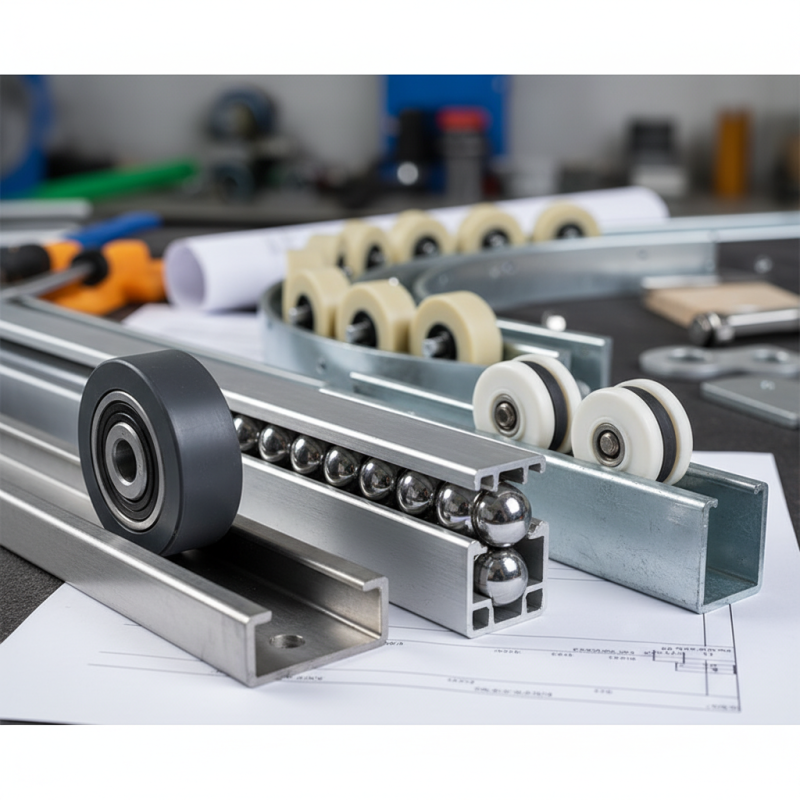
Types of Sliding Rollers for Different Applications
When it comes to sliding rollers, different types suit various applications. For instance, heavy-duty options are perfect for moving large items smoothly. They often feature robust materials to handle weight and friction. On the other hand, light-duty rollers work well for smaller, lightweight objects. These smaller rollers can be used in home DIY projects and small furniture.
Another interesting type is the locking roller. These allow for stability during use. They prevent unwanted movement, providing extra safety for stackable items. However, not all locking mechanisms are flawless. Sometimes, they can jam or fail to engage properly, which may lead to slips or wobbles.
Choosing the right sliding roller requires careful consideration. Think about the surface, weight, and intended use. Not every roller is suitable for every scenario. This might lead to frustration if the wrong type is selected. It’s essential to test and reflect on whether your choice meets your needs effectively.
Best Sliding Roller Options for Smooth Movement and Ease
| Type of Sliding Roller | Material | Load Capacity (lbs) | Application | Pros |
| Plastic Sliding Rollers | Polypropylene | 100 | Lightweight doors | Corrosion-resistant, quiet operation |
| Metal Sliding Rollers | Steel | 500 | Heavy doors | High load capacity, durable |
| Ball Bearing Rollers | Steel with ball bearings | 300 | Sliding doors and gates | Smooth movement, reduced friction |
| Trolley Rollers | Aluminum | 400 | Suspended doors | Easy installation, lightweight |
| Guide Rollers | Nylon | 150 | Drawer systems | Low friction, silent operation |
Key Features to Consider for Smooth Movement
When choosing sliding roller options, certain key features can significantly enhance smooth movement. The design of the rollers plays a crucial role. For instance, a precision-engineered roller bearing can optimize motion. According to industry reports, rollers made from high-quality materials can reduce friction by up to 30%. This reduction is vital for smooth operation.
Another essential feature is the weight capacity of the rollers. Many sliding systems need to support heavy loads. A roller that is not rated correctly can lead to uneven movement. Research indicates that uneven movement can cause wear and tear on the system, sometimes leading to a total failure. Therefore, it is key to ensure rollers match the intended load specifications.
Finally, consider the environment in which the rollers will operate. Extreme temperatures or humidity can affect performance. The right material choice can mitigate these issues. Often, materials meant for outdoor use are more resilient. However, some reports suggest that these materials might be less smooth compared to their indoor counterparts. It’s a trade-off that requires careful consideration.
Top Brands and Their Best Sliding Roller Products
Choosing the right sliding roller can enhance movement efficiency. Many brands dominate this market, each offering unique products that cater to different needs. The sliding roller industry is expected to grow by 8% annually. This rapid rise points to increasing demand for smoother and quieter operation.
Several top brands focus on durability and performance. Their best products often feature high-quality materials, ensuring long-lasting use. Consumers often prioritize rollers with ball-bearing systems. These designs can reduce friction, creating a seamless experience. Industry reports indicate that models with integrated stopping mechanisms are also gaining popularity.
However, not all sliding rollers perform as expected. Some may wear out quickly or not fit specific tracks properly. User reviews often highlight issues related to noise levels and installation ease. These factors can lead to dissatisfaction. Carefully considering the brand and model chosen can prevent future headaches. Always seek feedback and verify claims before making a purchase decision.
Best Sliding Roller Options for Smooth Movement and Ease
Installation Tips for Optimal Performance of Sliding Rollers
When installing sliding rollers, precision is key. Start by measuring the track length accurately. Misalignment can lead to frustration and poor performance. Clean the area thoroughly before installation. Dust and debris hinder smooth movement.
Tip: Ensure that the rollers are level. Use a spirit level to check. An uneven surface can cause uneven wear. Regularly inspect the rollers after installation. Listen for any unusual noises. This could signal a need for adjustments.
Don't overlook lubrication. Applying the right lubricant can make a significant difference in performance. Reapply it periodically. However, resist the temptation to over-lubricate. Excess lubricant can attract dirt and lead to more issues. Maintenance is essential for longevity. Regular checks save time and effort later.
Maintenance Practices to Ensure Longevity and Ease of Movement
Maintaining sliding rollers is essential for optimal performance. Regular cleaning is a critical practice. Dust and dirt can accumulate, slowing movement. Use a damp cloth to wipe the surface. Check the rollers for any signs of wear. Replace if they wobble or do not rotate smoothly.
Lubrication is another key aspect. A light application of grease keeps the rollers moving freely. Be careful not to over-lubricate. Excess grease can attract more dirt. Depending on usage, regular checks should be scheduled. Monthly checks may be necessary for heavy use.
Environmental factors can also affect roller performance. Humidity and temperature fluctuations might lead to issues. Keeping the rollers in a controlled environment helps. Always be proactive instead of reactive. Identify problems before they become significant. Smooth movement requires consistent attention and care.
