What is Breaded Powder and How is it Used in Cooking?
In the culinary world, Breaded Powder plays a crucial role. It enhances textures and flavors in various dishes. A report by the Food and Agriculture Organization indicates that the demand for breaded products has grown by 20% over the last five years. This trend reflects a shift towards more convenient and satisfying meal options.
Breaded Powder is versatile. It can be used for frying, baking, or as a mix for coatings. Many chefs prefer it for its ability to create a crispy exterior. Yet, not all breading techniques yield the same results. Some might struggle with uneven coatings or overdose on flavor. Experimentation is often needed.
The rise of frozen food products has also contributed to Breaded Powder's popularity. Fast and easy meal preparation appeals to busy households. However, it raises questions about food quality and nutrition. People must reflect on their choices. Balancing convenience and health can be challenging, but awareness is key.
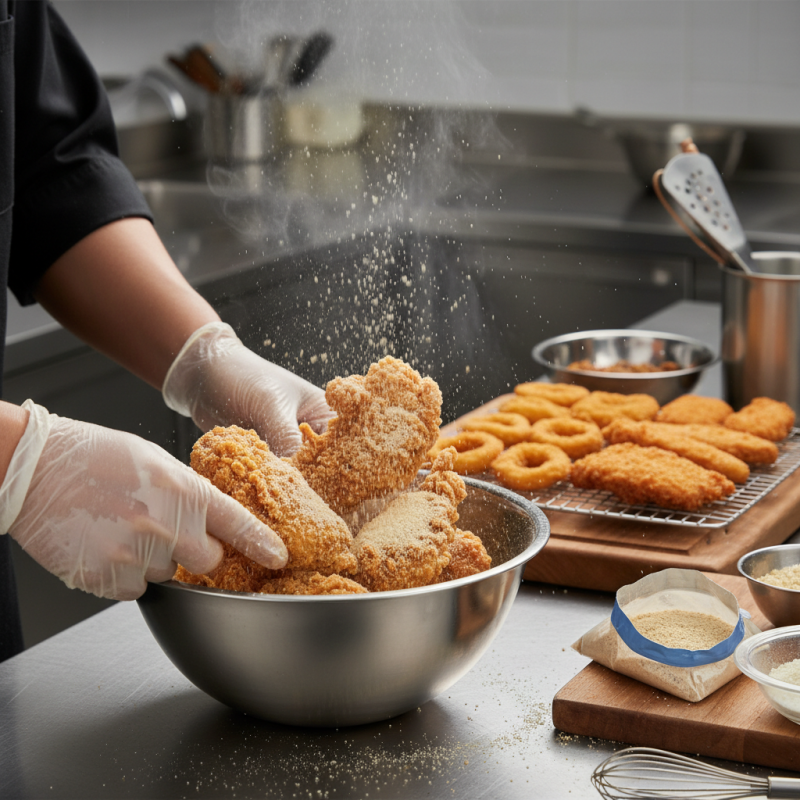
What is Breaded Powder: Definition and Composition
Breaded powder is a versatile ingredient in the culinary world. It consists mainly of fine flour, breadcrumbs, and seasoning. This mixture gives food a delightful crunch and appealing color when cooked. Many dishes, like fried chicken or vegetable fritters, benefit from this coating. Its composition can vary, allowing for creative changes in flavor.
The use of breaded powder is not limited to frying. You can apply it to baking and grilling as well. A thin layer on salmon, for instance, creates a satisfying texture and enhances flavor. Sometimes, the coating can fall off during cooking, altering the intended experience. This requires practice and attention to technique. Adjusting the moisture of the food being coated is critical too; overly wet items can lead to soggy results.
One common mistake is over-seasoning the breaded powder. While it’s tempting to add various spices, simplicity often yields better results. Finding the right balance takes time, and experimentation is key. Breaded powder is not just an ingredient; it’s a creative tool. Embrace the learning process and enjoy the delightful dishes you can create.
Usage of Breaded Powder in Cooking
Types of Breaded Powder Used in Cooking
Breaded powders are versatile ingredients in the culinary world. Various types are used to achieve different textures and flavors. Common types include breadcrumbs, panko, and seasoned flour.
Breadcrumbs are typically made from dried bread. They add crunch to dishes like meatballs and casseroles. A report from the Food Marketing Institute indicates that the demand for breadcrumbs in the U.S. is growing, with a significant rise of about 5% annually. This rise suggests that consumers are looking for quick meal solutions.
Panko, a Japanese-style breadcrumb, is lighter and flakier than traditional breadcrumbs. It absorbs less oil, making it ideal for a healthier frying method. Many chefs note that panko provides a superior crunch to fried foods. Seasoned flour is another popular option. Chefs often blend various spices into their flour. This mixture can elevate simple dishes. However, the balance of spices requires careful consideration. Too much seasoning can overwhelm the dish. Industry experts recommend experimenting cautiously with flavors to find the right blend. The right choice can turn a basic meal into something extraordinary.
Common Dishes That Incorporate Breaded Powder
Breaded powder is a versatile ingredient in cooking. It's commonly used to create a crispy coating. Many dishes rely on this texture to elevate flavors and presentation. Some popular choices include fried chicken, breaded fish, and crispy eggplant. Each dish benefits from that golden, crunchy exterior.
When using breaded powder, consider the technique. For instance, ensure your protein is dry before applying the coating. This will help the breading stick better. A light dusting of flour can also improve adhesion. Another tip is to let the coated food rest for a few minutes before frying. This helps to firm up the breading and creates a crunchier finish.
Different cuisines utilize this technique uniquely. In Italian cooking, breadcrumbs might be seasoned with herbs for added flavor. Japanese cuisine often uses panko for a lighter, airier texture. You can experiment with spices in your breading mixture. However, be careful not to over-season. A subtle balance is key to enhancing the main ingredient. Consider these tips to create deliciously crispy dishes every time.
Techniques for Applying Breaded Powder in Cooking
Breaded powder is a versatile ingredient in cooking, commonly used to enhance texture and flavor in various dishes. Techniques for applying breaded powder can significantly influence the outcome of your meals. One common method is the double-dipping technique, where the food is first coated in flour, then dipped into an egg wash, and finally covered in the breaded powder. This method ensures a thicker, crunchier crust. According to a recent culinary industry report, the demand for breaded products in North America is expected to grow by 8% by 2025, highlighting its popularity.
Another technique involves seasoning the breaded powder itself. Adding herbs or spices can elevate the overall taste. Interestingly, a study indicated that 30% of consumers prefer seasoned coatings for enhanced flavor. However, it’s crucial to balance the seasoning; too much can overwhelm the dish. Moreover, ensuring the breaded powder adheres well can be challenging. If the food is not adequately moist or the breaded powder too fine, it may fall off during cooking, leading to disappointing results.
Experimenting with thickness can also lead to different textures. A thicker layer might provide a more satisfying crunch, while a thinner layer can result in a more delicate mouthfeel. Each choice comes with its own set of advantages and drawbacks. Ultimately, using breaded powder requires practice and a willingness to adjust techniques based on individual preferences and outcomes.
Tips for Perfecting Breaded Dishes
Breaded dishes can be a delightful addition to any meal. The key to achieving the perfect crust lies in a few essential tips. Start with dry ingredients. Make sure your meat or vegetables are moisture-free. This helps the breading adhere better.
Next, don’t rush the process. Take your time when coating the food. Dip it first in flour, then egg, and finally in breadcrumbs. Press firmly to ensure an even layer. A thick coating can lead to a soggy result if not done right. Use fresh breadcrumbs for a lighter texture. Old breadcrumbs may absorb too much oil, resulting in a greasy finish.
Lastly, remember the importance of temperature. Frying at the right heat ensures a crispy exterior without burning. If the oil is too hot, the breading will brown quickly, and the inside remains raw. If it's too low, the food will absorb excess oil. Use a thermometer if needed. Keep experimenting, and don’t be afraid to make adjustments as you go. It's all part of the cooking journey.
