How to Buy Agricultural Castings for Your Farm Needs?
When considering the needs of a farm, purchasing Agricultural Castings is a crucial decision. These castings play a significant role in enhancing productivity and efficiency across various agricultural applications. According to industry reports, the market for agricultural materials, including castings, is projected to reach $17 billion by 2025, indicating a growing demand.
Purchasing high-quality Agricultural Castings can directly impact crop yield and soil health. However, choosing the right type often poses challenges. Farmers must reflect on their specific needs, whether it’s durability, soil compatibility, or environmental impact. Data from agricultural studies suggests that poor quality castings can lead to suboptimal results, potentially costing farmers both time and money.
Investing in the right Agricultural Castings requires thorough research and expert consultation. Engaging with industry professionals can help navigate the complexities of material selection. Yet, it’s essential to consider that even with expert advice, individual circumstances may vary. Hence, continuous learning and adaptation in this process are vital for long-term success in farming endeavors.
Understanding Agricultural Castings and Their Importance for Farms
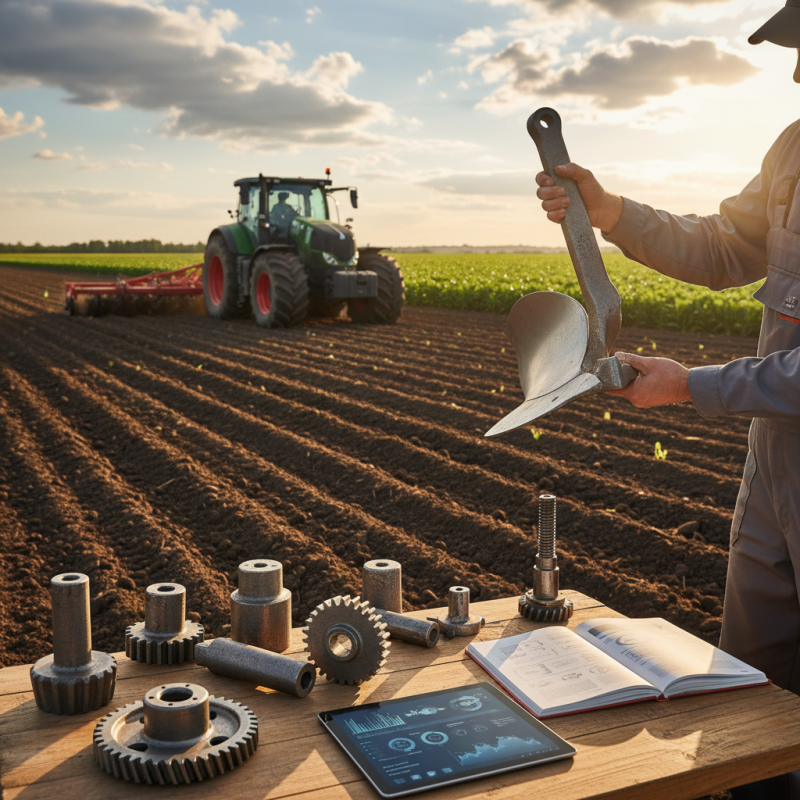
Agricultural castings play a critical role in modern farming. These products include items such as plowshares, discs, and various hardware components. Each casting must be strong enough to withstand heavy use. They often encounter tough soil conditions and must endure significant wear and tear. Understanding their materials is essential. Castings are generally made from iron or steel, providing durability.
Farmers should evaluate these castings based on their specific needs. Consider factors like soil type and the type of crops grown. Different farms require different functionalities from their equipment. Some might need greater strength for rocky soils, while others may prioritize lightness for sandy terrains. This assessment requires careful thought and sometimes trial and error.
While sourcing agricultural castings, transparency is vital. Reliable suppliers should provide detailed specifications and usage guidelines. Look for reviews or testimonies from other farmers to gain insights into performance. Quality control standards should be established, but imperfections may still arise. Regular maintenance can help extend the life of these components, ensuring they meet farm demands effectively.
Identifying the Types of Agricultural Castings Suitable for Your Needs
When selecting agricultural castings for your farm needs, understanding the types available is crucial. There are several varieties, each suited for different purposes. For example, general-purpose castings are versatile and widely used. They work well for various crops and soil types. On the other hand, specialized castings may be required for certain plants or specific soil conditions. Knowing the differences can enhance your yield and soil health.
Familiarize yourself with organic and synthetic options. Organic castings often improve soil structure and promote beneficial microbial activity. They can be a great choice if you aim for sustainable farming. In contrast, synthetic castings are often more readily available and can provide quick results. However, they may not support long-term soil health as effectively.
Consider your farm environment. Not all castings perform well in every condition. Factors like climate, soil type, and water availability affect casting effectiveness. You might find that trial and error is part of the process. It’s essential to reflect on past decisions. What worked? What didn’t? This reflection can guide you in making better choices in the future.
Evaluating Quality Standards and Specifications in Agricultural Castings
When purchasing agricultural castings, quality is paramount. Evaluate the specific standards that pertain to your needs. Look for castings that meet industry specifications. These standards can include material composition, dimensions, and manufacturing processes. Recognizing these details can prevent future issues in your farming practices.
Test the castings whenever possible. Inspect for visual flaws like cracks or uneven surfaces. These imperfections can compromise performance. Consider the operational conditions of your farm when making decisions. Not all castings are equal; some may be better suited for certain environments. It’s important to know what you need.
Seek guidance from knowledgeable sources. This could be experienced farmers or agricultural professionals. Their insights can lead you to better choices. Trust your instincts and listen to your experiences. Mistakes in selecting castings can be costly, so be observant and informed. An informed choice can enhance your farm’s efficiency and productivity.
Cost Analysis: Budgeting for Agricultural Castings Investments
Investing in agricultural castings is crucial for improving farm productivity. Understanding costs is a significant part of this decision. According to the Agricultural Equipment Manufacturers Association, the initial investment in castings can range from $500 to $5,000, based on complexity and materials. This wide range highlights the need for careful budgeting. Farmers should assess their specific needs and the expected return on investment.
A detailed cost analysis should include not only the purchase price but also maintenance. Reports from the USDA indicate that proper maintenance can reduce long-term costs by up to 30%. If you overlook this, you might face higher replacement costs later. Additionally, unexpected repairs can disrupt operations, leading to further financial strain.
Consider potential savings through bulk buying or local sourcing. Research shows that purchasing in bulk can lower costs by 10-15%. This option can be appealing, but make sure to evaluate your storage capacity and cash flow. Each of these factors requires reflection and adjustment to align with your farm’s financial goals.
How to Buy Agricultural Castings for Your Farm Needs? - Cost Analysis: Budgeting for Agricultural Castings Investments
| Casting Type | Material | Average Cost ($) | Durability (Years) | Application |
| Iron Castings | Gray Iron | 250 | 15 | Tractors and Equipment |
| Aluminum Castings | Aluminum Alloy | 300 | 20 | Irrigation Systems |
| Bronze Castings | Bronze Alloy | 500 | 25 | Fittings and Valves |
| Zinc Castings | Zinc Alloy | 150 | 10 | Small Hardware |
| Steel Castings | Carbon Steel | 400 | 30 | Machinery Components |
Finding Reliable Suppliers and Manufacturers for Agricultural Castings
When looking for agricultural castings, finding reliable suppliers is crucial. Start by seeking recommendations from fellow farmers. Their experiences can guide you toward trustworthy sources. Online research is helpful too. Look for manufacturers that specialize in agricultural equipment and castings. Pay attention to their customer reviews and ratings.
Once you identify potential suppliers, evaluate their expertise. A good supplier should understand the specific needs of agriculture. Don’t hesitate to ask questions about their casting processes and materials. Reliable manufacturers often provide detailed information, showcasing their knowledge and experience.
Consider visiting their facilities if possible. This allows you to assess their production standards firsthand. Observe the quality of their products. It's essential to reflect on the long-term relationships you build with these suppliers. A solid partnership can greatly enhance your farming operations.
