Why Choose LPG Storage Tanks for Your Business Needs?
In an evolving industrial landscape, the choice of an LPG Storage Tank can significantly impact operational efficiency. According to a report by Technavio, the LPG storage tank market is anticipated to grow by 2.6% annually from 2021 to 2025. This growth underscores the increasing demand for safe and efficient energy storage solutions.
Selecting the right LPG Storage Tank is not just about storage; it's about integrating safety and performance into daily business operations. Many businesses overlook the importance of choosing quality materials, resulting in frequent maintenance issues. Statistics suggest that improper tank selections lead to 30% more accidents and leaks. Thus, businesses face increased risks and costs.
The decision-making process can feel overwhelming. It's essential to evaluate tank materials, size, and compliance with local regulations. Companies must ask themselves if they are making informed choices. With the right LPG Storage Tank, businesses can enhance safety, minimize costs, and ensure compliance. However, careful consideration is necessary to avoid potentially hazardous outcomes.
Benefits of Using LPG Storage Tanks for Industries
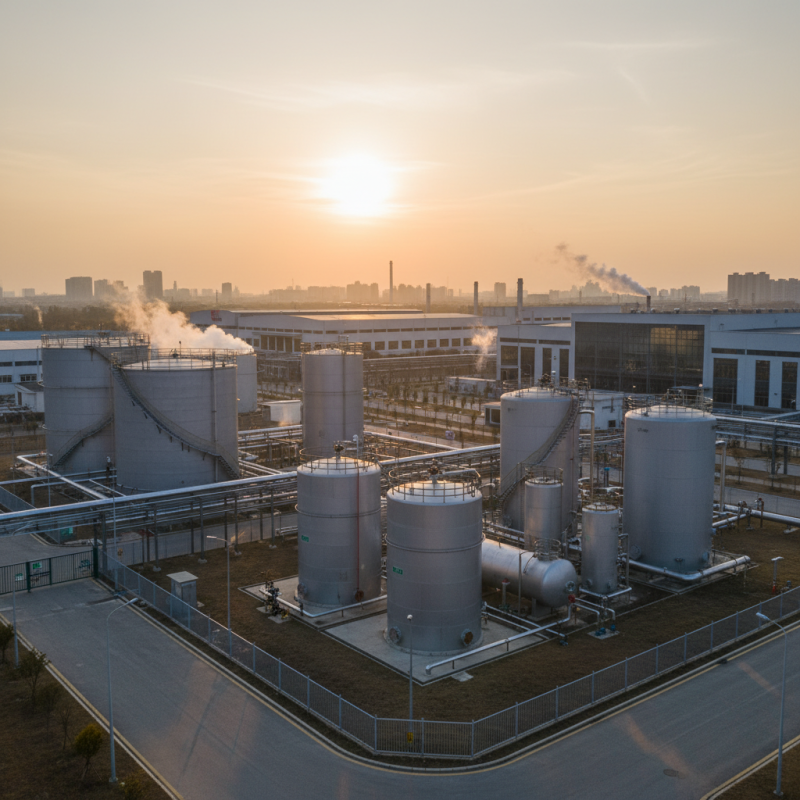
LPG storage tanks offer various advantages for industries seeking efficient energy solutions. These tanks store liquefied petroleum gas, ensuring a steady and reliable fuel supply. Many factories rely on LPG for heating, cooking, and industrial processes. The compact design of these tanks allows for easy installation in limited spaces.
One major benefit is cost-effectiveness. LPG is often cheaper than other fuel types. Businesses can save money on energy bills, leading to improved profit margins. Furthermore, LPG burns cleanly, resulting in fewer emissions. This can enhance a company’s green credentials, which is crucial in today’s eco-conscious market.
**Tip:** Regular maintenance of LPG tanks is essential. It ensures safety and longevity. Inspecting tanks can prevent leaks or other issues. Create a maintenance schedule and stick to it. This helps avoid unforeseen costs later on.
Another point to consider is safety training. Employees must understand how to handle LPG properly. Accidents can occur if proper precautions are not taken. Providing ongoing training keeps everyone aware of potential risks.
**Tip:** Use clear signage around storage areas. This reminds employees of safety protocols. Keeping safety at the forefront of operations protects both workers and equipment.
Key Features of LPG Storage Tanks to Consider
LPG storage tanks come with several key features that make them ideal for various businesses. One significant aspect is their structural integrity. Many tanks are designed to meet stringent industry standards. They often use high-grade materials that resist corrosion and withstand external elements. Data indicates that tanks built with advanced materials have a lifespan of over 30 years.
Another vital feature is the safety mechanisms integrated into LPG storage tanks. Safety valves and pressure relief systems are common, ensuring safe operation under various conditions. In fact, reports show that businesses using these tanks experience a 40% reduction in safety-related incidents. Proper training and knowledge about these safety features can greatly enhance operational safety.
Capacity customization is also essential. Different businesses require different tank sizes, and many manufacturers offer tailored solutions. Small-scale operations might opt for compact models. In contrast, larger facilities might need tanks that can hold thousands of liters. Choosing the right size influences not just space management but also operational efficiency. It’s worth reflecting on how appropriate sizing can optimize costs and improve the storage setup.
Comparative Analysis: LPG vs. Other Fuel Storage Options
When comparing LPG storage tanks to other fuel storage options, efficiency stands out. LPG is a highly efficient energy source. Its energy density is significantly higher than that of many alternatives, such as gasoline or diesel. This means businesses can store more energy in a smaller space. Additionally, LPG tanks are designed to withstand various environmental conditions, ensuring safety and longevity.
Another critical aspect to consider is the environmental impact. LPG emits fewer pollutants than traditional fuels. This is vital for businesses looking to reduce their carbon footprint. However, it’s important to reflect on the initial costs. While LPG systems can save money in the long run, the upfront investment may be daunting for some. It's essential to evaluate whether the benefits outweigh these costs.
Moreover, the versatility of LPG is notable. It can power multiple systems, from heating to powering vehicles. But, not every operation requires this flexibility. Some businesses might find alternatives more suitable for their specific needs. It’s crucial to weigh the options carefully before making a decision. Choosing the right fuel storage is impactful for operational efficiency and sustainability.
Safety Measures and Regulations for LPG Storage
When considering LPG storage tanks, safety measures and regulations are paramount. LPG, or liquefied petroleum gas, is highly flammable. Proper storage is crucial to prevent accidents. Tanks must be built to high safety standards. Regular inspections are key to ensuring compliance with local regulations.
Safety features include pressure relief valves and leak detection systems. These systems help mitigate risks. However, not all facilities prioritize regular maintenance. This oversight can lead to dangerous situations. Personnel must be trained to handle LPG safely. Awareness of safety protocols is essential.
Additionally, regulations often require safety drills and emergency response plans. While many businesses adhere, some neglect these practices. Employees should be aware of where the emergency equipment is located. Not every team is familiar with evacuation procedures, which is concerning. Continuous training and improvement are vital for fostering a safer environment.
Cost-Effectiveness of LPG Storage Tanks for Businesses
LPG storage tanks can significantly reduce costs for businesses. They provide a centralized way to store gas, optimizing usage. With larger quantities stored, businesses can buy in bulk, leading to lower prices per unit. This can result in substantial savings over time, especially for companies with high energy demands.
Moreover, maintenance of LPG tanks is often simpler and more affordable than other fuel storage options. Regular inspections can prevent leaks and ensure safety. However, implementing effective safety measures is crucial. Neglecting these can lead to costly accidents, which businesses should avoid.
Using LPG also enhances operational efficiency. Many industries rely on precise heating and energy output. LPG tanks deliver consistent energy, minimizing downtime. Still, businesses must evaluate their specific needs. While costs may be lower, initial investment in tanks can be high. Balancing upfront costs with long-term savings requires careful consideration.
Cost-Effectiveness of LPG Storage Tanks for Businesses
