How to Choose the Best Squeeze Puree for Your Business?
Choosing the right squeeze puree for your business can feel overwhelming. With so many options available, it’s crucial to understand what makes one product superior to another. Squeeze purees are versatile and can enhance your offerings, but not all are created equal. Quality matters, and consumers notice.
When evaluating squeeze purees, consider the ingredients and sourcing. Natural components are preferable. They provide not only better flavor but also meet modern health standards. However, many brands may claim to be all-natural, yet lack transparency. This can lead to uncertainty in quality.
Look for suppliers with experience and a solid reputation. Authentic reviews and case studies are valuable resources. They can reveal insights into consistency and customer satisfaction. Reflecting on your needs, think about what flavors will resonate with your target market. Balancing quality and cost is challenging but necessary. Engaging with the right squeeze puree can elevate your business.
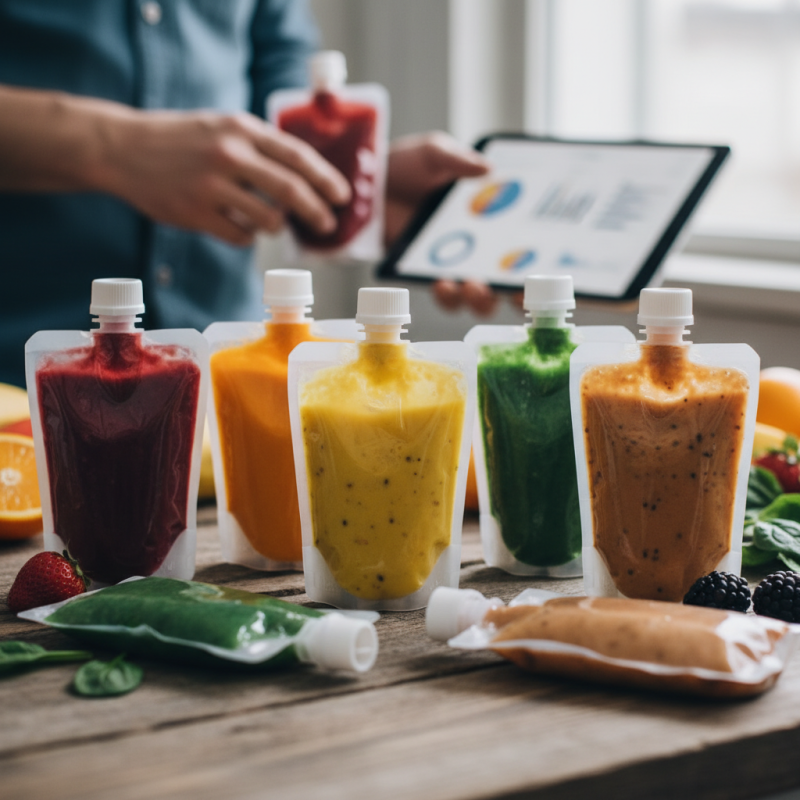
Understanding the Different Types of Squeeze Purees Available in the Market
When considering squeeze purees for your business, it’s vital to understand the various types available. In recent years, the demand for squeeze purees has surged, driven by a focus on convenience and health. According to a report by Grand View Research, the global squeeze puree market is expected to reach USD 1.6 billion by 2026. This growth reflects increasing consumer preferences for ready-to-use, nutritious options.
There are primarily three types of squeeze purees: fruit, vegetable, and mixed blends. Fruit purees often feature vibrant colors and natural sweetness. They cater to customers seeking healthier alternatives to sugary snacks. Vegetable purees offer a savory option packed with nutrients. These often appeal to health-conscious consumers, although some may hesitate due to unfamiliar flavors. Mixed blends combine the benefits of both, creating unique offerings. However, balancing taste and nutrition in these blends can be challenging.
When selecting the right type of puree, businesses must assess their target market. Preferences can vary widely based on demographics. Understanding customer needs will help narrow down choices. Analyzing sales data can provide insight into what types resonate best with consumers. Engaging with suppliers may also reveal emerging trends in flavor and texture. These considerations are essential for making informed decisions in a competitive market.
Key Nutritional Benefits of Squeeze Purees for Food Service Businesses
Squeeze purees offer numerous nutritional benefits for food service businesses. They are convenient and easy to use, making meal prep faster. These purees retain the essence of fresh fruits and vegetables. Packed with vitamins, minerals, and antioxidants, they support health-conscious menus. Many chefs appreciate their vibrant flavors and versatile applications.
Moreover, squeeze purees can reduce food waste. Businesses can use surplus fruits and vegetables without compromising quality. This approach can lead to sustainable practices that appeal to environmentally focused customers. However, it’s essential to choose purees without added sugars or preservatives. Such options may undermine the health benefits.
Incorporating squeeze purees into recipes can enhance texture and flavor. Yet, chefs must experiment to find the right combinations. The balance of sweetness and acidity can be challenging. Finding reliable suppliers is crucial as well. The choice of puree can affect not only taste but also customer satisfaction. Adjusting recipes to include these products may take time but can yield excellent results.
Evaluating Quality: What to Look for in Squeeze Puree Ingredients
Choosing the right squeeze puree for your business hinges on ingredient quality. Consumers increasingly prefer natural products. According to a 2021 report by Food Industry Examiners, 78% of customers consider ingredient transparency essential. This statistic emphasizes the need for businesses to source high-quality components.
When evaluating squeeze puree, check for real fruit content. The best options list whole fruits as primary ingredients. Avoid products with artificial flavors. These can undermine quality and trust. A recent survey found that 65% of customers avoid brands that use synthetic additives.
Texture is another critical factor. Ideal squeeze purees should be smooth, yet not overly processed. Some products can be too thin or too thick. Testing various consistencies helps identify the right balance. Inconsistent quality can lead to negative customer feedback. Achieving the right texture requires attention to both ingredient selection and processing methods. Achieving high standards in these areas may demand extra effort but pays off in customer satisfaction.
Assessing Cost-Effectiveness and Profit Margins of Squeeze Purees
When assessing the cost-effectiveness of squeeze purees for your business, consider various factors. Material costs fluctuate based on seasonality and availability. Fresh produce often carries a premium price. However, sourcing locally can reduce transportation expenses and enhance flavor. Engaging with local farmers might yield better pricing and fresher ingredients.
Next, analyze the profit margins. Calculate the cost per unit and establish a pricing strategy that appeals to your target market. High-quality purees can command higher prices. Yet, consumers increasingly seek value. Balancing quality and cost is crucial.
Monitor consumer preferences continuously. Trends shift quickly, impacting demand and pricing. Test different recipes and packaging options. Sometimes, less popular purees might offer better margins than expected. Remain flexible and open to adjustment.
Cost-Effectiveness and Profit Margins of Squeeze Purees
Consumer Preferences: Trends Influencing Squeeze Puree Selection in 2023
In 2023, consumer preferences for squeeze purees are shaped by several trends. Health consciousness is at the forefront. A report from the Food Industry Association highlights that 74% of consumers prioritize nutritious ingredients. This shift towards healthier options drives demand for natural and organic products. Many businesses feel pressured to adapt.
Sustainability is another critical factor influencing selection. According to a survey by Nielsen, 66% of consumers prefer brands with environmentally friendly practices. This includes sustainable sourcing and minimal packaging. Brands that prioritize eco-consciousness attract loyal customers. However, some companies struggle to balance sustainability and cost-effectiveness, which may lead to missed opportunities.
Flavor variety also plays a significant role. Consumer palate is evolving, with an increase in interest for exotic and unique flavors. Data from MarketResearch.com suggests that 55% of consumers want innovative options beyond traditional fruit blends. This trend reveals a challenge for businesses to keep their product lines fresh and appealing. Experimentation in flavors can be risky but essential for long-term success.
How to Choose the Best Squeeze Puree for Your Business? - Consumer Preferences: Trends Influencing Squeeze Puree Selection in 2023
| Aspect | Trend | Consumer Preference (%) |
| Organic Ingredients | Growing demand for organic and sustainably sourced options. | 65% |
| Low Sugar Content | Increased focus on low-sugar and no-added-sugar products. | 58% |
| Gluten-Free Options | Rising interest in gluten-free products among consumers. | 52% |
| Variety of Flavors | Consumers seeking diverse flavor options in purees. | 70% |
| Convenience Packaging | Preference for easy-to-use, portable packaging. | 75% |
| Nutritional Value | Consumers looking for products with added vitamins and minerals. | 60% |
