How to Choose the Best Stainless Steel Casting Supplier?
Selecting the right stainless steel casting supplier is crucial for businesses aiming for high-quality products. The global stainless steel casting market was valued at approximately $16.4 billion in 2020 and is anticipated to grow significantly. This growth highlights the increasing demand for durable and reliable components across various industries.
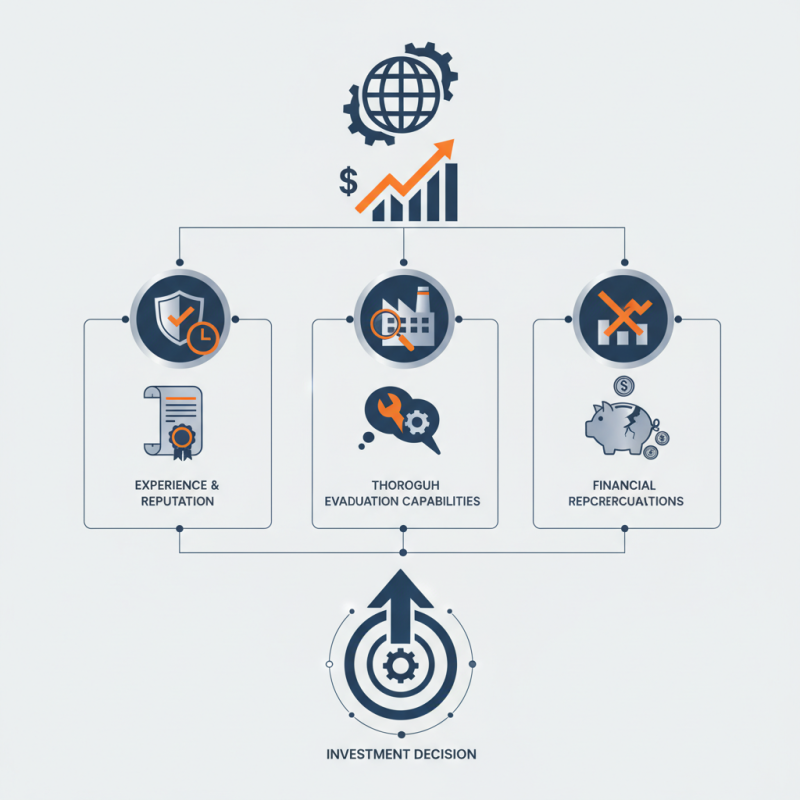
When choosing a supplier, consider their experience and reputation in stainless steel casting. A supplier with a proven track record often provides better quality assurance. Attention to certification and compliance with industry standards cannot be overlooked. According to industry reports, quality-related costs can range from 10% to 30% of total revenue for manufacturers. Choosing the wrong supplier could lead to substantial financial repercussions.
However, not all suppliers are created equal. While some may appear competent, their actual capabilities can vary greatly. Companies should conduct thorough evaluations to ensure reliability. By analyzing case studies, client testimonials, and production capabilities, one can avoid costly mistakes. Selecting a supplier is an investment decision, and every detail matters.
Understanding Stainless Steel Casting Types and Applications
When choosing a stainless steel casting supplier, it’s essential to understand the various types of stainless steel castings and their applications. Stainless steel castings are categorized mainly into austenitic, ferritic, and martensitic grades. The austenitic type is most common, renowned for its excellent corrosion resistance and ductility, often used in food processing and chemical industries. According to the American Foundry Society, nearly 65% of all stainless steel castings fall under this category due to their versatility.
Ferritic castings, while less commonly used, offer good corrosion resistance, especially in mildly corrosive environments. Their application spans automotive components and industrial equipment. Conversely, martensitic stainless steel is used for parts requiring high strength and wear resistance, often seen in pump components and valves. The foundry world is shifting towards producing more customized castings to meet specific industry needs, which can complicate the selection process of suppliers.
A recent industry report highlighted that almost 40% of manufacturers reported issues with casting defects. Such defects may lead to unexpected delays and increased costs. Therefore, knowing the type of stainless steel required and its specific application helps in shortlisting potential suppliers. This understanding can prevent miscommunication and enhance collaboration to deliver quality products.
Key Criteria for Evaluating Stainless Steel Casting Suppliers
Choosing the right stainless steel casting supplier requires careful evaluation. First, assess their experience in the industry. A seasoned supplier often has a proven track record. Look for those who showcase successful projects similar to yours. This signals their ability to meet your specific needs.
Quality control measures are crucial. Investigate their inspection processes and certifications. A supplier committed to quality often adheres to international standards. This includes detailed testing of materials and finished products. Don’t hesitate to ask for documentation that verifies their quality assurance practices.
Tips: Consider visiting the supplier's facility. Seeing their operations firsthand can provide insights into their capabilities. Another critical factor is communication. A reliable supplier should be responsive and transparent. If you feel doubts during initial discussions, reflect on whether this partnership aligns with your expectations.
How to Choose the Best Stainless Steel Casting Supplier? - Key Criteria for Evaluating Stainless Steel Casting Suppliers
| Criteria | Description | Importance (1-5) | Current Rating (1-5) |
| Quality Control | Assessment of supplier's quality management processes and certifications. | 5 | 4 |
| Experience | Years of operation and expertise in stainless steel casting. | 4 | 3 |
| Technical Support | Availability of engineering support for design and troubleshooting. | 4 | 5 |
| Lead Time | Timeframes for production and delivery of castings. | 4 | 3 |
| Pricing | Competitiveness of pricing in relation to industry standards. | 3 | 4 |
| Customer Reviews | Feedback from previous clients regarding their satisfaction. | 5 | 4 |
Assessing Supplier Experience and Reputation in the Industry
When choosing a stainless steel casting supplier, assessing their experience is crucial. A supplier with years in the industry often indicates reliability. Look for evidence of their projects and client testimonials. If they’ve worked on diverse applications, they likely understand various needs. This experience can ensure they handle your specific requirements effectively.
Additionally, a reputable supplier often has established relationships with their customers. Check their online presence; a strong portfolio and positive reviews are good signs. Don't hesitate to ask for references from previous clients. Engaging with them can reveal insights into the supplier's reliability and quality of work. This feedback can be informative but expect some variability. Each client's experience may differ based on specific projects.
Finally, consider the supplier's adaptability. The best suppliers stay updated with industry trends. They should be willing to adjust their processes and technologies to meet evolving market demands. If a supplier is stagnant, it may be a red flag. A dynamic supplier shows commitment to improvement and evolution. This quality is essential for maintaining high standards in casting.
Evaluating Quality Control Measures and Certifications
When selecting a stainless steel casting supplier, evaluating quality control measures is crucial. High-quality stainless steel should meet rigorous standards. A report by the American Society for Testing and Materials (ASTM) indicates that at least 80% of manufacturers follow ASTM standards for material properties. This ensures reliability in performance.
Certifications play a significant role in assessing a supplier's credibility. ISO 9001 is a common certification. It confirms a supplier's commitment to quality management systems. However, a 2022 industry survey revealed that only 65% of manufacturers hold any quality certification. This gap raises questions about the standards some suppliers uphold.
Moreover, companies should request information on specific quality control processes. Procedures like non-destructive testing (NDT) and first article inspection (FAI) are essential. Yet, many suppliers might not fully disclose their methodologies. A lack of transparency can be a red flag. Potential clients should be diligent in asking about these practices and understanding their importance in ensuring product durability.
Comparing Pricing and Lead Times Among Different Suppliers
When comparing pricing and lead times among stainless steel casting suppliers, it’s critical to analyze the factors affecting both. Industry reports indicate that lead times can vary significantly. Some suppliers quote lead times of two to six weeks, while others stretch beyond eight weeks. A longer lead time may suggest better quality control practices, but it can also delay your production schedule.
Cost is another essential factor. Recent studies show that the average price for stainless steel castings ranges from $5 to $15 per pound, depending on complexity and volume. Cheaper options might be tempting, but they can compromise quality. According to data, over 30% of companies experienced quality issues due to low-cost suppliers. Evaluating costs alongside quality is necessary for a balanced decision.
It’s also essential to consider communication and reliability. Some suppliers may provide low prices but lack responsiveness. A reliable supplier should offer transparency on pricing structures and provide updates on lead times. Engaging with other businesses for feedback can offer insights into supplier performance. Aim for a supplier who demonstrates both cost-effectiveness and reliability. Implementing these practices can help in finding a partner that aligns with your production needs.
