
7 Tips for Choosing the Best LED Silicone Face Mask
Choosing the right Led Silicone Face Mask can feel surprisingly confusing. Dozens of models promise brighter skin, fewer lines, and a calmer complexion. Yet glowing advertisements cannot replace sound evidence or practical testing. The best mask should fit comfortably, deliver consistent light, and match your realistic skincare goals.
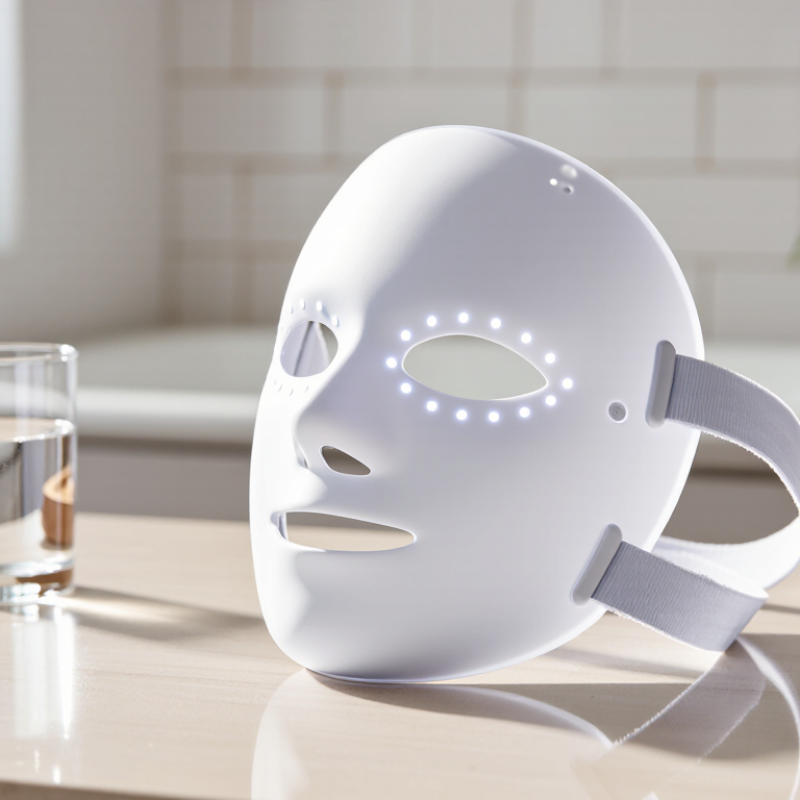
Dermatologist Dr. Dennis Gross says, “LED light therapy is a safe and effective way to rejuvenate the skin.” His statement highlights an important point: LED treatment supports a routine, but it does not replace professional care. Before buying, check the device’s wavelength information, treatment schedule, eye protection, battery life, and return policy. A flexible silicone design should rest evenly across the cheeks, nose, and forehead without pressing painfully against the skin. Small details matter. A heavy mask may stay unused in a bathroom drawer.
These seven tips examine performance beyond attractive packaging. They consider red and near-infrared light, comfort, cleaning, session length, safety guidance, and product credibility. Look for clear instructions, transparent testing information, and realistic claims. Be cautious when a brand promises instant results. Skin rarely changes overnight. I have to admit that convenience can influence a decision more than clinical evidence; that is not always wise. A mask with excellent specifications still fails if its straps slip or its charging system frustrates you. Compare independent reviews, consult a qualified dermatologist when necessary, and give your skin time to respond. The right Led Silicone Face Mask should feel like a manageable habit, not a risky experiment.
Define Treatment Goals: Acne, Wrinkles, Pigmentation, or Redness
Choosing an LED silicone face mask starts with a clear treatment goal. A vague goal can lead to unrealistic expectations. Write down the main concern: acne, wrinkles, pigmentation, or redness.
For acne, look for clearly stated blue-light specifications and safety guidance. Blue light may help reduce acne-related bacteria, but it will not replace prescribed treatment. Red light may support a calmer appearance and gradual skin recovery. For wrinkles, check whether the device provides red or near-infrared light, along with tested energy settings. Results usually require consistent use over several weeks. The mirror may show subtle changes, not dramatic overnight results.
Pigmentation needs extra caution. Light-based treatments may not address every type of discoloration, and irritation can sometimes make uneven tone look worse. Daily broad-spectrum sunscreen remains essential. For redness, choose a mask with comfortable coverage and adjustable intensity. Avoid using it over actively irritated or broken skin. Follow the instructions closely, even when the session feels gentle.
A useful selection habit is checking wavelength data, treatment duration, eye protection, and independent safety information. Clear instructions suggest responsible design. Medical guidance is sensible when acne is painful, pigmentation changes quickly, or redness persists. I would also question impressive before-and-after photos. Lighting, camera settings, and skin preparation can distort results. My own expectation would stay modest: a mask may support a routine, but it cannot diagnose the cause of a skin problem. Safety matters more than extra features.
7 Tips for Choosing the Best LED Silicone Face Mask
| No. | Selection Tip | Primary Treatment Goal | Useful Light Range | What to Look For | Realistic Considerations |
|---|---|---|---|---|---|
| 1 | Match the wavelength to the concern | Acne, wrinkles, pigmentation, or redness | Blue: approximately 405–430 nm Red: approximately 620–660 nm Near-infrared: approximately 810–850 nm | A clearly stated wavelength rather than only “7-color” or “full-spectrum” marketing | Blue light is commonly selected for acne-related bacteria; red and near-infrared light are generally used for skin-repair and photoaging goals. |
| 2 | Choose the right combination for acne | Mild inflammatory acne and occasional breakouts | Blue light around 405–430 nm, often paired with red light around 630–660 nm | Independent blue and red-light controls, full-face coverage, and eye protection | LED therapy may support acne care but does not replace treatment for severe, cystic, or scarring acne. Avoid using it over photosensitizing products or medicines unless a clinician approves. |
| 3 | Prioritize red or near-infrared light for wrinkles | Fine lines, loss of firmness, and uneven texture | Red: approximately 630–660 nm Near-infrared: approximately 810–850 nm | Even diode placement, close skin contact, and a published irradiance or dose specification | Visible improvement generally requires consistent use over several weeks. LED masks cannot provide the same effect as injectables, resurfacing, or surgery. |
| 4 | Be cautious when targeting pigmentation | Post-acne marks, uneven tone, or sun-related spots | Red light may support overall skin recovery; avoid assuming that every colored-light mode fades pigment | Low-heat operation, transparent safety information, and compatibility with daily sunscreen use | LED masks are not a primary treatment for melasma or pronounced hyperpigmentation. Sun protection remains essential, and visible light may aggravate some pigmentation conditions. |
| 5 | Select gentle settings for redness-prone skin | Temporary redness, sensitivity, or visible flushing | Red light around 630–660 nm is commonly preferred; near-infrared may be included if heat is controlled | Adjustable intensity, short-session controls, ventilation, and minimal warmth | Heat, pressure, or irritating skincare products can worsen flushing. Patch-test first and stop if burning, swelling, or persistent redness occurs. |
| 6 | Check dose, comfort, and fit | Safe and consistent home use for any goal | Use the manufacturer’s stated irradiance and treatment time to calculate dose: irradiance × time | Flexible silicone, uniform facial contact, secure but comfortable straps, and a timer | A mask that is uncomfortable, unevenly positioned, or too heavy is less likely to be used consistently. More light is not automatically better. |
| 7 | Review safety features and medical compatibility | All treatment goals, especially sensitive skin or medication use | Wavelength-specific eye protection is particularly important for blue and high-intensity light | Automatic shutoff, clear instructions, eye shields, electrical safety information, and contraindication warnings | Ask a healthcare professional before use if you take photosensitizing medication, have a light-sensitive condition, active eye disease, or a history of seizures triggered by light. |
Note: LED results vary by wavelength, dose, skin condition, treatment consistency, and individual response. An LED face mask should be used according to its instructions and should not replace professional diagnosis or medical treatment.