How to Choose the Best Mushroom Powder for Your Needs?
Choosing the right Mushroom Powder can significantly impact your health and wellness journey. With a wide variety available, it’s crucial to know which type meets your specific needs. Mushroom powder is derived from various mushrooms, each offering unique benefits. Some boost energy, while others enhance immunity or cognitive function.
When selecting mushroom powder, consider its source and quality. It’s essential to choose reputable brands that prioritize sustainable sourcing and quality control. Look for organic certifications. A well-formed powder should have a rich, earthy aroma. Visual inspection can reveal texture and color, which are indicators of freshness.
However, not all mushroom powders are created equal. Each variety has its distinct advantages, yet some may not suit everyone’s body. It’s okay to experiment to find what works best for you. Reflection on your experiences with different brands and types can provide valuable insights. In the end, the best choice depends on personal preferences and health goals.
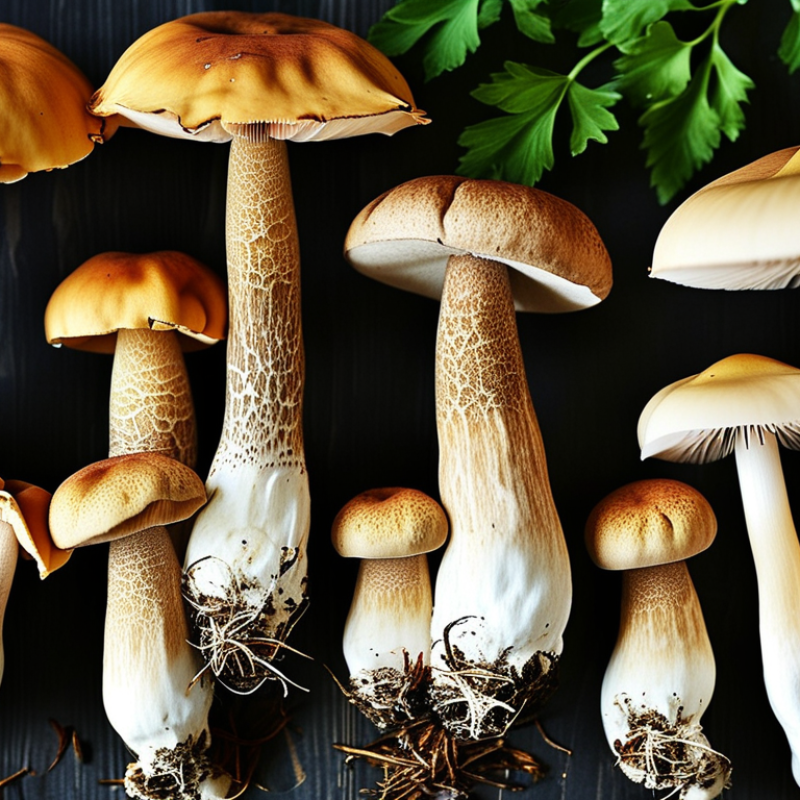
Factors to Consider When Choosing Mushroom Powder
Choosing the right mushroom powder can be tricky. It's essential to consider several factors that affect quality and effectiveness. Look for powders made from whole mushrooms rather than mycelium. Whole mushrooms provide a broader range of nutrients and active compounds.
Check for the extraction method used. Hot-water extraction is common and effective, especially for polysaccharides. Some powders may not disclose their methods. Transparency is vital for quality assurance.
Tip: Reading customer reviews can help gauge the product's effectiveness and reliability. Look for comments on taste and ease of use. It’s also useful to research the source of the mushrooms; organic and sustainably sourced options are often better.
Quality control is another key factor. Ensure the product has been tested for contaminants and published third-party lab results. If information isn’t available, it may raise concerns about the product's safety.
Tip: Try purchasing a small sample first. This allows you to assess the flavor and effects without a hefty investment. It's important to find a mushroom powder that aligns with your health goals.
Types of Mushroom Powders and Their Benefits
Mushroom powders have gained attention for their health benefits and versatility in cooking. Different types of mushroom powders cater to varying needs, each with unique properties. For example, reishi mushroom powder is renowned for its potential to support relaxation and stress relief. Studies indicate it may enhance sleep quality. A report from the "Journal of Medicinal Foods" highlighted that reishi can reduce anxiety levels in users.
Lion's mane powder is another popular option. Research suggests it may support cognitive function and neuroprotection. A study in "Phytotherapy Research" noted significant improvements in memory after consistent use. This powder adds a mild, earthy flavor to dishes, making it an ideal choice for savory recipes.
On the other hand, chaga mushroom powder is packed with antioxidants. A 2020 report from "Nutrients" journal indicates that these antioxidants can combat oxidative stress in the body. While its earthy bitterness may not suit everyone, its health benefits are worth considering. Each type has its strengths, but the choice should align with individual health goals. Exploring options may lead to unexpected preferences, but finding the right one requires patience and experimentation.
Understanding Purity and Quality in Mushroom Powders
When choosing mushroom powder, purity and quality are paramount. Recent studies indicate that the market is flooded with low-quality products. According to a report by the American Herbal Products Association, only about 30% of tested mushroom powders contain the claimed active compounds. This discrepancy can lead to ineffective supplements that do not deliver the promised benefits.
To assess quality, look for third-party testing certifications. Reliable suppliers should provide transparent lab results that show levels of beta-glucans and other key nutrients. High-quality mushroom powders often boast higher concentrations of these compounds, which are linked to numerous health benefits, including immune support. A report from the University of California suggests that products with at least 25% beta-glucans are considered effective.
Moreover, sourcing matters. Mushrooms grown in their natural habitats typically yield better nutritional profiles. Wildcrafted mushrooms tend to contain more beneficial compounds than those harvested from mass production facilities. This preference highlights the need for consumers to scrutinize product sourcing as a key factor in quality. Balancing these elements will help you make informed choices in a crowded market.
Comparison of Mushroom Powder Types Based on Purity and Quality
This chart presents the purity levels of different mushroom powders, helping you visualize their quality. Choose a mushroom powder that meets your needs based on this data!
How to Assess the Source and Production Methods
Choosing the right mushroom powder begins with understanding its source and production methods. The quality of mushroom powder significantly depends on where the mushrooms are grown. Studies show that organically cultivated mushrooms tend to have higher bioactive compounds. This factor is essential for enhancing health benefits. Conventional farming methods may use pesticides. Such practices can diminish the potent nutrients found in mushrooms.
Pay attention to how the mushrooms are processed. Companies that utilize hot water extraction methods tend to retain more beneficial compounds, like polysaccharides. Research indicates that extraction techniques can influence the antioxidants in the final product. A study published in the Journal of Food Science noted that different drying methods impact the nutrient profile. This highlights the need for careful scrutiny.
Be wary of vague sourcing claims. Transparency in sourcing can indicate a higher-quality product. Look for producers who detail their cultivation and harvesting processes. Certifications can also provide insights into sustainability and quality. However, not all certifications guarantee excellence. It demands a discerning eye to navigate the mushroom powder market effectively. Always question the integrity of the information provided by suppliers.
Ways to Incorporate Mushroom Powder into Your Diet
Mushroom powder is a versatile ingredient that adds nutrition to your meals. Incorporating it into your diet can be simple and effective. One of the most common ways is to blend it into smoothies. For example, adding a tablespoon to a fruit smoothie can enhance the flavor and boost health benefits. Studies show that certain mushroom powders can increase immunity and reduce inflammation.
Another option is using mushroom powder in soups or stews. A recent report indicated that the addition of medicinal mushrooms, like reishi or lion’s mane, can provide cognitive benefits. Stirring mushroom powder into broth while cooking can make it easier to absorb these nutrients. It's important to experiment with the quantity. Too much may alter the dish's flavor.
Sprinkling mushroom powder on salads is an easy method as well. The earthy taste can complement greens nicely. However, keep in mind that not all mushroom powders are the same. Some may lack potency due to processing methods. Research your options and choose products that retain their active compounds. Balancing taste and nutrition requires some thought.
How to Choose the Best Mushroom Powder for Your Needs?
| Mushroom Type | Health Benefits | Best Uses | Flavor Profile |
| Reishi | Supports relaxation and immune health. | Teas, hot drinks, smoothies. | Earthy and bitter. |
| Lion's Mane | Promotes cognitive function and memory. | Coffee, shakes, soups. | Mild and sweet. |
| Chaga | Rich in antioxidants; supports overall wellness. | Brews, supplements. | Rich and chocolatey. |
| Shiitake | Supports heart health and immune function. | Stir-fries, sauces. | Savory and umami. |
| Cordyceps | Boosts energy and athletic performance. | Smoothies, pre-workout drinks. | Mildly sweet and earthy. |
