How to Choose the Right Homogeneous Floor for Your Space?
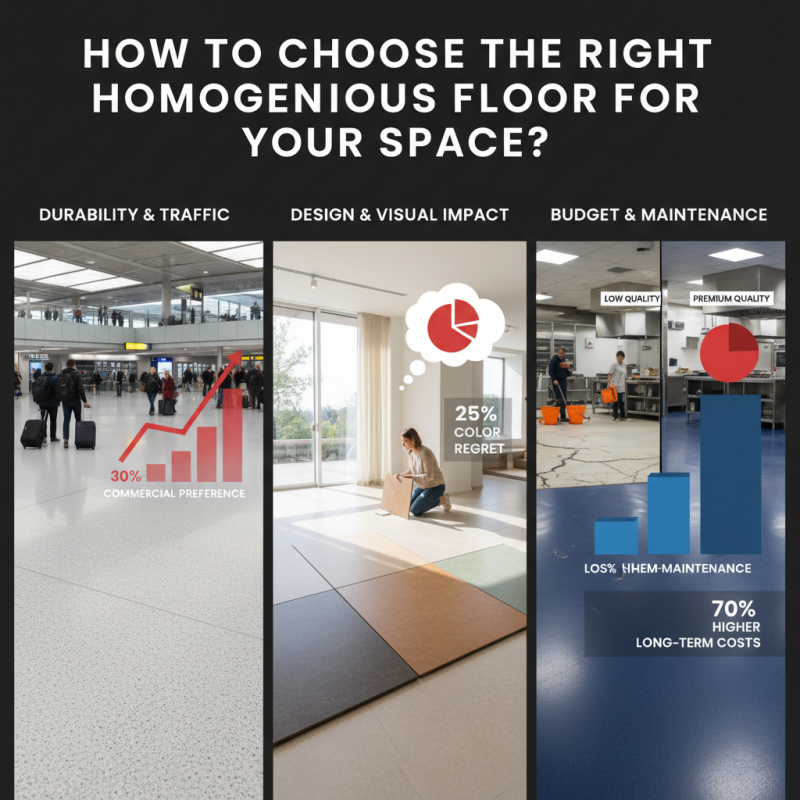
Selecting the right homogeneous floor for your space is crucial. A recent report from the International Floor Covering Association highlights that over 30% of commercial projects prefer homogeneous flooring due to its durability and ease of maintenance. When choosing, consider the environment's foot traffic and your design aesthetics. For instance, a high-traffic area may require a more robust product.
homogeneous floors provide a seamless look, reducing dirt accumulation. However, choosing the wrong color or texture can lead to a sterile appearance. Research indicates that 25% of homeowners regret their color choices, underscoring the importance of visual impact. When exploring options, examine samples under natural light to see how they interact with your space.
Budget considerations also play a vital role. Premium homogeneous materials can be costly. Balancing quality and affordability is essential. While some may think cheaper options suffice, 70% of commercial spaces report higher long-term maintenance costs with low-quality floors. Reflecting on these factors will guide you toward a suitable decision for your flooring needs.
Factors to Consider When Selecting Homogeneous Flooring Options
Choosing the right homogeneous floor involves several important factors. First, consider the space's purpose. High-traffic areas need durable materials, while bedrooms may require softer options. Assess the room's atmosphere too. Does it need to feel warm or vibrant?
Texture plays a crucial role. A smooth finish can look sleek, but it shows dust easily. A textured surface hides imperfections better. Think about maintenance. Some floors require more frequent cleaning. This could affect your time and budget.
Tips: Always get samples before making a decision. This lets you see how the flooring fits with your décor. Also, think about the long-term comfort. Some options may feel cold or hard underfoot.
Lastly, color influences mood. Bright colors can energize a room, while neutral tones provide calm. Reflect on how each color makes you feel. Consider the lighting too, as it changes how the floor appears throughout the day.
Understanding Different Types of Homogeneous Flooring Materials
Choosing the right homogeneous flooring is crucial for any space. There are different materials available, each offering unique benefits. Vinyl, for instance, is flexible and water-resistant. It’s ideal for kitchens and bathrooms. However, it can scratch easily. Consider the wear and tear of your environment before making a choice.
On the other hand, rubber flooring provides excellent durability. It is often used in gyms and play areas. This type absorbs sound and impacts well. Yet, its texture might not suit everyone’s taste. Think about the overall aesthetic you want to achieve in your room. Pay attention to the color and pattern options available. Sometimes, the perfect match might surprise you.
Another option is linoleum, which is eco-friendly. It’s made from natural materials and can last for decades. But, it can require more maintenance compared to vinyl and rubber. Reflect on how much upkeep you are willing to handle. Each material has its strengths and weaknesses, making it essential to evaluate your specific needs.
Assessing the Durability and Maintenance Needs of Flooring Choices
Choosing the right homogeneous floor requires careful consideration of durability and maintenance. Different materials wear at varying rates. For example, vinyl flooring is resilient but may scratch easily. Ceramic tiles can endure heavy foot traffic but are prone to cracking. Think about your space's activity levels before deciding.
Maintenance is equally vital. Some floors require regular waxing, while others need simple mopping. Consider how much time you can dedicate to upkeep. A low-maintenance option may seem ideal, yet it could lack the aesthetic appeal you want. It’s essential to weigh practicality against personal taste.
Remember, no flooring is perfect. Even the most durable options may chip. Reflection on your lifestyle is crucial. Will you host frequent gatherings, or is it a quiet space? Assessing these needs can guide your choice. Don't rush; take time to select wisely. Each flooring type has its pros and cons, and only you can determine what fits best.
Evaluating Aesthetic Appeal and Design Compatibility for Your Space
When selecting a homogeneous floor, aesthetic appeal plays a crucial role. Consider how the flooring complements your existing decor. Harmonious colors can elevate the atmosphere of any room. You might visualize crisp whites, calming blues, or earthy tones. Each option sets a different mood. Think about how these colors make you feel.
Design compatibility is equally important. The texture and finish of the flooring can impact the overall look. Smooth surfaces may suit modern designs, while textured finishes can enhance rustic themes. Evaluate the intended use of the space. A high-traffic area may require a more durable option. Are you prioritizing comfort or style?
Don’t overlook potential mismatches. A floor that looks appealing on a sample might not translate well in your space. Lighting conditions can change its appearance significantly. Gather samples, and observe how they interact with light throughout the day. This can prevent costly mistakes later. Consider the emotions different designs evoke. Reflect on what resonates with you personally. Making the right choice involves more than just aesthetics; it’s about creating a space that feels like home.
How to Choose the Right Homogeneous Floor for Your Space? - Evaluating Aesthetic Appeal and Design Compatibility for Your Space
| Floor Type | Aesthetic Appeal | Design Compatibility | Durability | Maintenance Level |
| Polished Concrete | Modern, Industrial look | Compatible with minimalist and contemporary designs | High | Low |
| Vinyl Flooring | Versatile designs available | Works well in various styles, from classic to modern | Moderate | Moderate |
| Ceramic Tiles | Rich colors and textures | Highly compatible with traditional and modern designs | Very High | Low |
| Linoleum Flooring | Warm, natural look | Ideal for eco-friendly and vintage designs | High | Low |
| Rubber Flooring | Colorful and functional | Perfect for commercial and fitness spaces | High | Very Low |
Budgeting and Cost Comparison for Homogeneous Flooring Solutions
When considering homogeneous flooring, budgeting is essential. The cost varies widely based on materials, design, and installation. Basic options can start low, but high-end selections can quickly increase expenses. Think about the long-term value. Cheap flooring may save you now but could cost more in maintenance later.
Installation fees can add up. It’s important to factor in labor costs when budgeting. Some homeowners may opt for DIY, hoping to save money. However, improper installation can lead to long-term issues. You may end up spending more to correct mistakes. Check prices from various contractors to avoid overspending.
Assess your space. Different areas might call for unique flooring needs. Bathrooms may require water-resistant options, while living areas might focus on aesthetics. Research local suppliers for prices. Compare quotes closely. You want to make an informed decision that balances quality and expense. Consider the warranty and lifespan of the flooring as well. Sometimes a higher initial investment pays off in the end.
