Top Quality Dehydrated Garlic Suppliers for Global Buyers?
In the world of culinary ingredients, Dehydrated garlic holds a special place. Its rich flavor and versatility make it a staple for chefs and home cooks alike. For global buyers, finding top-quality suppliers is crucial. Dehydrated garlic, with its concentrated taste, can elevate various dishes. Many suppliers claim to offer premium products, but not all meet the same standards.
The market for dehydrated garlic has expanded significantly. Numerous suppliers emerge, but experience matters. Buyers need reliable sources that adhere to strict quality measures. It’s wise to research suppliers thoroughly. Look for certified companies with a proven track record. Testimonials and reviews can provide insights into product quality.
However, navigating this market can be daunting. Not every supplier maintains consistent quality. Some may use fillers, affecting flavor and health benefits. Therefore, we recommend buyers test samples before making commitments. Evaluating suppliers critically ensures access to top-quality dehydrated garlic. This approach leads to better purchasing decisions and enhances the culinary experience.
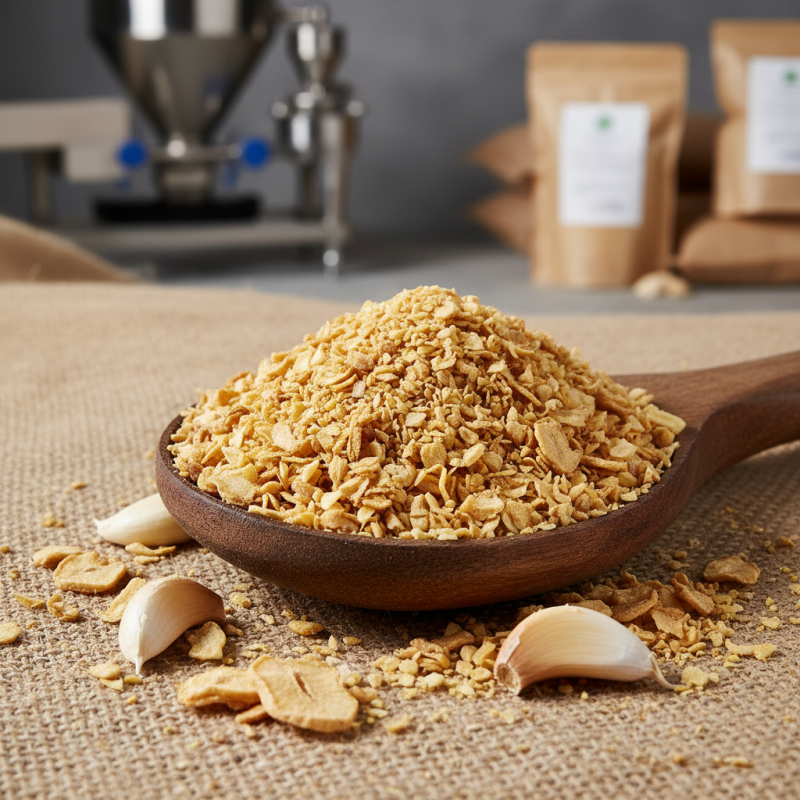
Top Global Suppliers of Dehydrated Garlic: An Overview
The demand for dehydrated garlic is rising globally. Many suppliers offer various forms of dehydrated garlic. Understanding these suppliers can aid buyers in sourcing quality products. This overview highlights significant aspects to consider while choosing suppliers.
When evaluating suppliers, check for certifications. Quality assurance is crucial. Verify their hygiene standards. Dehydrated garlic must meet food safety regulations. Confirm suppliers have a reliable reputation. Seek feedback from various buyers. Peer reviews can provide insights into the supplier's consistency.
Tips: Look for suppliers with transparent practices. They should be open about sourcing and processing. Establishing direct communication is vital. Ask about their farming methods and drying processes. This information can indicate the quality of the product.
Prioritize suppliers that maintain ethical standards. Sustainability should be part of their operations. Understand their impact on the environment and local communities. Responsible sourcing reflects on the product’s quality. It also adds value to your brand.
Top Quality Dehydrated Garlic Suppliers Overview
Criteria for Selecting Quality Dehydrated Garlic Suppliers
When selecting dehydrated garlic suppliers, quality is paramount. A reliable supplier should demonstrate expertise in sourcing and processing garlic. Look for suppliers who prioritize quality control. They should have measures in place to ensure freshness and flavor are preserved during drying.
Tips: Check if the supplier offers samples. This will give you an idea of their product quality before making a large commitment. Read reviews from previous customers. This can help gauge the supplier's reputation.
Certifications matter too. Suppliers with certifications indicate adherence to industry standards. It adds a layer of trust. Potential suppliers should also have clear and transparent communication. If they hesitate to share information, consider it a red flag.
Tips: Assess their response time. Fast responses can indicate a supplier that values customer service. Don’t underestimate the importance of good communication.
Benefits of Choosing High-Quality Dehydrated Garlic Products
When it comes to dehydrated garlic, quality matters significantly. High-quality products retain essential nutrients, flavor, and aroma. This ensures that dishes prepared with these garlic products delight the palate. For culinary professionals, these aspects are vital. They demand ingredients that not only enhance taste but also provide health benefits.
Choosing premium dehydrated garlic means savoring the full range of natural compounds. Antioxidants, vitamins, and minerals are preserved in high-quality products. These components contribute to various health benefits, such as boosting the immune system. However, buyers often overlook the importance of sourcing. Not all suppliers maintain high standards, leading to variations in product quality.
Some suppliers may seem reliable but lack necessary transparency. Buyers should invest time in research. They should look for suppliers with a proven track record and certifications. Engaging in this process may reveal inconsistencies and potential issues. While the search can be daunting, the payoff is substantial. High-quality dehydrated garlic can elevate any dish and provide numerous health benefits.
Key Markets for Dehydrated Garlic: A Global Perspective
Dehydrated garlic plays a vital role in the global spice and food ingredient markets. It offers convenience, longer shelf life, and concentrated flavor compared to fresh garlic. Major markets like North America and Europe demand high-quality dehydrated garlic for food manufacturing and seasoning blends. Their preference leans towards consistent texture and potency, which reliable suppliers strive to meet.
Asia Pacific is another growing hub, driven by rising urbanization and changing food habits. Countries in this region increasingly integrate dehydrated garlic into ready-to-eat products and traditional cuisine. However, challenges such as variation in garlic harvesting and drying techniques sometimes affect quality uniformity. Buyers often face the trade-off between cost and product consistency in these markets.
In emerging markets like Latin America and Africa, awareness and usage of dehydrated garlic are still evolving. Improved supply chain infrastructure and quality control are needed for broader adoption. While these regions show promise, the gap between supply capabilities and buyer expectations highlights an area for further development and collaboration within the global garlic supply community.
Top Quality Dehydrated Garlic Suppliers for Global Buyers
| Country | Annual Production (Metric Tons) | Main Export Markets | Quality Certifications |
| China | 2,000,000 | USA, India, Japan | ISO, HACCP |
| India | 500,000 | Middle East, Europe | FSSAI, ISO 22000 |
| USA | 250,000 | Canada, Mexico | USDA Organic, Non-GMO |
| Egypt | 150,000 | Africa, Europe | ISO, BRC |
Trends in the Dehydrated Garlic Industry and Supplier Innovations
The dehydrated garlic industry continues to evolve, reflecting trends in health and convenience. Consumers are increasingly seeking natural flavor enhancers. The demand for quality dehydrated garlic has surged, prompting suppliers to innovate their processes. They are focusing on sustainability and organic farming practices. This shift not only meets consumer expectations but also addresses environmental concerns.
Many suppliers experiment with new dehydration techniques. These methods enhance flavor while preserving essential nutrients. Some are incorporating advanced technology, which improves efficiency and product quality. However, not all innovations lead to better results. There are still challenges in maintaining consistency and flavor after dehydration. Suppliers must continuously adapt to meet market demands.
In addition, buyers are looking for transparency in sourcing. Trust plays a crucial role in supplier relationships. Many seek detailed information about product origins and processing methods. Yet, there are still gaps in communication that need attention. Building reliable connections between buyers and suppliers can improve trust. Thus, the industry remains dynamic, with opportunities for growth and improvement on both sides.
