50% Response rate
An electric vape is a battery-powered device that heats a liquid to create an aerosol for inhalation. It typically contains a battery, a heating element, a tank or pod, and a mouthpiece. When the device is activated, the battery supplies power to the heating element. The liquid warms and becomes an aerosol. It is not simply water vapor. Its contents and design can vary between products.
Understanding the parts helps explain how the device works. A battery provides energy, while a coil or similar component heats the liquid held nearby. A sensor or button may control activation, depending on the model. Small details matter. Airflow, temperature, and liquid composition can affect how a device operates, so product instructions are important. The phrase “Vapes Elettrico” may appear in product searches, but it does not describe one universal design or standard.
This introduction is educational, not a recommendation to use these products. Aerosols can contain substances that may affect health, and some liquids contain nicotine, which can be addictive. The exact ingredients and risks vary; aerosol should not be assumed harmless. For product-specific information, check the manufacturer’s documentation, and ask a qualified health professional about health concerns. This guide will explain common components and their roles while noting where devices differ. Some questions deserve caution: a clear description of the mechanism cannot establish that a product is safe for every person.
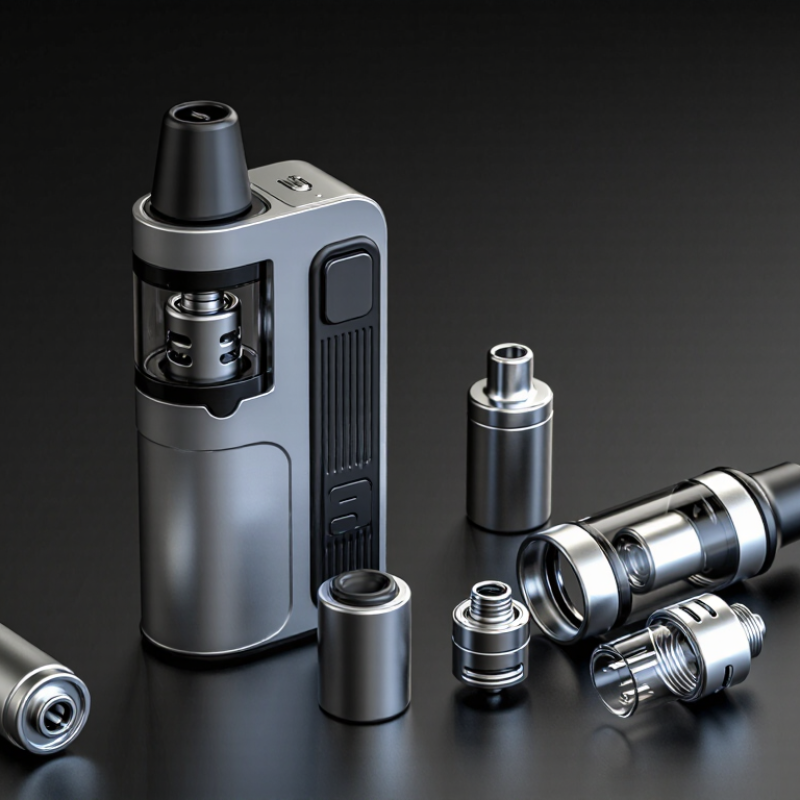
An electric vape is a battery-powered device that heats a liquid and produces an inhalable aerosol. It usually contains a battery, a heating element, and a liquid chamber. When activated, the battery warms the element, and the liquid near it turns into aerosol. It is not simply water vapor. The aerosol’s contents depend on the liquid and device, so appearance alone cannot show what it contains. Small details matter: a loose connection or a nearly empty chamber can affect how the device operates.
Electric vapes are commonly classified by their liquid system and degree of user control. Disposable devices are designed as single units, while pod systems use replaceable or refillable pods. Tank-style devices hold liquid in a larger chamber, often with user-adjustable settings. These groups can overlap, so the labels are an imperfect shorthand rather than a strict technical standard. Devices may also be described by power source, heating method, or whether temperature and airflow can be adjusted. More controls do not automatically mean more reliable operation. Classification explains a device’s design, not its safety or the aerosol’s exact composition; those details vary and require product-specific information.
An electric vape is built from several parts that work together to heat a liquid and create an inhalable aerosol. The battery supplies power, while a small control circuit regulates it. Some devices use a button; others activate when the user draws through the mouthpiece. Designs vary, so not every model contains identical parts.
The reservoir, often called a tank or pod, holds the liquid. A wick carries it toward the heating coil, a thin metal element that warms when electricity passes through it. Air enters through small openings, moves past the heated area, and carries aerosol through the mouthpiece. Airflow affects how freely a draw feels. Small parts matter. A blocked opening or poorly seated pod can change how a device performs, though symptoms differ between models.
Battery condition deserves attention. A damaged or unusually hot battery should not be ignored; the device manual can explain its specific care requirements. Some components are replaceable, while others are sealed, and forcing them apart may cause damage. It is also worth remembering that aerosol is not simply water vapor, and its contents depend on the liquid and device. The technology looks simple from the outside, but the small internal connections can make troubleshooting less obvious than expected.
An electric vape relies on a small battery to supply energy to its heating system. In many devices, a button or airflow sensor signals a control circuit when activation begins. The circuit then sends current to a metal coil, which heats a wick containing liquid. The warmed liquid forms an aerosol that travels through the mouthpiece. The battery does not heat the liquid directly; it powers the parts that do.
A rechargeable lithium-ion cell is common, though designs vary. Its voltage and charge level affect how much power the device can deliver. Some circuits regulate that output, while simpler designs may vary more as the battery drains. That difference can change how quickly the coil warms. Small details matter. A weak charge, worn connection, or damaged cell can disrupt operation, and performance alone cannot reveal whether a battery is in good condition.
Battery protection circuits may limit problems such as overcurrent or excessive discharge, but they are not a guarantee against failure. Heat, swelling, leaking, or a damaged casing are reasons to stop using a device and follow its manufacturer’s safety guidance. Do not open or modify the battery. The explanation sounds tidy, but real devices differ; without inspecting a specific model, its exact power controls remain uncertain.
An electric vape uses a battery to power a small heating element, often called a coil. Liquid reaches the heated surface through a wick or another feed system. As the coil warms, some liquid evaporates; the moving air then cools it, forming tiny airborne droplets. This mixture is an aerosol, not simply water vapor. It may contain substances from the liquid and device materials, and its composition varies.
The process happens quickly, but not at one fixed temperature. Battery output, airflow, liquid supply, and coil condition all affect heating. If the wick dries out, the coil can become too hot and produce an unpleasant, harsh aerosol. A warm metal smell or sudden change in taste can signal a problem, though taste alone cannot confirm what is present. That distinction matters. Aerosol appearance does not reveal its full chemical composition.
Tips: Keep the device clean and follow its manufacturer’s safety instructions. Stop using it if the battery becomes unusually hot, swollen, or damaged. Avoid assuming that a thinner-looking aerosol is safer; visibility is not a reliable measure of exposure.
When a person inhales, air moves through the device and across a heated coil. The heated liquid forms an aerosol: tiny liquid droplets suspended in gas, not simply water vapor. Airflow carries it through an internal passage, then the mouthpiece. The draw creates a brief pressure change. That is what pulls the aerosol forward.
Inside the mouthpiece, droplets may cool, join together, or leave a thin residue on the inner surface. Some aerosol is inhaled; some may settle before reaching the lips. Not quite uniform. Passage length, temperature, and inhalation strength can change the amount and size of particles delivered.
The National Academies’ 2018 report, reviewing more than 800 studies, found that e-cigarette aerosol can contain potentially harmful substances, with emissions affected by device design and use conditions.
That matters even at the mouthpiece: the visible cloud does not reveal everything being carried. A 2020 independent lab test would not necessarily describe every device or puff.
Details matter, and the route is less predictable than a simple tube.