
How to Source Herbal Extracts Globally in 2026?
Sourcing Herbal Extracts globally in 2026 requires more than comparing prices on a supplier list. Buyers must connect botanical science, supply-chain evidence, and responsible business judgment. Mark Blumenthal, founder of the American Botanical Council, has emphasized that “quality is the foundation of trust in herbal products.” That principle remains practical, not decorative.
The process begins with the plant itself. Confirm the Latin binomial, plant part, extraction solvent, harvest region, and concentration ratio. Request a certificate of analysis for every batch. Check identity testing, microbial limits, heavy metals, pesticides, residual solvents, and adulteration risks. A clear COA helps. It is not enough.
Visit qualified suppliers when possible. Observe drying rooms, sealed storage, pest controls, and batch labeling. Ask how workers record harvest dates and transport conditions. Review Good Manufacturing Practice systems, supplier audits, traceability records, and independent laboratory results. Verify that claims, labeling, import documents, and product specifications fit the destination market.
Global sourcing also means watching climate pressure, crop failures, currency shifts, and port delays. A low-cost extract may become expensive after testing failures or customs disruption. Build a second qualified source, but do not treat duplication as proof of resilience. Both suppliers may depend on the same vulnerable crop region.
Some decisions will remain imperfect. Organic certification does not answer every quality question. A polished website proves very little. This guide examines practical sourcing choices, evidence standards, and common blind spots for buyers seeking reliable Herbal Extracts in 2026. The goal is not effortless procurement. It is informed, documented, and repeatable judgment.

Define Herbal Extract Types, Uses, and Quality Requirements
Global herbal sourcing starts with a clear extract definition. A dry extract removes much of the solvent and usually offers easier shipping. Liquid extracts retain a carrier, such as water, glycerin, or ethanol. Tinctures are liquid extracts with defined solvent ratios. Standardized extracts declare marker compounds, but markers do not prove the whole product works. Uses differ widely, including dietary supplements, functional foods, cosmetics, and traditional preparations. The WHO Global Report on Traditional and Complementary Medicine 2019 states that 170 of 194 Member States reported using traditional medicine. This demand makes botanical identity and supply continuity essential.
Quality requirements should match the intended use. Request the Latin species name, plant part, harvest location, extraction solvent, and extraction ratio. Test each batch for identity, marker compounds, microbes, pesticides, heavy metals, mycotoxins, and residual solvents. A 2023 FAO report highlights traceability and sustainable collection as important risks in medicinal and aromatic plant supply chains. Ask for chromatographic fingerprints, certificates of analysis, stability data, and change-control records. One weakness remains common: suppliers may provide clean paperwork but limited evidence about harvest conditions.
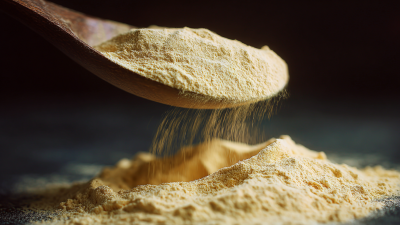
Tips: Compare three qualified suppliers before sampling. Check whether the reference standard matches your extract. Inspect the powder under good light; unusual color, clumping, or strong solvent odor deserves investigation. Use independent laboratory testing for the first shipment. Recheck later batches, because seasonal variation can alter potency. WHO good agricultural and collection practices also recommend documented harvesting, drying, storage, and personnel hygiene procedures. A low price can hide weak traceability. Dig deeper.
How to Source Herbal Extracts Globally in 2026? - Define Herbal Extract Types, Uses, and Quality Requirements
| Herbal Extract Type | Typical Botanical Material | Common Uses | Important Quality Requirements | Recommended Tests and Documents | Global Sourcing Considerations |
|---|---|---|---|---|---|
| Dry Extract | Leaves, roots, rhizomes, flowers, fruits, seeds, or bark processed into a powder | Capsules, tablets, sachets, functional foods, beverages, and traditional herbal preparations | Defined native extract ratio or DER, moisture control, suitable particle size, stable marker profile, and low microbial load | Identity testing, HPLC or HPTLC marker analysis, moisture, ash, microbial limits, heavy metals, pesticide residues, and residual solvents | Confirm whether carriers or excipients are present; verify the extraction solvent and the declared DER on every specification sheet |
| Standardized Extract | Botanical material with a defined level of one or more measurable constituents | Products requiring consistent potency, including botanical supplements and formulated wellness products | Validated assay method, acceptable potency range, batch-to-batch consistency, and clear distinction between active constituents and analytical markers | Validated chromatographic assay, certificate of analysis, reference standards, stability data, and full batch traceability | A declared percentage must identify the measured compound or compound group; avoid treating an unspecified “standardized” claim as proof of efficacy |
| Quantified Extract | Botanical extract with a specified range of naturally occurring constituents | Formulas where a characteristic phytochemical profile is more relevant than a single active compound | Defined constituent range, representative chromatographic fingerprint, and controlled variation between harvests | HPLC, UPLC, GC-MS where appropriate, fingerprint comparison, identity testing, and stability monitoring | Ask for the complete marker profile rather than relying only on one headline constituent |
| Fluid Extract | Concentrated liquid extract made from fresh or dried plant material | Liquid supplements, oral drops, syrups, topical products, and compounding applications | Defined extract ratio, solvent composition, density or solids content, microbial control, and container compatibility | Identity, assay, alcohol percentage if applicable, pH, density, microbial testing, preservatives, and stability data | Check shipping classification, temperature limits, leakage controls, and whether the solvent system is permitted in the destination market |
| Tincture | Plant material extracted in ethanol, water, or a hydroalcoholic solvent | Traditional liquid herbal products and low-volume dosing formats | Correct botanical identity, solvent ratio, alcohol content, extract ratio, absence of adulterants, and acceptable microbial quality | Botanical identification, alcohol assay, marker analysis, microbial limits, pesticide residues, and packaging compatibility | Verify alcohol-labeling rules, dangerous-goods requirements, and import restrictions for the destination country |
| Water Extract | Water-soluble components from roots, leaves, flowers, fruits, or seeds | Teas, instant powders, beverages, food applications, and products designed for water dispersibility | Solubility or dispersibility, low moisture, microbial safety, controlled drying, and protection against hygroscopicity | Solubility, moisture, water activity, microbial testing, identity, marker compounds, and foreign-matter inspection | Spray-drying carriers may affect labeling and formulation; request a full excipient declaration |
| Ethanolic or Hydroalcoholic Extract | Dried or fresh plant material extracted with ethanol, water, or a defined mixture | Concentrated botanical ingredients, liquid products, and extracts containing both polar and moderately non-polar constituents | Defined ethanol concentration, residual-solvent control, marker profile, and protection from oxidation | Solvent verification, residual solvents, chromatographic assay, microbial limits, heavy metals, pesticides, and stability | Request the exact solvent grade and recovery process; confirm compliance with food, supplement, cosmetic, or pharmaceutical requirements |
| CO2 Extract | Aromatic herbs, spices, seeds, fruits, or resinous plant materials | Flavoring, fragrance, cosmetics, topical products, and selected concentrated botanical formulations | Defined volatile or lipid-soluble profile, oxidation control, absence of process contaminants, and consistent physical characteristics | GC-MS for volatile components, HPLC where applicable, peroxide value, residual solvent checks, identity, and stability | Specify whether the extract is selective or total; viscosity and low-temperature handling can affect filling and transportation |
| Essential Oil | Volatile aromatic fractions obtained mainly by steam distillation, hydrodistillation, or mechanical expression | Fragrance, flavor, cosmetics, personal care, and selected topical applications | Authentic botanical and geographical identity, characteristic chromatographic profile, oxidation control, and contaminant limits | GC-MS or GC-FID profile, optical rotation where relevant, density, refractive index, peroxide value, pesticides, and adulteration screening | Check flammability, allergen declarations, phototoxicity information where relevant, and transport regulations |
| Glycerin Extract | Fresh or dried botanical material extracted with vegetable glycerin, water, or both | Alcohol-free liquid supplements, cosmetics, oral-care products, and topical formulations | Glycerin concentration, water activity, microbial stability, botanical identity, and preservative effectiveness where required | Glycerin assay, pH, water activity, microbial testing, identity, marker analysis, and stability testing | Confirm the glycerin source and food or cosmetic grade; high water content may shorten shelf life |
| Lipophilic or Oil Extract | Oil-soluble constituents from seeds, fruits, flowers, roots, or leaves | Softgels, functional foods, cosmetics, skin-care products, and oil-based formulations | Fatty-acid or marker profile, oxidation limits, absence of rancidity, and control of contaminants that concentrate in oils | Peroxide value, anisidine value, acid value, fatty-acid profile, pesticides, heavy metals, and oxidative stability | Use oxygen-barrier packaging and define storage temperature; evaluate light and headspace oxygen exposure during transit |
| Granulated or Instantized Extract | Dry extract agglomerated or spray-dried to improve flow, dispersibility, or handling | Instant beverages, stick packs, sachets, tablets, and powdered food supplements | Flowability, bulk density, dispersibility, moisture, water activity, particle-size distribution, and carrier declaration | Particle-size analysis, bulk density, moisture, water activity, microbial limits, identity, and marker assay | Define the target reconstitution time and carrier limits before approval; packaging must control humidity |
Related Posts
-
What Are the Best Herbal Extracts Suppliers in China?
-
Navigating Global Quality Standards for Sourcing Herbal Extracts Effectively
-
Unlocking the Potential: A Comprehensive Guide to Sourcing Herbal Extracts for Your Business
-

Top 10 Botanical Extract Suppliers for Global Sourcing
-
Unlocking Quality: 7 Industry Standards That Define the Best Extract Powder
-
Unlocking the Power of Nature: A Comprehensive Guide to the Best Extract Powders for Global Buyers