What is Herbal Powder and Its Benefits for Health?
Herbal Powder has gained popularity in recent years. This natural substance comes from various plants, offering numerous health benefits. People seek herbal powders for their potential to enhance wellness and support healing.
You might find these powders made from roots, leaves, or flowers. Each type can have unique properties. For example, turmeric powder is known for its anti-inflammatory effects. Others, like spirulina, are packed with nutrients. Many use herbal powders to boost energy or improve digestion.
Yet, it's crucial to approach this topic with care. Not all herbal powders are equally effective or safe. Quality can vary widely among suppliers. Understanding their uses and potential side effects is vital. By doing so, we can make informed choices about incorporating herbal powder into our health routines.
Definition of Herbal Powder and Its Origins
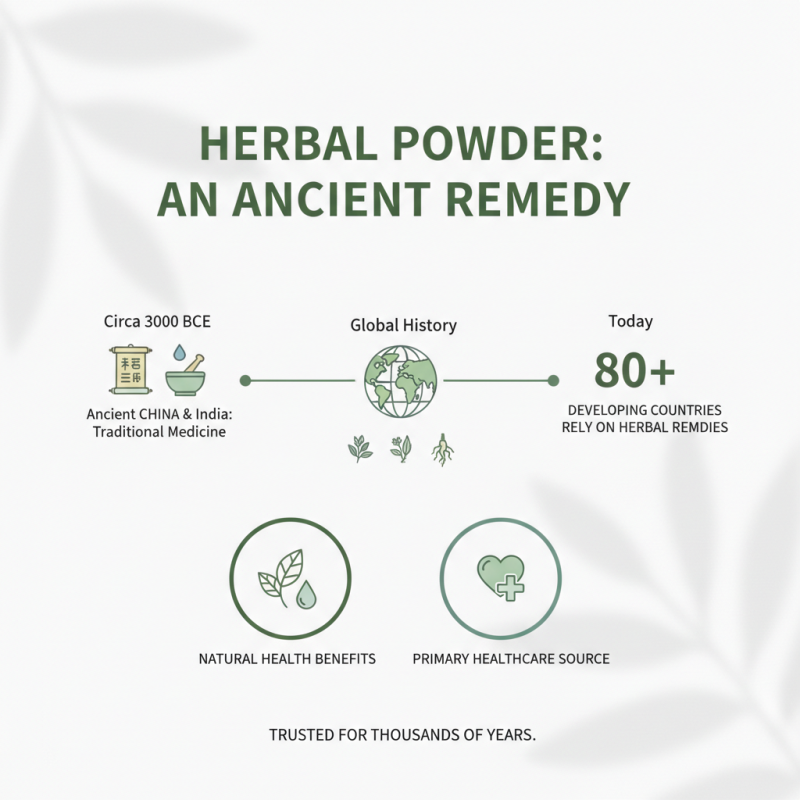
Herbal powder has a rich and ancient history. It originated thousands of years ago in traditional medicine practices around the world. Ancient texts from China and India describe the use of various plant materials for health benefits. Studies indicate that over 80% of people in developing countries rely on herbal remedies. This reliance highlights the significance of these natural products in healthcare.
The processing of herbs into powder is a skilled art. It makes potent plant properties more accessible. Various methods exist, from sun-drying to grinding, enhancing their bioavailability. Reports show that herbal powders can retain up to 90% of the active compounds if processed correctly. However, not all powders deliver the promised benefits. Quality can vary widely, leading to inconsistent results. Notably, consumers often overlook these quality discrepancies. It is essential to understand the origins of herbal powders to make informed choices.
Common Types of Herbal Powders and Their Sources
Herbal powders are gaining popularity due to their numerous health benefits. The market is projected to reach $3.5 billion by 2028, as people seek natural remedies. Common types of herbal powders include turmeric, ginger, and ashwagandha, each derived from unique sources.
Turmeric powder comes from the root of Curcuma longa. It is renowned for its anti-inflammatory properties. Studies indicate that curcumin, the active ingredient, may lower the risk of chronic diseases. Ginger powder, made from Zingiber officinale, is often used for its digestive benefits. Research shows it can reduce nausea and inflammation. Ashwagandha powder, sourced from Withania somnifera, is known for its stress-relieving properties. Some studies suggest it can improve mental clarity and boost energy levels.
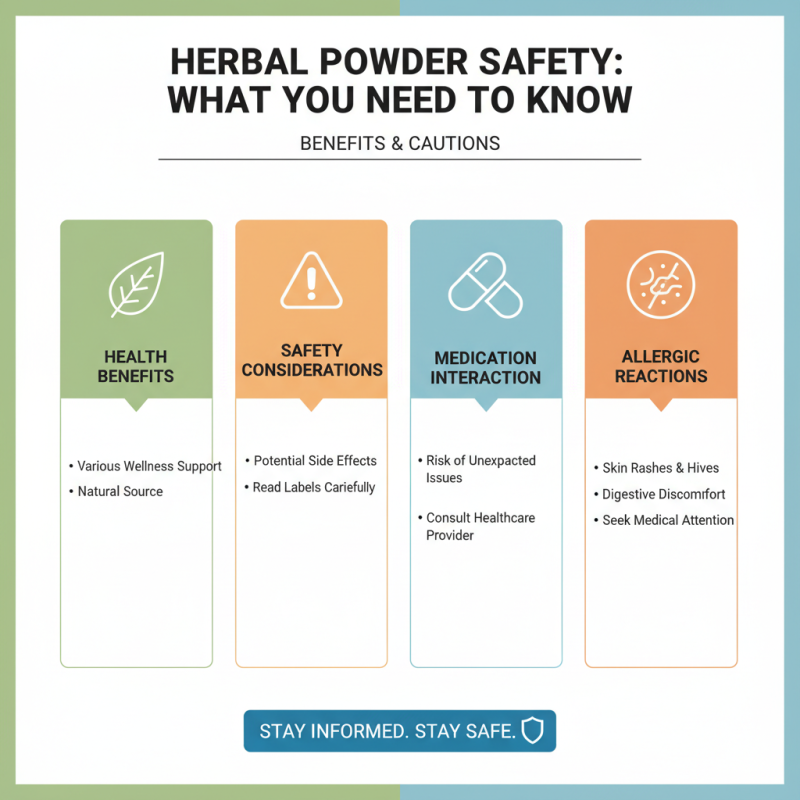
While these powders have evident advantages, they may not work for everyone. Individual responses can vary significantly. Some users report side effects, like stomach upset or allergic reactions. It’s crucial to consult a healthcare provider before starting any new supplement. Accurate dosing matters. Not all herbal powders are created equal. Quality and sourcing can impact efficacy and safety.
What is Herbal Powder and Its Benefits for Health?
| Herbal Powder |
Source |
Health Benefits |
| Turmeric Powder |
Turmeric root (Curcuma longa) |
Anti-inflammatory, antioxidant properties, supports joint health. |
| Ginger Powder |
Ginger root (Zingiber officinale) |
Digestive aid, alleviates nausea, anti-inflammatory. |
| Matcha Powder |
Shade-grown green tea leaves (Camellia sinensis) |
Rich in antioxidants, boosts metabolism, enhances mood. |
| Ashwagandha Powder |
Roots of Withania somnifera |
Reduces stress, enhances stamina, improves cognitive function. |
| Fenugreek Powder |
Seeds of Trigonella foenum-graecum |
Supports digestive health, helps regulate blood sugar levels. |
Health Benefits of Herbal Powders for Various Ailments
Herbal powders have gained attention for their potential health benefits. They are made from various plants, including herbs, roots, and spices. These natural ingredients are rich in vitamins and minerals, which can aid in improving overall health. Different herbal powders offer unique advantages, making them versatile solutions for various ailments.
For digestive issues, ginger powder can provide relief. It may help reduce bloating and nausea. Turmeric powder is well-known for its anti-inflammatory properties. It is often used for joint pain and swelling. Herbal powders can also boost immunity. Black pepper powder is believed to enhance the absorption of nutrients, increasing overall health benefits.
Some people experience unexpected side effects. Not every herbal powder suits everyone. It's important to start with small amounts to assess tolerance. Consulting a healthcare provider can provide valuable insight. While herbal powders can enhance well-being, they shouldn't replace professional medical advice. Awareness of individual health needs is crucial when using these natural remedies.
How to Incorporate Herbal Powders into Your Diet
Incorporating herbal powders into your diet can be simple and rewarding. These powders, derived from various plants, provide numerous health benefits. They can enhance digestion, boost immunity, and even improve mental clarity. According to a recent industry report, 70% of consumers are seeking to enhance their wellness with herbal products.
Try adding herbal powders like spirulina or turmeric to your morning smoothie. A teaspoon can significantly increase the nutrient content. Mixing them with yogurt is another excellent option. This provides a creamy texture that makes consuming these powders enjoyable. Don't forget to use them in soups or sauces for added flavor and benefits.
**Tip:** Start with small amounts. Some people may be sensitive to the strong flavors or properties of certain herbal powders. This can help prevent any unexpected reactions. Listen to your body and adjust accordingly. Remember, finding the right balance may take time, so be patient. It's all about discovering what works best for you.