2026 How to Choose Biodegradable Fruit Packaging Bags?

In recent years, the demand for biodegradable fruit packaging bags has surged. Consumers are increasingly aware of environmental issues. Choosing the right packaging is critical for fruit preservation and sustainability.

Biodegradable fruit packaging bags offer a solution that aligns with eco-friendly practices. These bags break down naturally, reducing landfill waste. However, not all biodegradable options are equally effective. Some may still harm the environment if not disposed of properly.

Understanding the material used in these bags is essential. Options like PLA, derived from corn starch, show promise. Yet, their performance can vary based on usage and conditions. It’s important to reflect on packaging choices, ensuring they meet both fruit protection needs and environmental standards. Making informed decisions can lead to a healthier planet.
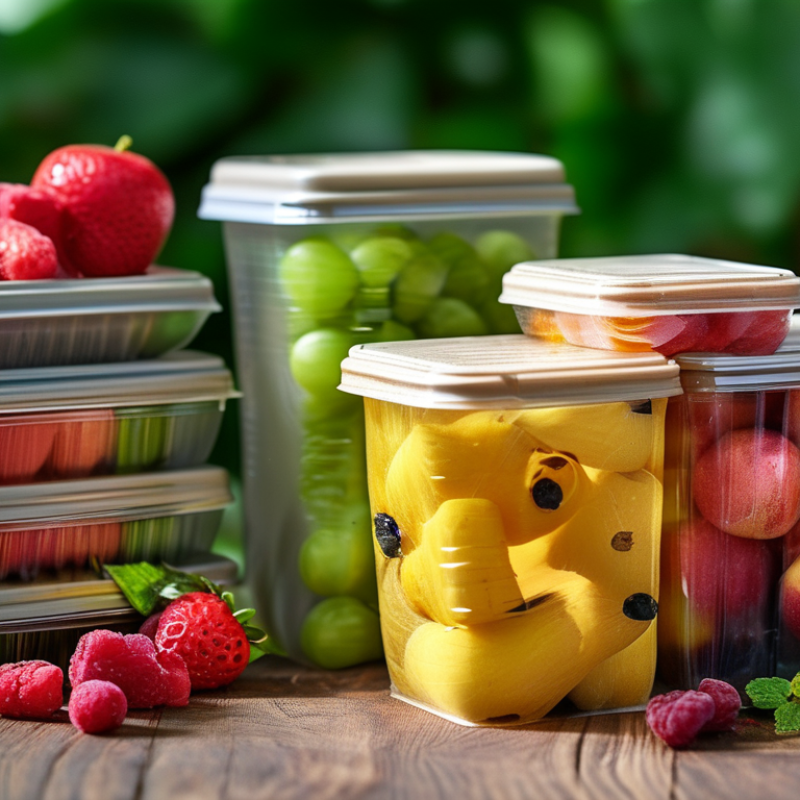
2026 How to Choose Biodegradable Fruit Packaging Bags?

Understanding Biodegradable Materials for Fruit Packaging

Choosing the right biodegradable materials for fruit packaging is crucial. These materials should protect fruits while reducing environmental impact. Common options include plant-based plastics and compostable films. Each material has its properties and suitability for different fruits.

Understanding the biodegradation process is essential. Some materials break down in weeks, while others take years. This can affect your choice based on how soon the fruits will be consumed. Consider how moisture and temperature affect the packaging's performance.

There are still challenges to address. Not all biodegradable options perform as expected in real-world conditions. Moreover, consumer education is vital for proper disposal. Packaging needs to clearly indicate how to dispose of it. Reflecting on these aspects can help improve packaging choices.

Types of Biodegradable Fruit Packaging Bags Available

When selecting biodegradable fruit packaging bags, it's crucial to recognize the variety available. Start with plant-based materials, which include starch or PLA. These bags decompose quickly in commercial composting settings, making them eco-friendly. They offer good strength and protection for fruits while being lightweight.

Another type to consider is paper-based biodegradable bags. These options use recycled paper, making them a sustainable choice. They can hold moisture well, which is beneficial for fresh fruits. However, paper bags may not be as resilient against wet conditions and might tear easily if mishandled.

Also, there are innovative biodegradable films that blend different polymers. These materials aim for durability without compromising environmental sustainability. While these new films appear effective, their composting conditions may not be widely understood. As technologies evolve, more options may surface, but always check the certification and disposal guidelines for each type. The journey toward fully sustainable packaging is ongoing, and choices warrant careful consideration.

Factors to Consider When Choosing Biodegradable Bags

Choosing biodegradable fruit packaging bags involves several key factors. Start by identifying the materials used in the bags. Common options include plant-based plastics and paper. Ensure these materials meet composting standards for effective biodegradation. Some bags may not break down as expected, so consider certifications from recognized organizations.

Another factor is the bag's strength and durability. A flimsy bag can lead to fruit damage. Check weight limits and ensure the bags can withstand transportation without tearing. Visual inspection can also be helpful; look for thickness and sturdiness in the design.

Eco-friendliness is essential, but not all biodegradable bags fulfill this promise. Some may break down in certain conditions but not in others. Research the timeline for biodegradation. Testing can be helpful here. Expert opinions can guide you in making a more informed choice. Stay informed about new innovations in the biodegradable sector, as standards are evolving.

Evaluating the Environmental Impact of Packaging Options

When choosing biodegradable fruit packaging bags, it's essential to evaluate their environmental impact. Many assume all biodegradable materials decompose quickly and harmlessly. However, this is not always the case. Some bags require specific conditions to break down, limiting their effectiveness in standard composting systems.

Consider the source of the biodegradable materials. Many bags are made from plant-based plastics, which can still require significant energy and resources to produce. Furthermore, some biodegradable options may not decompose effectively in landfills. Instead of relying solely on the term "biodegradable," it’s crucial to investigate the entire lifecycle of the product.

The effectiveness of biodegradable packaging depends on various factors. These include the local waste management systems and how consumers dispose of the bags. Understanding these nuances can lead to more sustainable choices. Educating yourself about environmental claims ensures responsible purchasing. Engaging critically with packaging options fosters awareness and drives meaningful change in the industry.

Environmental Impact of Biodegradable Fruit Packaging Options

Best Practices for Using Biodegradable Fruit Packaging Bags

Biodegradable fruit packaging bags are an excellent alternative to traditional plastic bags. When selecting these bags, it's important to consider material quality. Look for bags made from renewable resources like cornstarch or plant-based polymers. This ensures that the packaging breaks down effectively in composting environments. Ask suppliers for certifications that verify the compostability of their products.

Proper usage is crucial to maximize the benefits of biodegradable bags. Avoid exposing them to excessive moisture before you use them. This can compromise their structural integrity. Additionally, consider the size of the fruit being packaged. Using a bag that fits snugly prevents unnecessary movement and reduces the risk of crushing the fruit. Remember, the goal is to protect the fruit while doing minimal harm to the environment.

Transitioning to biodegradable options is not without challenges. Some bags may not perform as well as conventional plastic in certain situations. They might tear more easily or may have a shorter shelf life. Users should be prepared for this trade-off. It's essential to weigh the pros and cons based on your specific needs. Each step helps create a more sustainable future.

2026 How to Choose Biodegradable Fruit Packaging Bags? - Best Practices for Using Biodegradable Fruit Packaging Bags

Criteria Details Benefits
Material Type PLA, PHA, Starch-based Renewable resources, compostable
Degradation Time 6 months to 2 years Reduced landfill impact
Sizing Options Various sizes for fruits Customized solutions for different fruits
Certifications Compostable; Biodegradable Trustworthiness and compliance
Cost Higher than conventional plastic Long-term environmental savings
User Feedback Positive for fruit freshness Enhances customer satisfaction