2026 How to Choose a Double Eccentric Butterfly Valve?
Choosing the right double eccentric butterfly valve is crucial for various industrial applications. Reports indicate that the valve market is expected to grow significantly, reaching $15 billion by 2026. This growth is driven by increasing demand for automation and efficiency in fluid control systems.
double eccentric butterfly valves are favored for their ability to handle high pressures and provide tight sealing. Their design allows for less wear in service compared to traditional valves. However, selecting the right one requires careful consideration of several factors. Users often overlook specifications, leading to mismatched requirements.
One common mistake is ignoring the application conditions. Temperature and fluid type greatly influence the valve's performance. Users must also evaluate installation space. Many underestimate how valve size impacts overall system efficiency. A thoughtful approach ensures optimal valve performance in your system.
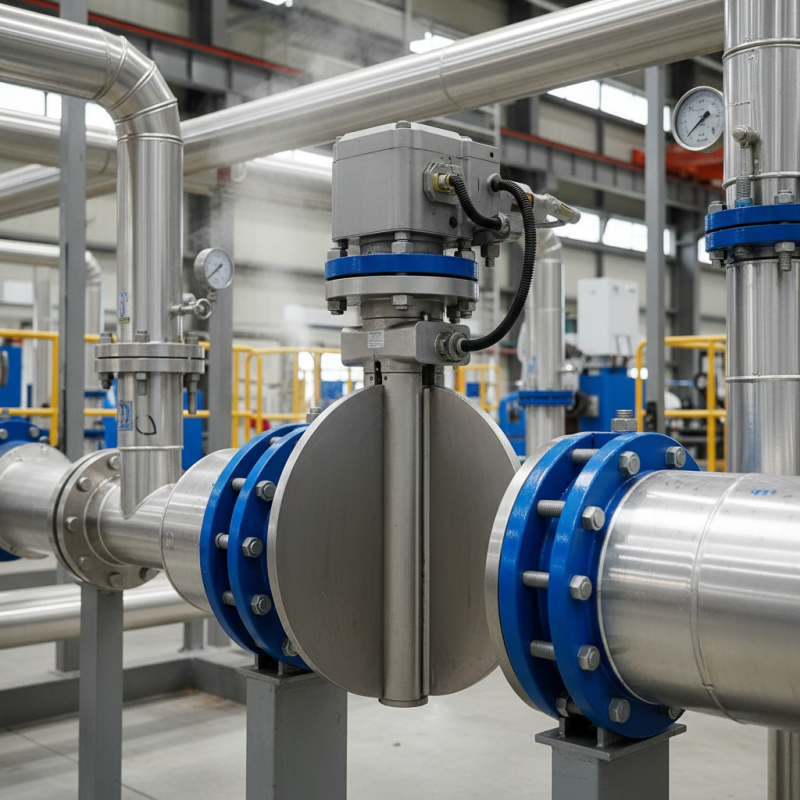
Factors to Consider When Selecting a Double Eccentric Butterfly Valve
When selecting a double eccentric butterfly valve, several crucial factors come into play. One key consideration is the material used for the valve body. Industry reports suggest that carbon steel and stainless steel are popular choices. They provide excellent durability and can withstand high pressures. However, these materials may not be suitable for all applications, especially in corrosive environments. Corrosion-resistant options often lead to increased costs.
Another factor to consider is the valve’s size and pressure rating. A 2022 market analysis indicated that correctly sizing the valve affects its performance significantly. Miscalculated sizes might lead to leakage or flow issues. In many cases, it is helpful to consult with fluid dynamics experts. They can provide insights based on fluid types and flow rates typical for given applications.
Moreover, the actuator type is critical. Electric, pneumatic, and hydraulic actuators offer various benefits. Each comes with specific installation and maintenance challenges. Reports show that improper actuator selection can result in inefficient valve operation. It can also increase downtime. Analyzing the operational environment is essential for making the right choice. Thus, it's vital to weigh these factors carefully, even if they complicate the decision-making process.
Understanding the Design and Functionality of Double Eccentric Valves
Double eccentric butterfly valves are notable for their unique design. They offer flexibility in various applications. Understanding their functionality is crucial for effective use. The dual offset design reduces wear and tear. This contributes to the valve’s long lifespan.
When selecting a double eccentric butterfly valve, consider the material. The choice can impact performance and durability. Different environments require different materials. For example, corrosive substances demand special consideration. Choose materials that withstand challenging conditions.
Tips: Ensure a proper size is selected for your system. An incorrect size can lead to inefficiencies. Regular maintenance checks are essential. Inspect seals and seating surfaces for any wear. Frequent checks can prevent costly downtimes. Also, consider the actuator type. It must match your operational needs.
Industry Standards and Ratings for Double Eccentric Butterfly Valves
When selecting a double eccentric butterfly valve, understanding industry standards is crucial. According to a recent report by the American Society of Mechanical Engineers (ASME), these valves should meet specific operational parameters. Factors such as pressure ratings, temperature tolerances, and leak rates significantly affect performance.
A common standard is the API 609, which details manufacturing and testing criteria. Valves should demonstrate a minimum bubble-tight sealing capability under designated pressure conditions. Many double eccentric butterfly valves achieve this, but not all meet the exact specifications. Buyers should thoroughly review the product's performance data before making decisions.
Additionally, the ISO 9001 certification can guide quality assurance. This standard addresses consistent quality and process improvements. However, it is essential to recognize that certification alone does not ensure optimal performance. Valves may still fail under extreme conditions or age-related wear. Hence, careful selection based on detailed technical data, customer reviews, and potential service requirements is vital.
Material Selection for Durability and Performance in Valves
When choosing a double eccentric butterfly valve, material selection is crucial for durability and performance. Valve materials significantly impact service life and efficiency. Common materials include stainless steel, carbon steel, and plastics. Each has its strengths and weaknesses.
Stainless steel offers excellent corrosion resistance. However, it can be more expensive. Carbon steel is robust but prone to rust without proper coating. Plastics, like PVC, are lightweight and resistant to corrosive chemicals. Yet, they may not withstand high pressures.
Tip: Always evaluate the environment where the valve will operate. Harsh conditions require durable materials. A 2019 industry report noted that 30% of valve failures are due to poor material choices. Consider a material's compatibility with the fluid to prevent leaks.
It's important to reflect on performance under stress. For example, valves in high-temperature applications must use heat-resistant materials. The wrong choice can lead to premature failure. Don’t overlook these details. They can save costs and enhance system reliability.
Tip: Consult with suppliers or specialists. They can provide insights based on current industry standards. Your choice of material can make all the difference in valve performance. Consider long-term effects on your system.
Applications and Limitations of Double Eccentric Butterfly Valves in Industry
Double eccentric butterfly valves play a crucial role in various industrial applications. Their design allows for a tighter seal than other types. This is essential in sectors like oil and gas, water treatment, and HVAC. According to a recent industry report, double eccentric butterfly valves can reduce leakage rates by up to 90%. This efficiency can significantly lower operational costs.
However, not all situations suit this valve type. High-pressure applications, for example, may present challenges. The actuator requirements can be complex, impacting installation time. Some industries face limitations due to the valve's weight, which can be a concern in space-constrained environments. Moreover, the ease of maintenance is vital; if not addressed, it could lead to increased downtime.
In fluid handling, these valves excel but may struggle with sediment-heavy flows. This can cause wear over time, leading to failures. Also, improper selection based on system dynamics can result in poor performance. Industry experts often stress the importance of understanding specific operational conditions before implementing these valves. Mistakes can be costly, highlighting the need for careful assessment and planning.
