Why is Autoclave Vessel Important in Industrial Applications?
The Autoclave Vessel plays a crucial role in various industrial applications. Dr. Emily Thompson, an expert in pressure vessel engineering, emphasized, “An effective autoclave system enhances product quality.” This statement highlights the vessel's importance in ensuring reliable outcomes in industries such as aerospace, pharmaceuticals, and materials science.
Autoclaves utilize high-pressure steam to achieve sterilization and chemical reactions. They ensure that materials can withstand harsh conditions. Whether used for composite curing or sterilization processes, the autoclave vessel is a key component. It must be well-designed to meet precise specifications. However, not every autoclave system operates flawlessly. Sometimes, equipment malfunctions occur, leading to production delays or compromised results.
The design and maintenance of the autoclave vessel require careful consideration. Regular checks are necessary to prevent failures. Users must be vigilant about pressure levels and structural integrity. These details, often overlooked, can make a significant difference in outcomes. Thus, understanding the autoclave vessel's importance is essential for industries aiming for quality and efficiency.
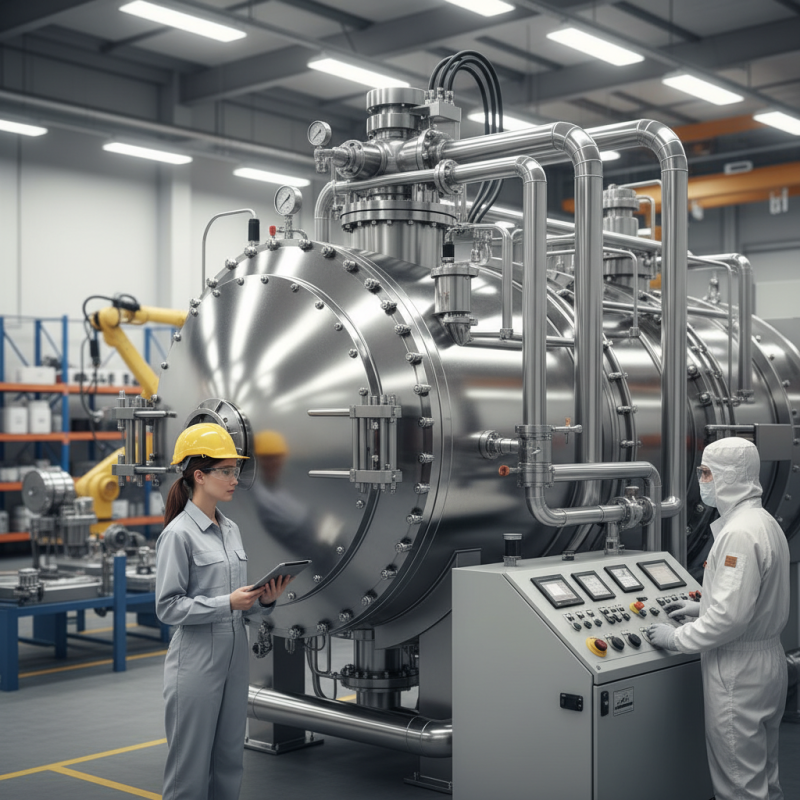
Importance of Autoclave Vessels in Industrial Processes
Autoclave vessels play a crucial role in various industrial processes. They create a controlled environment for chemical reactions at high temperatures and pressures. The ability to sterilize materials and components is essential in sectors like pharmaceuticals and food processing. Autoclaves ensure that products meet safety and quality standards through effective sterilization.
In composite manufacturing, autoclaves help cure materials efficiently. They allow for consistent heat distribution, which improves the mechanical properties of the final products. However, it's important to monitor pressure and temperature closely. Any discrepancies can lead to defects. Balancing costs and operational efficiency is challenging. Many industries grapple with this issue.
The use of autoclaves also extends to research and development. They enable the testing of new materials under extreme conditions. This is beneficial, yet it requires precise calibration and maintenance. Even minor flaws can compromise entire projects. Industries must invest in regular evaluations to ensure optimal performance.
Key Applications of Autoclave Vessels in Various Industries
Autoclave vessels play a crucial role in various industries, notably in aerospace and biomedical fields. In aerospace, they are essential for curing composite materials. The composites are often used in aircraft construction due to their lightweight and strength. According to a report by MarketsandMarkets, the global aerospace composites market is expected to reach $50 billion by 2025. This growth directly correlates with the rising demand for high-performance materials that require autoclave processing.
In the biomedical industry, autoclave vessels are invaluable for sterilizing medical devices. The process ensures that surgical instruments are free from microbes. A report from Grand View Research highlighted that the global sterilization services market will grow at a CAGR of 8.4% from 2021 to 2028. This growth signifies the increasing importance of safety and hygiene in medical practices. However, reliance solely on autoclave processes can lead to limitations in certain device materials.
Moreover, the construction industry also benefits from autoclave vessels for producing aerated concrete blocks. These blocks are lighter and more efficient for building. While the technology enhances productivity, the investment costs for high-quality autoclaves can be a concern for smaller companies. Reflecting on these challenges is essential for industry players aiming to optimize their production processes.
How Autoclave Vessels Ensure Safety and Quality in Manufacturing
Autoclave vessels play a critical role in industrial settings. They ensure the proper sterilization and curing of various materials. This is particularly vital in sectors like aerospace and pharmaceuticals. Through high pressure and temperature, autoclaves create a controlled environment. This helps eliminate harmful contaminants, ensuring product safety.
Safety is paramount in manufacturing. Autoclave vessels are designed with multiple safety features. These include pressure relief valves and emergency shutdown systems. However, improper use can lead to accidents. Training operators is essential. Regular maintenance checks are necessary, too. These precautions are not always followed, which can result in safety risks.
Quality control directly ties to the effectiveness of autoclave vessels. They must be calibrated accurately to function correctly. Small deviations can lead to significant issues. For instance, inadequate sterilization may compromise the integrity of medical instruments. This underscores the importance of rigorous testing and validation protocols. Companies must prioritize these aspects to enhance overall safety and quality.
The Role of Autoclave Vessels in Sterilization and Material Treatment
Autoclave vessels play a crucial role in sterilization and material treatment in various industries. These high-pressure devices create a controlled environment ideal for achieving effective sterilization. They use steam, heat, and pressure to eliminate microorganisms from tools and materials. This process ensures safety and quality in medical, pharmaceutical, and food industries.
One must consider the importance of proper maintenance for autoclave vessels. Regular inspections are vital to ensure they function correctly. Any unnoticed flaws in the system can compromise sterilization results. Always check the seals and gaskets for wear and tear. Also, verify the pressure settings to ensure compliance with safety standards.
Tip: Keep a detailed log of maintenance checks. This helps to identify patterns or recurring issues over time. When treating materials, understanding specific requirements is key. Not all materials respond equally to sterilization procedures. Knowing the composition can prevent damage during treatment. Adjusting the time and temperature can make a significant difference.
Technological Innovations Enhancing Autoclave Vessel Efficiency
Autoclave vessels play a crucial role in various industrial applications. They help in sterilization and composite curing, among other processes. Recent technological innovations have enhanced their efficiency significantly. Today, advanced sensors monitor pressure and temperature in real-time. This data informs operators, improving control over critical processes.
New insulation materials are also making waves. They reduce energy loss, making operations more sustainable. With lower energy costs, businesses can see significant savings. Additionally, automation reduces human error. Robots and machines can now perform tasks more reliably. However, the implementation of these technologies requires substantial investment.
Some industries may find it challenging to adopt these changes quickly. Training personnel on new systems can be time-consuming. Unexpected issues may arise during the transition. Continuous improvement is essential, and industries must remain open to new ideas. Balancing innovation with practicality is key to maximizing the benefits of autoclave vessels.
Autoclave Vessel Efficiency in Industrial Applications
