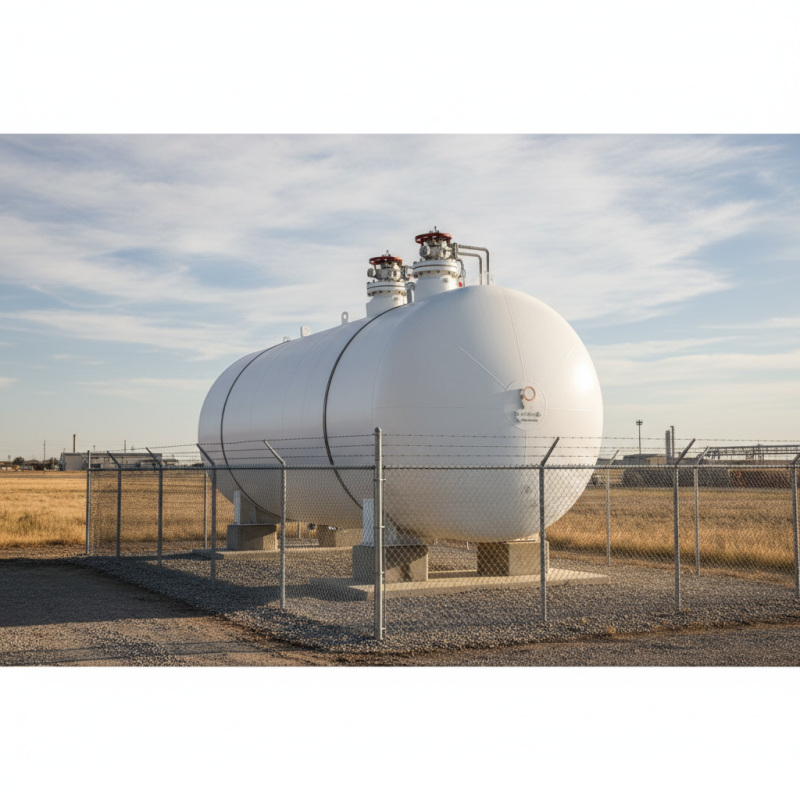
What You Need to Know About LPG Storage Tanks?
LPG Storage Tanks are crucial for safely storing liquefied petroleum gas. Understanding their features is vital for anyone involved in their use. These tanks come in various sizes and materials, each designed for specific purposes.
LPG Storage Tanks must be properly maintained to ensure safety. Regular inspections are necessary to identify potential leaks and corrosion. Ignoring these checks could lead to serious incidents.
Moreover, positioning of the storage tank matters significantly. It should be located away from buildings and flammable materials. Failing to consider these factors can have dire consequences. Therefore, knowledge of LPG Storage Tank safety is essential for all users.
Understanding LPG Storage Tanks: An Overview of Their Importance
LPG storage tanks play a crucial role in the energy landscape. These tanks store liquefied petroleum gas, a versatile fuel. Proper storage ensures safety and efficiency for both commercial and residential uses. Understanding their function is key to recognizing their significance.
Their design incorporates advanced safety features. For instance, many tanks have pressure relief valves. This prevents dangerous overpressure situations. Regular inspections are vital to maintain these features. Neglecting maintenance can lead to risks. Regular checks help ensure that potential leaks or structural issues do not develop.
In addition, understanding capacity and placement is essential. Tanks come in different sizes, catering to various needs. Larger tanks require more space and distance from ignition sources. This can complicate site selection. It’s important to evaluate these factors carefully. Mistakes in planning can lead to operational difficulties. Always consider the environment and local regulations. This responsibility ensures safe and effective use of LPG storage.
Key Design Standards and Regulations for LPG Storage Tanks
LPG storage tanks must adhere to stringent design standards and regulations. These guidelines ensure safety and efficiency in storage practices. According to industry data, the National Fire Protection Association (NFPA) emphasizes that proper tank design reduces risks of leaks and explosions. Regular inspections are also critical, as nearly 30% of incidents stem from equipment failure.
The American Society of Mechanical Engineers (ASME) outlines standards for tank construction and maintenance. These often include using quality materials, like carbon steel or stainless steel. Compliance helps prevent corrosion and extends tank life. However, some facilities still fail to meet these standards, leading to serious safety concerns.
Understanding pressure relief systems is vital. Tanks should have adequate relief valves to handle pressure changes. Inadequate design can result in dangerous situations. In fact, reports indicate that around 10% of LPG-related incidents happen due to pressure mismanagement.
Efforts to improve these standards are ongoing, but gaps remain. Education and training for workers are essential. Yet, many facilities do not prioritize this, leaving room for improvement.
Common Types of LPG Storage Tanks: Aboveground vs. Underground
When discussing LPG storage tanks, two main types come to mind: aboveground and underground. Aboveground tanks are often easier to inspect. They can be placed in open areas. Maintenance is simpler, and leaks or damages are easier to spot. However, they can be more vulnerable to harsh weather conditions. Sunlight and heavy rain may affect their integrity over time.
Underground tanks, on the other hand, offer some advantages in terms of safety and aesthetics. They are less likely to be affected by weather. Their discreet nature can make surrounding areas look more appealing. However, underground options can present maintenance challenges. Accessing these tanks for inspection or repairs can be difficult. Issues such as corrosion and leakage are harder to detect early.
Both types have their unique pros and cons. The choice largely depends on site conditions and safety priorities. Make sure to weigh these factors carefully when selecting the appropriate storage solution for LPG.
Safety Measures and Best Practices in LPG Storage Operations
LPG storage tanks play a crucial role in the safe handling of propane and butane. Implementing safety measures is essential for preventing accidents. Regular inspections are necessary to identify potential hazards. Ensure all valves and fittings are leak-proof. A small leak can lead to serious consequences. Proper maintenance is often overlooked, but it is vital.
Using appropriate signage around storage areas can enhance safety. This alerts workers and visitors to potential risks. Maintain clear access paths for emergency situations. Training employees on emergency procedures is also necessary. Clear protocols can save lives. Don’t skip training sessions, even if they seem redundant.
Tips: Always wear protective gear when handling LPG. It minimizes the risk of injury. Regularly check for signs of corrosion on tanks. This could prevent future leaks. Remember, complacency can breed mistakes, and vigilance is key in LPG operations. Stay informed about best practices, and encourage an open dialogue about safety concerns.
Maintenance and Inspection Protocols for LPG Storage Tanks
When it comes to LPG storage tanks, maintenance and inspection protocols are crucial. Regular inspections help identify corrosion and leaks. The National Fire Protection Association (NFPA) highlights that over 60% of LPG-related incidents stem from inadequate maintenance. This statistic underscores the importance of a proactive approach.
Every two to three years,
pressure testing of tanks should be performed. This ensures that structural integrity is maintained.
Routine checks on valves and connections are essential. A simple visual inspection can reveal
signs of wear and degradation. Regular cleaning of storage tanks is also critical. Dirt and debris can cause unexpected failures.
It's alarming to note that only about
30% of facilities follow standardized inspection schedules consistently. This gap presents a significant risk.
Emphasizing proper training for personnel is vital. Without skilled staff, the chances of overlooking critical maintenance tasks increase. A robust protocol can mitigate these risks and enhance safety standards for LPG storage.