Top Private Label Liquid Supplements for Global Buyers?
In the rapidly evolving health and wellness market, "Private Label Liquid Supplements" have gained substantial traction among global buyers. Industry expert Dr. Emily Chen, a leading figure in nutritional science, emphasizes, “The surge in demand for private label products reflects consumer confidence in personalized nutrition.”
The market for these supplements is diverse, offering a range of options from vitamins to herbal extracts. Buyers are increasingly drawn to private label brands for their potential to provide customized solutions. These products not only cater to specific health needs but also allow retailers to establish a unique brand identity. However, it is vital to approach this market with caution. Quality control and sourcing standards can vary widely among suppliers.
As the landscape becomes more competitive, innovation and transparency are critical. Retailers must ensure that their private label liquid supplements meet regulatory standards and deliver effective results. The challenge lies in finding trustworthy partners in a sea of options. It’s essential to remain vigilant and informed, as the industry is not without pitfalls. Buyers should carefully evaluate potential suppliers and prioritize those who demonstrate a commitment to quality and ethics.
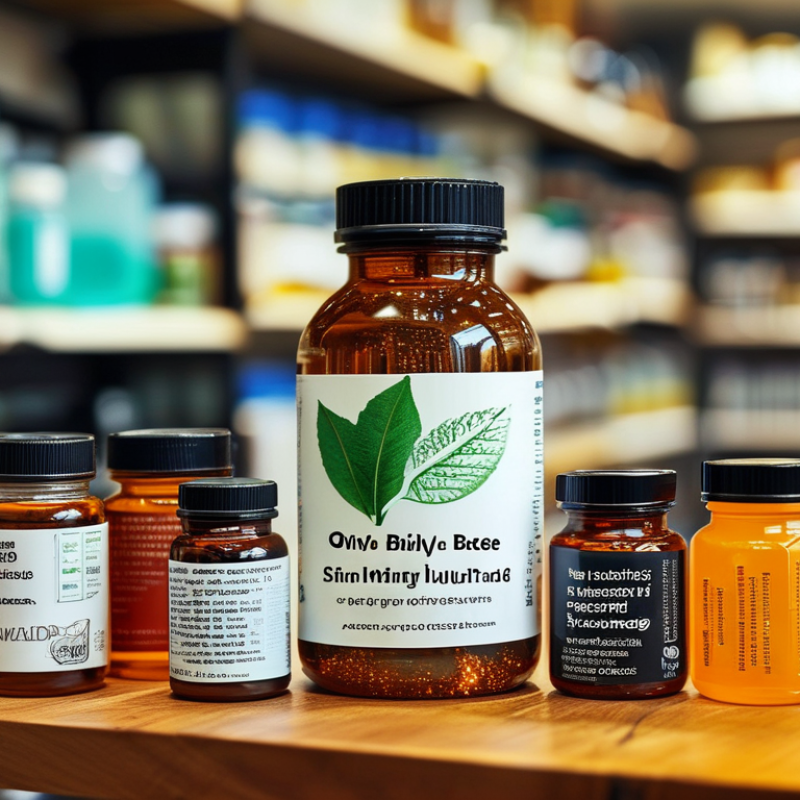
Top Trends in Private Label Liquid Supplements for Global Markets
Private label liquid supplements are gaining traction globally. They cater to health-conscious consumers looking for tailored solutions. Recent trends in this market highlight a growing demand for customization. Buyers seek unique formulations that address specific health concerns, such as immunity and energy.
The clean label trend is also prominent. Consumers prefer products with simple, recognizable ingredients. Transparency in sourcing is vital. It builds trust and loyalty. Brands that openly share their production processes are more likely to succeed.
For businesses entering this market, consider these insights. Understand consumer preferences through thorough research. Test formulations in small batches before a wider release. Engage with your audience for feedback. Continuous improvement is essential, as trends shift quickly. A responsive approach ensures that products meet current demands while fostering a loyal customer base.
Top Private Label Liquid Supplements for Global Buyers
| Product Type | Key Ingredients | Target Market | Growth Rate (%) | Health Claims |
| Multivitamin Liquid | Vitamins A, C, D, E, B Complex | General Health | 8% | Boosts Immunity |
| Collagen Liquid | Marine Collagen, Vitamin C | Beauty & Wellness | 12% | Supports Skin Health |
| Herbal Detox Tonic | Cleansing Herbs, Aloe Vera | Digestive Health | 10% | Detoxifies Body |
| Omega-3 Liquid | Fish Oil, DHA, EPA | Heart Health | 9% | Supports Heart Function |
| Electrolyte Drink | Sodium, Potassium, Magnesium | Fitness Enthusiasts | 15% | Hydration & Recovery |
Market Analysis: Growth Rates for Private Label Supplements Globally
The global market for private label liquid supplements is expanding rapidly. This growth is driven by increasing consumer demand for personalized nutrition. A shift towards health-conscious lifestyles contributes to the rising popularity of these products. Many buyers seek affordable alternatives to branded supplements, which private labels provide.
Research indicates that private label supplements see significant growth rates across regions. Countries in Europe and North America lead this trend. Consumers are becoming more aware of ingredient sourcing and transparency. As a result, they prefer products that clearly state their health benefits.
When choosing private label supplements, consider looking for third-party testing. This ensures quality and safety in the products you select. Pay attention to ingredients; seek out those with a clear purpose. High-quality supplements should list all components transparently. Transparency builds trust and confidence in the product.
Engaging with customer reviews offers insights into effectiveness. Reading about others' experiences can guide your decisions. Don’t hesitate to request product samples before committing. This process allows you to assess the supplement’s flavor and texture. The right choice can enhance your wellness journey significantly.
Key Ingredients Driving Private Label Liquid Supplement Demand
The demand for private label liquid supplements is rising steadily. Several key ingredients are driving this trend. For instance, adaptogens, known for their stress-relieving properties, have become increasingly popular. These herbs help to improve overall wellness. Customers are looking for solutions to manage anxiety and boost energy.
Another important ingredient is collagen. It supports skin health and enhances joint function. Many consumers are focusing on beauty from within. Liquid collagen offers better absorption compared to traditional powders. This factor can make a significant difference in the market.
Moreover, the trend of plant-based ingredients is gaining traction. Consumers want natural options without synthetic additives. Ingredients like turmeric and ginger are sought after for their anti-inflammatory benefits. However, the variety of products can overwhelm buyers. They may struggle to find trusted sources. Brands need to emphasize transparency and quality. This can help build consumer trust in a crowded market.
Consumer Preferences in Liquid Supplements: Insights from Recent Surveys
Consumer preferences in liquid supplements are evolving rapidly. Recent surveys reveal a growing demand for natural ingredients and convenient formats. Buyers prioritize safety and efficacy in their choices, often seeking third-party certifications. This shift indicates a more informed consumer base, which demands transparent information about product sourcing and testing.
When selecting liquid supplements, consider key factors like taste, nutrition, and packaging. The flavor can significantly influence daily compliance. Many consumers favor products that are easy to incorporate into their routines. Attractive and functional packaging can also sway their purchasing decisions.
It's essential to acknowledge that preferences may vary globally. Cultural influences play a significant role in dietary habits and supplement choices. Reflect on how these differences affect product formulation and marketing strategies. Engaging with consumers through surveys can help identify regional trends and preferences. Listening to feedback is crucial for developing products that truly meet the needs of a diverse audience. Stay flexible and open to change as consumer demands shift over time.
Regulatory Landscape for Private Label Supplements in Different Regions
The regulatory landscape for private label liquid supplements is complex and varies widely across regions. In the European Union, for instance, regulations require compliance with specific safety and labeling guidelines. According to a report from the European Food Safety Authority (EFSA), dietary supplements must be well-documented to ensure consumer safety. Claims about health benefits must be substantiated by scientific evidence. This places a considerable burden on supplement manufacturers to maintain high standards.
In contrast, the U.S. market has a more diverse framework. The Food and Drug Administration (FDA) oversees supplements but does not pre-approve them. It is important to note that, according to the Council for Responsible Nutrition (CRN), the market is estimated to reach $60 billion by 2025. This growth highlights the need for strict adherence to Good Manufacturing Practices (GMP). Manufacturers must ensure their products meet safety standards to avoid legal repercussions.
As businesses explore global markets, awareness of these regulations is crucial. Countries like Canada have their own unique guidelines, making it vital for companies to stay informed. The nuances within each market can lead to challenges. A one-size-fits-all approach may not work. Brands may need to invest in local expertise to navigate compliance effectively. In this evolving landscape, the responsibility to provide safe and reliable products falls on manufacturers.
Top Private Label Liquid Supplements Market Overview
This chart represents the market share of different categories of private label liquid supplements across various regions. The data indicates the increasing popularity of these products globally.
