What is the Role of Solenoid Valve in Irrigation Systems?
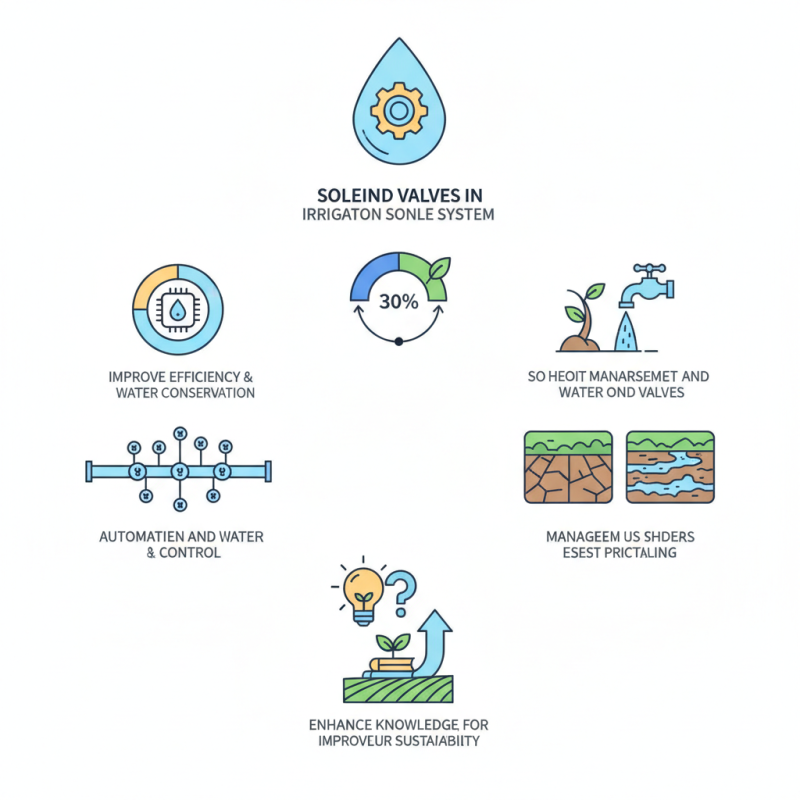
In modern agriculture, efficient water management is critical. The role of the Solenoid Valve In Irrigation Systems has garnered attention for its impact on water conservation. According to a report by the International Irrigation Association, proper valve selection can improve irrigation efficiency by up to 30%. This statistic highlights the importance of the solenoid valve in minimizing water waste.
Dr. Emily Carter, a leading expert in irrigation technology, notes, "The solenoid valve in irrigation systems acts as a crucial control point." Her insight reflects the growing reliance on automation in farming. The solenoid valve simplifies the irrigation process while ensuring optimal water distribution.
However, not all systems utilize these valves effectively. Mismanagement can lead to overwatering and underperformance. Farmers often face challenges in integrating these devices. Enhancing knowledge about the solenoid valve in irrigation systems could lead to improved practices. This understanding is essential for future agricultural sustainability.
Role of Solenoid Valves in Automating Irrigation Systems
Solenoid valves play a crucial role in automating irrigation systems. They act as the gatekeepers for water flow, allowing systems to work without constant manual intervention. When a voltage is applied, the coil in the solenoid creates a magnetic field. This field opens or closes the valve. As a result, water can be delivered precisely when needed, reducing waste.
In smart irrigation setups, solenoids receive signals from timers or sensors. This allows for tailored watering schedules. For example, a soil moisture sensor can signal the solenoid to open when the soil is too dry. It works seamlessly but can sometimes malfunction, leading to under or over-watering. Regular checks can help prevent these issues.
Tip: Consider installing a backup manual valve. This ensures you have control during power outages or malfunctions.
Another advantage of solenoid valves is their adaptability. You can program them with systems that detect the weather. Rainy days mean no watering is needed. Yet, if the system is misconfigured, water might still flow when it shouldn't. Each zone can have its own settings.
Tip: Regularly update your irrigation schedule. Adjust for seasonal changes or shifts in crop water needs. Maintaining those settings is tricky but necessary for optimal performance.
Importance of Solenoid Valves in Water Flow Control and Management
Solenoid valves play a crucial role in irrigation systems. They are essential for regulating water flow and ensuring efficient water management. These valves open and close under the control of an electric current. This allows for automated control of water distribution in gardens and agricultural fields.
Effective water flow control can save resources. Solenoid valves reduce water wastage and maintain optimal moisture levels. This is vital in regions prone to drought. By automating the flow, users can easily schedule irrigation. Proper timing can enhance plant growth and save energy.
Tips: Regularly check your solenoid valves for clogs or wear. Maintenance ensures they operate efficiently. Also, programming your irrigation schedule can prevent overwatering. Understand the specific needs of your garden or crops for better results. Consider installing rain sensors for improved water management.
What is the Role of Solenoid Valve in Irrigation Systems? - Importance of Solenoid Valves in Water Flow Control and Management
| Feature | Description | Benefits |
| Automated Control | Allows for remote operation of irrigation systems. | Saves time and labor; eliminates the need for manual valves. |
| Flow Regulation | Precise control over the water flow rate. | Enhances efficiency of water usage and reduces wastage. |
| Integration with Sensors | Can be connected to moisture sensors and timers. | Improves irrigation scheduling based on actual soil needs. |
| Durability | Designed to withstand various environmental conditions. | Longer lifespan reduces replacement costs. |
| Emergency Shut-off | Immediate response to system pressure changes. | Enhances system safety by preventing leaks and damage. |
Technical Specifications of Solenoid Valves Used in Irrigation
Solenoid valves play a critical role in irrigation systems by controlling the flow of water. These devices operate using electric currents to move a plunger, which opens or closes the valve. This mechanism allows for precise water management, making it essential for effective irrigation practices.
When discussing the technical specifications of solenoid valves used in irrigation, several factors come into play. The valve material is crucial; many are made of brass or plastic to resist corrosion. The flow rate, measured in gallons per minute (GPM), varies widely. Some valves can handle high pressures, which is vital for larger systems. It's important to choose a valve that can withstand environmental factors like temperature fluctuations and dirt.
However, selecting the right solenoid valve isn't always straightforward. Many find it challenging to navigate the specifications. This can lead to poor decisions impacting the system's efficiency. Inadequate research often results in mismatched components. It's essential to consider the compatibility with existing systems, as this oversight can lead to costly repairs. Thus, acknowledging the potential for misunderstanding specifications is important for effective irrigation solutions.
Impact of Solenoid Valve Efficiency on Water Conservation Practices
Solenoid valves play a crucial role in modern irrigation systems. By automating the flow of water, they ensure efficient use of resources. An efficient solenoid valve conserves water, reducing waste and promoting sustainability. It’s designed to open and close with precision, minimizing any leaks. However, even the best valves may have performance issues. Wear and tear can impact their efficiency over time.
The effectiveness of solenoid valves directly affects water conservation practices. When valves do not function properly, water may be wasted. This not only increases costs but also contributes to environmental degradation. Imagine a garden where water seeps out unnecessarily due to a faulty valve. It’s a frustrating scenario for any gardener. Regular maintenance is essential, yet often overlooked.
Implementing efficient solenoid valves can transform irrigation practices. Even small improvements in these components can lead to significant water savings. However, it's essential to monitor their performance regularly. Identifying issues early can save water before it’s too late. A proactive approach to maintenance can enhance both efficiency and sustainability in the long run.
Trends and Innovations in Solenoid Valve Technology for Agriculture
In modern agriculture, solenoid valves play a crucial role in irrigation systems. They control the flow of water and ensure efficient usage. Recent innovations have improved their functionality significantly. Newer models are more responsive and energy-efficient. This advancement reduces water waste, a critical factor in today’s farming.
Farmers must stay updated on these trends. Using smart solenoid valves can enhance crop yield. These valves can be integrated with sensors. This allows for real-time monitoring and adjustments. It’s essential to choose reliable systems, but not all options perform well in every condition. Testing in small-scale setups can reveal their effectiveness.
**Tips:** Consider soil moisture levels before selecting a valve. Ensure compatibility with existing irrigation systems. Regular maintenance is important. Check for leaks or clogs often. Always be ready to adjust settings based on environmental changes. Each farm has unique needs. Not all innovations will suit every situation perfectly. Flexibility and adaptability remain key.
