What is Swine Feed Additives and Their Benefits?
Swine Feed Additives play a crucial role in modern pig production. These additives enhance growth performance and improve feed efficiency. Dr. John Smith, an expert in animal nutrition, noted, "Swine Feed Additives are vital for healthier livestock." His words emphasize the importance of these products in the industry.
With the rising demand for pork, the need for effective additives grows. Farmers often seek ways to improve health and productivity. Swine Feed Additives can help achieve this goal. They can provide essential vitamins, minerals, and enzymes that pigs require for optimal growth.
However, the market is not without its challenges. Some additives might cause digestive issues or negative reactions in certain pigs. Understanding these risks is crucial for farmers. Continuous research and feedback from the field are necessary for selecting the right additives. The journey of finding balance in swine health continues, revealing both potential and pitfalls.
What are Swine Feed Additives?
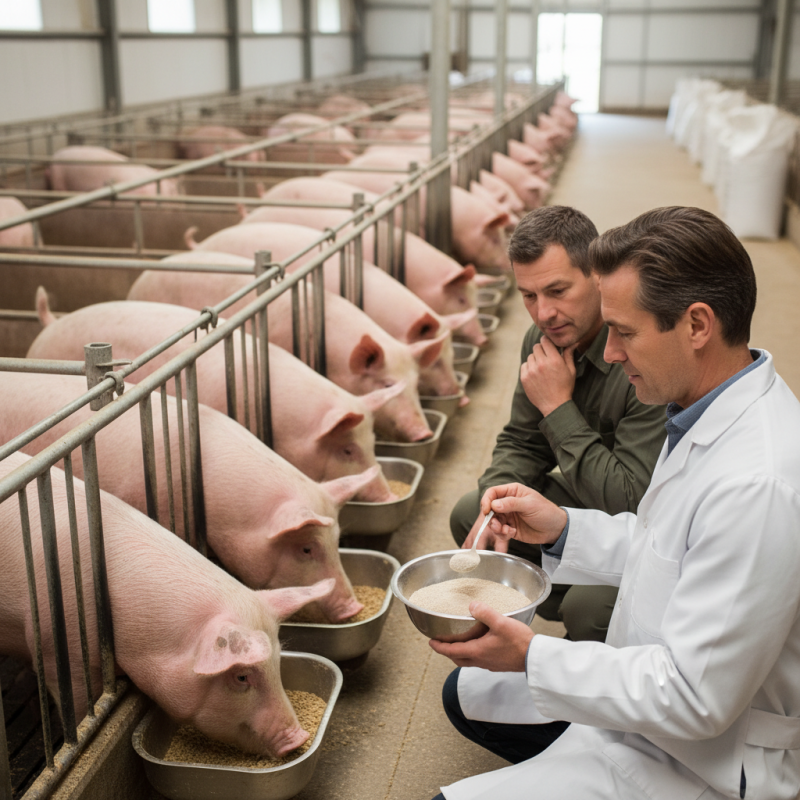
Swine feed additives play a critical role in enhancing the health and productivity of pigs. They are substances added to feed to improve growth, feed efficiency, and overall animal performance. Common types include vitamins, minerals, and probiotics. Each type serves a unique purpose. For instance, probiotics support gut health and digestion, which can lead to better nutrient absorption. This can result in healthier pigs and potentially higher meat quality.
In addition to improving health, these additives can also reduce the environmental impact of pig farming. Healthier pigs produce less waste and need less food, which can lower the carbon footprint. However, not all additives are created equal. Some may offer only marginal benefits. Producers should evaluate their options carefully. Choosing the right additives can be challenging.
Relying solely on additives without proper management practices may not yield the desired results. It is essential to adopt a comprehensive approach to swine nutrition. This includes regular health monitoring and ensuring a balanced diet.
Types of Swine Feed Additives Available
Swine feed additives play a crucial role in enhancing the health and productivity of pigs. There are several types of additives available in the market today. These include probiotics, prebiotics, enzymes, and organic acids. Each type serves a unique purpose in the diet.
Probiotics are live microorganisms that improve gut health. Research indicates that they can reduce gastrointestinal diseases in pigs by as much as 60%. Prebiotics, on the other hand, act as food for good bacteria, promoting their growth and overall gut flora balance. Enzymes help in breaking down feed components, improving nutrient absorption. According to a report by the National Animal Feed Alliance, using digestive enzymes can increase feed efficiency by up to 10%.
Organic acids contribute to lowering the pH in the gut, enhancing microbial balance. They are effective in reducing pathogenic bacteria, thus ensuring better herd health. However, the effectiveness of these additives can vary based on individual farm conditions and management practices. Conducting thorough trials is necessary to determine optimal usage for different farming scenarios. That said, the integration of various swine feed additives requires careful consideration. Balancing these elements can yield significant benefits but also poses challenges.
Key Benefits of Using Swine Feed Additives
Swine feed additives are crucial for optimizing pig health and productivity. These additives enhance nutrient absorption and promote growth. A report from the National Pork Board suggests that swine feed additives can improve feed efficiency by up to 10%. This means pigs convert more feed into body weight, resulting in less waste and lower feeding costs.
One major benefit is improved gut health. The use of probiotics and prebiotics helps maintain a balanced microbial environment in the digestive tract. According to research published by the Journal of Animal Science, pigs that receive these additives have a 15% reduction in intestinal disease incidents. Healthier pigs lead to better weight gain and overall performance.
However, relying on additives alone can lead to complacency in management practices. It’s essential to maintain good husbandry and proper nutrition alongside supplementation. Monitoring the overall diet is vital. Supplements should not replace a balanced diet but rather enhance it. Understanding this balance is crucial for livestock producers who aim to maximize their operations sustainably.
Impact of Feed Additives on Pig Health and Growth
Feed additives play a crucial role in pig production. These substances can enhance nutrient absorption, leading to better health and growth rates. According to recent industry reports, the use of specific feed additives can improve feed efficiency by 10-15%. This means pigs convert feed into body weight more effectively. It's a significant development for farmers striving to maximize productivity.
More importantly, some studies indicate that certain additives bolster the immune system of pigs. When pigs are healthier, they show fewer signs of disease. This reduces the need for antibiotics. Research shows that pigs receiving these additives have up to a 20% lower mortality rate. This data highlights the potential for better animal welfare.
However, the reliance on feed additives does raise questions. Are these additives always necessary? Some farmers express concern over their long-term effects. Balancing natural and enhanced feeding strategies is essential. There is a need for critical evaluation. Ensuring pigs are raised in a sustainable manner is a pressing issue in the industry today.
Regulations and Safety Considerations for Swine Feed Additives
When it comes to swine feed additives, regulations play a crucial role. The safety of these additives must be prioritized. Regulations vary by region, but most focus on ensuring that additives are safe for both animals and humans. This involves thorough testing and documentation of ingredients. However, not all products meet these standards.
Producers must be cautious. Some additives may promise quick results but lack proper safety evaluations. The risk of contamination is a real concern. Swine farmers need to be aware of the source of their additives. Transparency is essential for building trust in the supply chain. Regular audits and compliance checks can help maintain safety standards.
Balancing efficacy and safety can be challenging. Certain additives may enhance growth or feed efficiency but could have long-term effects. It’s essential to keep abreast of new research. Awareness of potential risks is vital in making informed decisions. Collaboration between producers and regulatory bodies fosters a safer environment for swine production.
