Top 10 Tiny House Prefab Designs for Global Buyers?
The popularity of Tiny House Prefab designs continues to grow worldwide. More people seek sustainable living options, and tiny homes are leading the way. Architect Elizabeth Turner, an expert in the field, states, "Tiny House Prefab designs open doors to minimalist living without sacrificing comfort."
These innovative structures reflect a lifestyle shift towards simplicity and eco-friendliness. Many buyers appreciate that they can own a home in a compact size. Each dimension matters in these homes, where clever layouts maximize every inch. Tiny homes not only reduce environmental impact but also emphasize personal values.
However, the journey to owning a Tiny House Prefab isn't without challenges. Sizing limitations can create obstacles. Buyers may struggle to adapt to less space. Additionally, zoning laws can complicate placement. Despite these concerns, the allure of a Tiny House Prefab persists, offering a fresh perspective on ownership and lifestyle.
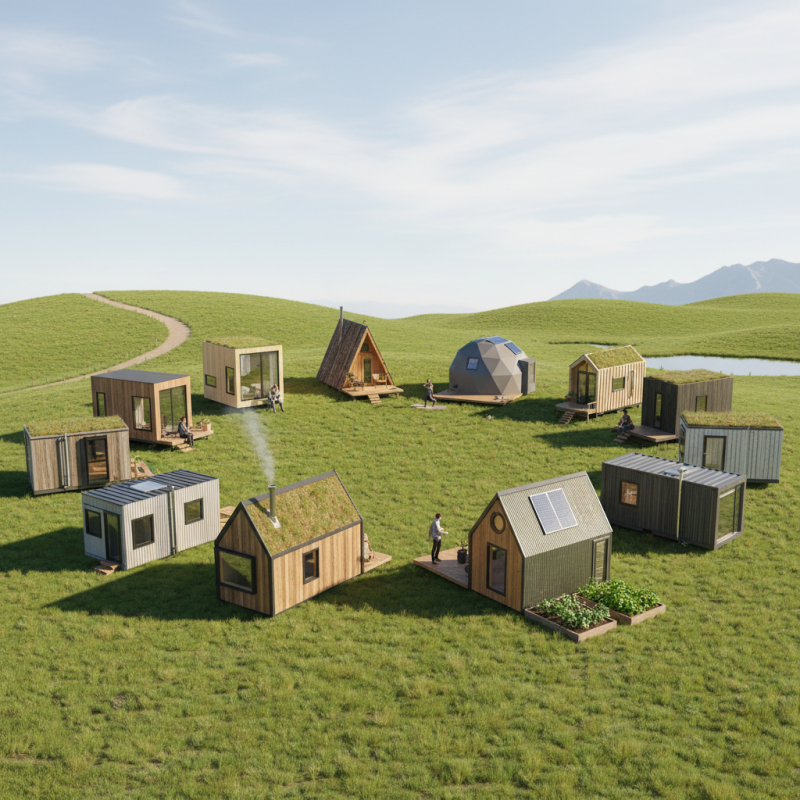
Top Characteristics of Tiny House Prefab Designs for Buyers
Tiny house prefab designs are gaining traction among buyers seeking sustainable living solutions. Reports indicate that nearly 68% of buyers prioritize affordability in these designs. A well-designed tiny house can cost approximately 50% less than traditional homes. This affordability appeals to individuals looking to downsize or to invest in rental properties.
Sustainability is another critical characteristic. Many prefab designs use eco-friendly materials and energy-efficient technologies. For instance, homebuilders are incorporating solar panels and rainwater harvesting systems. These features not only reduce utility costs but also minimize environmental impact.
Moreover, space optimization is vital in tiny house design. Quality prefab designs make the most of limited space through smart layouts. Multi-functional furniture, such as foldable tables and storage beds, maximizes usability. However, some buyers struggle with the challenge of living in such confined spaces. It’s a shift from traditional living, requiring thoughtful adaptation.
Trends Influencing the Popularity of Tiny House Prefabs Worldwide
The tiny house movement has gained significant traction globally. A simpler lifestyle appeals to many. People desire minimalism and eco-friendliness in their living spaces. Tiny house prefabs fit this need perfectly. These homes can be transported easily and set up quickly. Buyers appreciate the lower costs and reduced environmental impact.
Trends show a shift towards larger families seeking tiny homes. They look for innovative designs that maximize space. Multi-functional furniture has become essential. Some designs incorporate outdoor spaces, blending nature with living areas. However, it can be a challenge to balance aesthetics with functionality. Striking the right design can be difficult.
Cultural influences also shape preferences. In urban areas, space is limited, making tiny homes attractive. Yet, people often struggle with the idea of downsizing. Sentimental attachments to possessions can hinder this transition. Many buyers reflect on their needs before committing to such a lifestyle. While the appeal is strong, the journey towards tiny living requires thoughtful consideration.
Key Considerations Before Purchasing a Tiny House Prefab
When considering a tiny house prefab, several key factors come into play. First, evaluate the location. Ensure it aligns with your lifestyle needs. Proximity to essential services like grocery stores and hospitals matters. Furthermore, check local zoning laws. Many areas have regulations that may restrict where you can place a tiny home.
Another important aspect is the design. Each tiny house has unique features and layouts. Some are designed for maximum efficiency, while others focus on aesthetics. Assess your priorities. Will you need extra storage space or a large kitchen area? Understanding what you need helps narrow down options.
**Tips**: Consider the climate of your chosen location. Insulated designs are crucial in cold regions. Also, think about the size. Small doesn’t always mean cozy. Sometimes, a slightly larger footprint can improve livability. Lastly, budget for future maintenance. Tiny houses often have unconventional building materials, which may require specialized care. The long-term cost should never be overlooked.
Top 10 Tiny House Prefab Designs for Global Buyers
| Design Name | Size (sq ft) | Price (USD) | Key Features | Environmental Impact |
| Eco Cottage | 400 | $35,000 | Sustainable materials, off-grid capabilities | Low carbon footprint |
| Modern Minimalist | 300 | $28,000 | Compact design, natural light emphasis | Energy efficient |
| Rustic Retreat | 500 | $40,000 | Wood finishes, large porch | Sourced from local timber |
| Urban Loft | 350 | $30,000 | Smart storage solutions, rooftop terrace | Solar panels included |
| Beach Bungalow | 450 | $37,000 | Ocean view windows, open plan | Recycled materials used |
| Family Haven | 600 | $50,000 | Two bedrooms, spacious bathroom | Eco-friendly insulation |
| Mobile Escape | 250 | $25,000 | Lightweight, mobile design | Minimal land use |
| Luxury Loft | 700 | $75,000 | High-end finishes, modern amenities | Low energy consumption |
| Garden Pod | 300 | $22,000 | Accessible design, green roof | Promotes biodiversity |
| Nature Nook | 420 | $34,000 | Integration with landscape, large windows | Natural heating & cooling |
Sustainable Materials and Technologies in Tiny House Designs
Tiny house designs have gained popularity worldwide, especially for their sustainable approach. These homes often utilize eco-friendly materials that minimize environmental impact. For instance, reclaimed wood and bamboo are popular choices. They not only reduce waste but also offer unique aesthetics. Using natural insulation materials, like sheep’s wool, enhances energy efficiency too.
Additionally, new technologies play a crucial role. Solar panels are now common on tiny houses, providing clean energy. Rainwater collection systems are becoming standard, promoting water conservation. However, integrating these technologies can sometimes be a challenge. Some homeowners find it difficult to optimize energy systems in small spaces.
Another aspect to consider is the sourcing of materials. Not all suppliers offer sustainable options. Therefore, homeowners must do thorough research when selecting materials. This awareness can lead to better choices. Tiny homes encourage a simpler lifestyle, but reflection on one’s choices is vital for true sustainability. Each design presents both opportunities and challenges.
Profiles of Leading Tiny House Prefab Manufacturers and Their Offerings
The tiny house movement reflects a growing desire for minimalist living. Many manufacturers are stepping up to meet this demand with innovative prefab designs. These houses prioritize efficiency, aesthetics, and sustainability. They offer compact layouts, maximizing every square inch. The designs often feature large windows that invite natural light and create a sense of openness.
When choosing a tiny house prefab, consider your needs carefully. Assess your space requirements first. Not all designs suit every lifestyle. Think about mobility, too. If you plan to move frequently, look for lightweight options. Many manufacturers provide customizable features, such as foldable furniture, to help you optimize space.
Look at the materials used in construction. Eco-friendly options are becoming more popular. They not only reduce your carbon footprint but also enhance durability. You might encounter challenges when selecting the best manufacturer. Research their reputation and ask for references. Reliable builders should offer transparent communication and detailed information about their offerings.
