Top Golden Breadcrumbs Suppliers for Global Buyers
Choosing a supplier for Golden Breadcrumbs takes more than comparing prices. Color, particle size, flavor, and moisture can all affect how crumbs perform in a finished product. A fine, pale crumb may suit a coating line, while a coarser texture can add visible crunch to prepared foods. The right specification depends on the recipe and process. Small details matter.
For global buyers, supplier evaluation also means checking production consistency, ingredient and allergen information, packaging options, and export experience. Ask for a clear product specification and representative samples. Then test them under realistic conditions: fry or bake the coating, inspect its color, and check whether it stays crisp after holding. A sample is useful, but one test cannot answer everything. Results may shift with oil, equipment, or storage.
This guide explores what buyers can assess when comparing Golden Breadcrumbs suppliers, from product range and quality controls to communication and logistics. Reliable documentation and responsive answers are practical signs of a well-managed supplier, though they do not replace your own verification. Consider minimum order quantities, lead times, shipping protection, and how the supplier handles specification changes. A low quotation can look attractive; the full landed cost and consistency matter more. There is no single best supplier for every buyer. The strongest choice is the one whose product, records, and service fit your operation—and continue to do so across repeat orders.
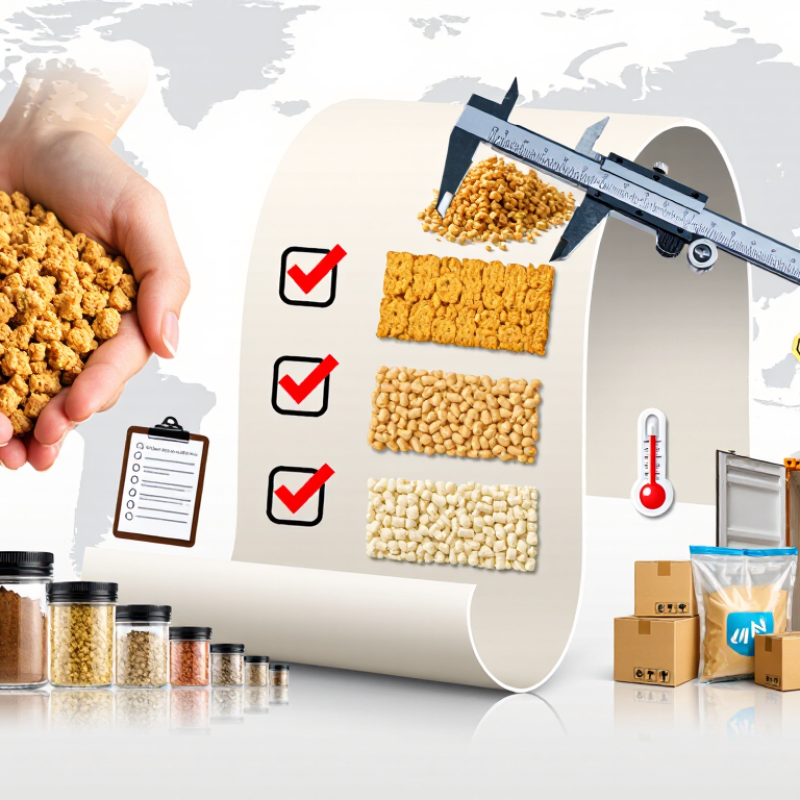
Understanding Golden Breadcrumbs and Their Global Market
Golden breadcrumbs are dried bread particles colored to give coatings a warm, consistent finish. Their texture ranges from fine crumbs for an even crust to coarse flakes that create a rougher crunch. The color should look uniform, not burnt or unusually bright. Small details matter. Particle size affects how crumbs cling to food, absorb oil, and perform during frying or baking.
Global demand comes from foodservice kitchens and manufacturers of frozen or ready-to-cook foods. Buyers often compare color, moisture level, crumb size, packaging, and consistency between shipments. Ask suppliers for ingredient specifications, allergen information, and relevant quality documents, then test samples in the intended recipe. A crumb that looks ideal in a bag may darken too quickly in a fryer. Regional preferences also vary: some markets favor a light golden coating, while others expect a deeper color and stronger crunch. Transport conditions can affect texture, so packaging and storage deserve attention. There is no single “best” specification; even a small variation in bread base can change the result.
Types of Suppliers Serving International Buyers
Golden breadcrumbs reach international buyers through several supplier models, and each suits a different purchasing setup. Ingredient manufacturers produce crumbs directly, often offering control over particle size, toast color, seasoning, and batch specifications. Their technical teams may provide product data and production details. Samples matter. Buyers should compare each sample with the written specification, not rely on color alone.
Export trading companies source from multiple processors and can coordinate mixed orders, export packing, and shipment communication. This may help buyers consolidating products from one region, though factory visibility can be limited. Ask who manufactures each lot and how changes are communicated. Regional distributors hold stock closer to customers, which can shorten replenishment time. Their available choices may be narrower.
Private-label or contract packers adapt recipes and packaging for a buyer’s market, including bag size, label language, and crumb texture. Confirm minimum order quantities, shelf-life evidence, moisture limits, and allergen-control procedures before approval. These details affect crispness during storage and performance on fried or baked foods. A polished sample is reassuring, but it does not prove routine consistency. I would treat that gap as a reason to request repeat-lot checks, not as a reason to dismiss a supplier.
Key Criteria for Evaluating Golden Breadcrumb Suppliers
When comparing golden breadcrumb suppliers, begin with product consistency, not the sales sheet. Request samples from different production lots. Check color, particle size, moisture, and toast level under the same lighting. A crumb that looks evenly golden in a photograph may appear pale or patchy in a coating test. Small differences matter. Test it on the food you actually plan to coat, since adhesion and crispness can change with the recipe and cooking method.
Review the supplier’s specifications for ingredients, allergens, shelf life, packaging, and storage conditions. Ask how batches are identified and whether production records can support traceability. Confirm the supplier can provide recent test documents and clear answers about quality checks. A certificate is useful, but it does not replace checking the product itself. Delivery reliability also deserves attention: ask about lead times, minimum order quantities, and how delays are communicated. It is easy to overlook packaging until a bag arrives damaged or the crumbs absorb moisture. A short trial order can reveal problems that paperwork misses.
Tips: Compare samples side by side. Keep notes on color, coating coverage, and crunch after cooking. Ask for records, then verify them. If a supplier’s answers are vague, pause before committing to a large order.
Quality Standards and Certifications to Verify
Golden breadcrumbs should arrive with a defined particle-size range, consistent color, and moisture limits that protect crispness. Ask suppliers for batch-specific certificates of analysis and the test methods behind them. Verify that food-safety certificates cover the actual production site and product scope, and check their validity with the certification body. HACCP-based systems and recognized schemes such as ISO 22000 or FSSC 22000 support documented hazard controls; a certificate alone cannot confirm daily performance.
The World Health Organization’s 2015 report, Estimates of the Global Burden of Foodborne Diseases, estimated 600 million foodborne illnesses and 420,000 deaths worldwide each year. That scale makes practical controls worth checking: allergen separation, sanitation records, traceability exercises, and pest monitoring. Request recent audit findings and corrective-action evidence, not just a certificate image. Golden color can vary with ingredients and processing, so agree on a visual reference sample and acceptable tolerances before shipment.
Tips: Ask for a sealed sample from the intended production line. Compare its aroma, crunch, and coating performance after frying. Check packaging seals and storage conditions on arrival. Paperwork can look perfect; factory practice may still fall short.
Sourcing, Shipping, and Import Considerations for Buyers
Choosing a golden breadcrumb supplier starts with a precise product specification. State the crumb size, color range, ingredients, moisture level, and intended use, such as coating or topping. A sample can reveal how the crumbs brown and cling during cooking. Ask suppliers how they control batch variation and protect products from moisture. Small details matter.
Before placing a large order, confirm packaging size, pallet configuration, production lead time, and minimum order quantity. Request current product specifications and relevant food-safety documentation, then check that names and lot codes match across records. Requirements vary by destination, so buyers should verify ingredient declarations, labeling rules, and import documents with local authorities or a qualified customs professional. Do not assume one shipment’s paperwork will fit every market.
Shipping conditions deserve equal attention. Moisture-resistant inner liners and sound outer cartons help preserve texture during long transit, but packaging should suit the route and climate. Confirm the shipping temperature and humidity expectations, and ask how damaged cartons or delays are handled. Allow extra time. A low quote may exclude freight, insurance, inspection, or port charges; compare the full landed cost instead. I would still build in a buffer, because even a well-planned shipment can arrive later than expected.
