
2026 Top Herbal Capsules Suppliers for Global Buyers
Choosing reliable Herbal Capsules suppliers in 2026 requires more than comparing prices or attractive catalogues. Global buyers need evidence of quality, consistency, and responsible manufacturing. This guide introduces leading supplier types, evaluation criteria, and practical questions for international sourcing teams.
Experienced buyers often begin with botanical identity testing. They also review certificates of analysis, batch records, allergen statements, and stability data. A professional supplier should explain its raw material origin clearly. For example, the supplier might identify the plant species, extraction ratio, harvest region, and capsule shell composition. Small details matter.
Look for facilities operating under recognized GMP standards. Independent testing can strengthen confidence, especially for heavy metals, microbes, pesticides, and undeclared ingredients. However, a certificate alone is not proof of every quality claim. Documents should match the actual batch. This point is sometimes overlooked.
Reliable suppliers also support traceability from farm or processor to finished product. They should provide clear packaging specifications, shelf-life information, shipping conditions, and complaint procedures. Buyers must verify import rules, labeling requirements, and permitted health claims in each destination market. Regulations differ widely.
Supplier reputation deserves careful review. Long-term customer references, transparent communication, and consistent response times reveal practical experience. Still, no supplier is perfect. Even strong systems may require follow-up audits and corrective action. A thoughtful sourcing decision balances quality, compliance, price, capacity, and ethical expectations.
This overview is designed for distributors, private-label brands, retailers, and healthcare-focused businesses seeking dependable global partners. It emphasizes verifiable evidence rather than promotional language. The goal is simple: safer decisions, clearer comparisons, and fewer costly surprises.
What Herbal Capsules Are and Why Global Buyers Need Reliable Suppliers
2026 Top Herbal Capsules Suppliers for Global Buyers
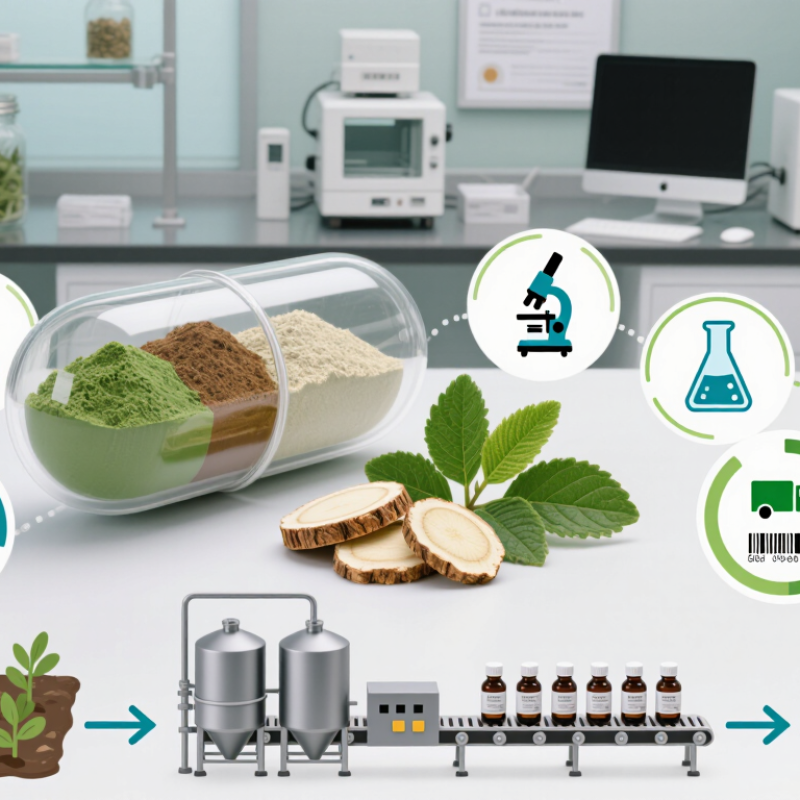
Herbal capsules contain measured botanical powders or extracts inside gelatin or plant-based shells. Their convenience is clear: a buyer can ship, store, and use them more easily than loose herbs. Yet plant materials naturally vary by harvest, soil, drying method, and extraction process. Reliable suppliers help control that uncertainty.
Global buyers need more than attractive samples. They should request botanical identity testing, batch-specific certificates of analysis, contaminant screening, and clear traceability records. Good suppliers can explain where ingredients come from and how capsule weight, potency, and stability are checked. Manufacturing practices, packaging protection, and export documentation also matter. Product claims must fit the destination market’s rules. One document cannot prove everything.
Tips: Ask for recent test reports, not generic templates. Compare the labeled amount with laboratory results. Check storage conditions, shelf-life data, and recall procedures. Start with a small approved batch before placing larger orders. Communication speed is useful, but technical answers matter more.
A practical review should include quality systems, production capacity, and response plans for shortages. Suppliers that welcome audits usually offer stronger visibility. Still, no checklist is perfect. Certificates may be accurate yet incomplete, especially when testing methods differ between countries. I would question unclear specifications, rushed approvals, and unusually low prices. Dependability is built through repeated evidence, not promises.
2026 Top Herbal Capsules Suppliers for Global Buyers - What Herbal Capsules Are and Why Global Buyers Need Reliable Suppliers
| Herbal Ingredient | Common Capsule Form | Recognized Marker or Key Constituents | Typical Sourcing Regions | Recommended Quality Tests | Documents Global Buyers Should Request | Important Regulatory and Purchasing Considerations |
|---|---|---|---|---|---|---|
| Turmeric | Curcuma longa rhizome powder or standardized extract | Curcuminoids, commonly expressed as total curcuminoid content | India and other tropical or subtropical growing regions |
|
Certificate of analysis, specification sheet, allergen statement, non-GMO statement where applicable, and country-of-origin information | Buyers should distinguish plain turmeric powder from a concentrated extract and verify whether the declared assay refers to total curcuminoids or a specific curcuminoid profile. |
| Ashwagandha | Withania somnifera root powder or root extract | Withanolides; the plant part used should be clearly identified | India and selected dry regions in South Asia |
|
Botanical specification, certificate of analysis, test-method details, stability information, and traceability records | Root-only and root-and-leaf materials are not interchangeable. Buyers should confirm the declared plant part, extraction ratio, and local market compliance before import. |
| Milk Thistle | Silybum marianum fruit powder or standardized extract | Silymarin complex, commonly standardized by total silymarin content | Mediterranean regions, Europe, and parts of Asia |
|
Certificate of analysis, chromatographic fingerprint, product specification, shelf-life data, and packaging details | Suppliers should state whether the material is fruit powder or extract and identify the extraction solvent when an extract is supplied. |
| Echinacea | Echinacea purpurea or Echinacea angustifolia aerial-part or root preparation | Alkamides, caffeic-acid derivatives, and species-specific phenolic compounds | North America and cultivated European growing regions |
|
Botanical identification report, certificate of analysis, cultivation or collection details, and contaminant test results | Echinacea species and plant parts have different chemical profiles. The label and specification should not use “echinacea” without further botanical clarification. |
| Panax Ginseng | Panax ginseng root powder or ginsenoside-standardized extract | Ginsenosides, including major Rb1, Rg1, and related compounds | China, South Korea, Canada, and other regulated cultivation areas |
|
Certificate of analysis, ginsenoside chromatogram, cultivation origin, harvest information, and applicable certification records | Panax ginseng should be differentiated from American ginseng and other Panax species. Buyers should specify the age, plant part, and ginsenoside profile where relevant. |
| Ginger | Zingiber officinale rhizome powder or ginger extract | Gingerols, shogaols, and volatile oil components | India, China, Nigeria, Peru, and other warm agricultural regions |
|
Certificate of analysis, specification sheet, country-of-origin declaration, allergen statement, and shelf-life information | Powder and extract have substantially different concentrations and sensory characteristics. Buyers should define particle size, extract ratio, and acceptable pungency. |
| Garlic | Garlic bulb powder, aged garlic preparation, or odor-controlled extract | Organosulfur compounds, including alliin and related sulfur compounds | China, India, South Korea, Spain, and other major garlic-growing regions |
|
Certificate of analysis, odor-control statement when applicable, stability data, allergen information, and packaging specifications | Different processing methods produce different sulfur-compound profiles. Buyers should specify whether the product is raw powder, aged preparation, or a standardized extract. |
| Peppermint | Mentha × piperita leaf powder or peppermint leaf extract | Menthol, menthone, and other essential-oil constituents | Europe, North America, North Africa, and parts of Asia |
|
Certificate of analysis, botanical identification, volatile-oil profile, allergen statement, and storage requirements | Leaf powder and essential-oil-rich extracts are different product categories. Buyers should confirm intended use, sensory specifications, and applicable concentration limits. |
| Valerian | Valeriana officinalis root powder or root extract | Valerenic acids and related sesquiterpenes | Europe, North America, and cultivated temperate regions |
|
Certificate of analysis, chromatographic fingerprint, extraction details, stability data, and odor-control information | Root preparations can have a strong natural odor. Buyers should establish odor, color, assay, and capsule-fill specifications before production. |
| Green Tea | Camellia sinensis leaf powder or catechin-standardized extract | Epigallocatechin gallate and other catechins; caffeine may also be present | China, Japan, India, Sri Lanka, Kenya, and other tea-growing regions |
|
Certificate of analysis, catechin and caffeine profile, pesticide-residue report, origin statement, and stability information | Caffeine content should be declared or controlled according to the destination market. Extract specifications should state the ratio of catechins and the extraction process. |
| Common Supplier Qualification Requirements | Finished capsules, bulk powder, or standardized botanical extract | Assay, identity, purity, capsule-shell composition, and batch consistency | Supplier location may be domestic or international; origin must be documented for each raw material |
|
Current GMP evidence, certificate of analysis for each batch, product specification, traceability records, recall procedure, allergen statement, and certificates required by the destination market | Reliable suppliers should provide transparent specifications, validated test methods, change-control procedures, documented traceability, and clear lead-time and minimum-order information. |
Related Posts
-
Herbal Capsules 2025 Innovations and Essential Approaches for Global Buyers
-
Why You Should Consider Taking Turmeric Extract Capsules for Your Health?
-
Futureproofing Manufacturing Strategies in 2025 with the Best Powder Manufacturer
-
Unlocking the Natural Power of Turmeric Extract Capsules for Enhanced Wellness
-

What is the Power of Organic Curcumin in Everyday Wellness
-
The Surprising Health Benefits of Turmeric Powder: Nature's Golden Spice Explained