Top 10 Pp Woven Bag Suppliers in China You Must Know?
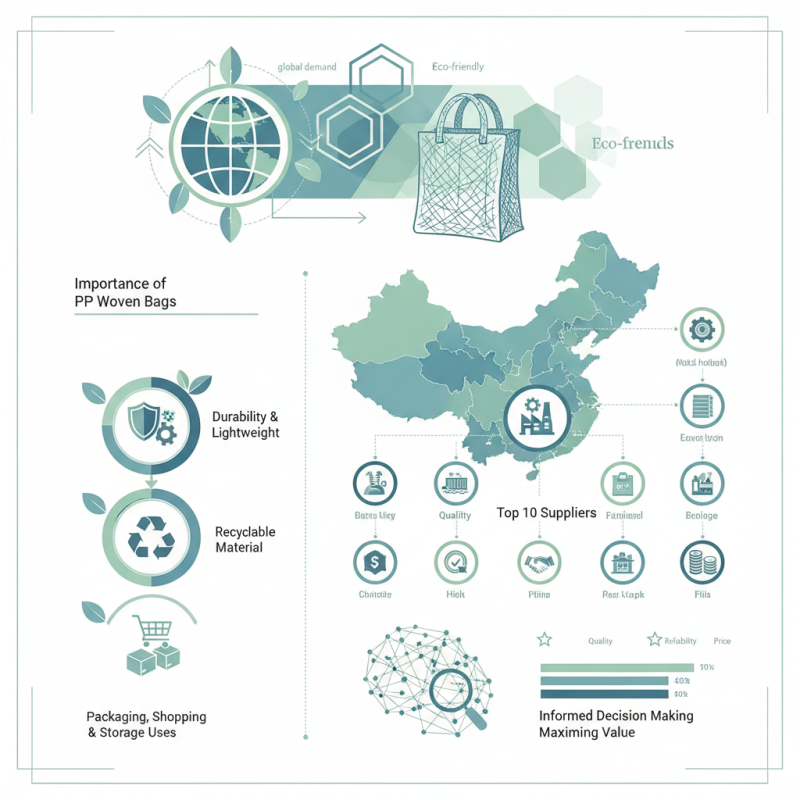
As global demand for eco-friendly products rises, Pp Woven Bags are becoming increasingly important. These bags are durable, lightweight, and recyclable, making them a preferred choice for various industries. They are widely used for packaging, shopping, and storage. Understanding the market for PP woven bags in China is essential for businesses looking to source these products.
In this introduction, we explore the top suppliers of PP woven bags in China. Choosing the right supplier can be challenging. Several factors must be considered, including quality, reliability, and price. Many companies offer a range of styles and specifications. However, not all suppliers meet the necessary standards.
Getting insights from experienced professionals in the field can provide valuable guidance. This article aims to present a well-rounded view of the top ten suppliers. Each supplier is evaluated based on their expertise, product offerings, and reputation in the industry. Making a well-informed decision is crucial for maximizing value in your procurement process.
Top 10 PP Woven Bag Suppliers in China: Industry Overview and Insights
The PP woven bag industry in China has seen significant growth in recent years. This surge can be attributed to increased demand for durable and eco-friendly packaging solutions. Many companies are now focusing on innovative designs that enhance functionality. Alongside this, there is a push towards sustainability, and manufacturers are exploring bio-based materials.
Understanding the competitive landscape is essential. Numerous suppliers contribute to this dynamic market, each with unique strengths. Some excel in large-scale production, while others focus on custom solutions tailored to specific needs. Quality control remains a challenge for many, and addressing this issue is crucial for maintaining reliability. Investment in technology and training can improve processes but often comes with financial hurdles.
It's important to consider market fluctuations too. Economic shifts can impact supply chains and production costs. Supplier relationships often determine a company's success in this industry. Navigating these complexities requires experience and keen insights. Building lasting partnerships is essential for fostering growth and maintaining a competitive edge.
Market Share Analysis of Top PP Woven Bag Suppliers in China
The landscape of PP woven bag suppliers in China is quite dynamic. Many key players dominate the market, contributing to a significant share of the industry. This market is characterized by various factors including production capacity, quality control, and distribution networks. Understanding these elements is vital for anyone looking to engage with PP woven bags, whether for manufacturing or retail.
Market share analysis shows that a few specific suppliers lead the pack. Their influence stems from years of experience in the industry. These top suppliers have established robust relationships with raw material providers. They prioritize sustainability and innovation, ensuring their products meet modern standards. However, it is essential to reflect on areas like environmental impact. Some practices may require improvement to align with global sustainability goals.
Evaluating the suppliers reveals gaps in customer service and adaptability. Some companies struggle to respond to market changes swiftly. This can impact their competitiveness. Therefore, potential clients must look beyond just market share. They should assess the suppliers’ ability to respond effectively to client needs. Engaging with companies that value improvement and customer satisfaction is crucial for long-term success in this sector.
Key Characteristics of High-Quality PP Woven Bags for Suppliers
When selecting PP woven bags, it’s crucial to understand their key characteristics. High-quality bags are made from durable polypropylene material. This ensures they can withstand heavy loads without tearing. A reliable supplier will prioritize this aspect during production.
The quality of stitching is another important factor. Strong, tight seams prevent the bags from coming apart. Quality control during the manufacturing process is essential. Suppliers who implement rigorous checks tend to produce superior products. Some bags may appear sturdy at first glance, but weak seams can lead to issues later.
Additionally, UV resistance is a sought-after feature. UV rays can degrade materials over time. Quality bags maintain their integrity even under harsh sunlight. Suppliers need to provide information on this aspect.
However, not all suppliers meet this standard, leaving room for disappointment. This inconsistency highlights the need for thorough research when choosing a supplier.
Lastly, the bag's weight capacity is vital. Some bags may not support heavy items effectively. Understanding the intended use helps in selecting appropriately sized bags. Always consider these characteristics to ensure a reliable purchase.
Sustainability Practices Among Leading PP Woven Bag Manufacturers in China
In recent years, sustainability has become crucial for various industries, including the PP woven bag sector in China. Many manufacturers are adopting eco-friendly practices. They focus on using recycled materials in production. This reduces waste and encourages a circular economy. Various factories are also exploring biodegradable alternatives. However, the transition is often met with challenges.
Some suppliers still rely heavily on conventional materials. This reliance can lead to higher carbon footprints. Education on sustainable practices is lacking in certain areas. Manufacturers need to understand the long-term benefits of sustainable choices. Training programs can help bridge this knowledge gap. The industry's future hinges on effective collaboration between companies committed to sustainability.
Moreover, certifications play a vital role. They assure clients of a supplier's commitment to eco-friendly methods. Nonetheless, not all companies prioritize obtaining such certifications. This inconsistency can create distrust among consumers. Transparent supply chains encourage accountability and improve brand reputation. The industry's evolution relies on a collective effort to embrace sustainability more thoroughly.
Challenges Facing PP Woven Bag Suppliers in the Chinese Market
The PP woven bag industry in China faces numerous challenges. Demand for sustainable packaging options is rising. This shift forces suppliers to re-evaluate their traditional offerings. According to industry reports, over 60% of consumers prefer eco-friendly solutions. This trend pressures suppliers to innovate their materials.
Another significant challenge is the increasing cost of raw materials. Polypropylene prices have fluctuated widely in recent years. Suppliers find it hard to maintain profit margins amid these changes. Recent data indicates that around 40% of suppliers struggle with pricing pressures. Many are forced to raise prices, risking customer retention.
Tips: Staying updated with market trends is vital. Suppliers should conduct regular surveys to gauge customer preferences. Investing in R&D can enhance product diversity. Engaging with local communities can bolster reputations and create loyalty.
Digital transformation poses another hurdle. Many suppliers lack the necessary technology to streamline operations. Those who adapt quickly often outpace competitors. Embracing automation and data analytics can lead to greater efficiency. Suppliers might face barriers in workforce training, making it tough to implement these changes effectively.
