What Are the Top Seed Supplements for Global Buyers?
Global buyers face a crowded market for Seed Supplements. Flaxseed, chia, pumpkin, sunflower, and sesame products differ in nutrients, processing, flavor, and intended use. A label alone cannot tell the whole story. Buyers should compare ingredient identity, serving size, oil stability, and available quality documentation.
Nutrition researcher Dr. Joan Sabaté, known for research on nuts and dietary health, offers a relevant perspective. A careful paraphrase of his research is: “Judge nutrient-rich foods by their evidence and place in the overall diet, not by health claims alone.” That distinction matters. Seed supplements are not interchangeable, and evidence for one ingredient should not be assumed to apply to another.
For global sourcing, practical checks include traceable origin, consistent specifications, clear allergen information, and testing appropriate to the product. Ask suppliers how they control moisture, oxidation, and batch variation. Request current certificates and test reports, then verify what each document actually covers. Certification names can sound reassuring, but scope matters.
Small details count. A rancid odor, unclear botanical name, or missing lot code deserves attention. Buyers should also assess packaging against shipping conditions, especially heat and humidity. Product rules and labeling expectations vary by destination, so confirm requirements with qualified local advisers before import. This guide compares leading options through those buyer-focused criteria. It also notes where evidence remains limited. No single seed suits every market, formulation, or customer.
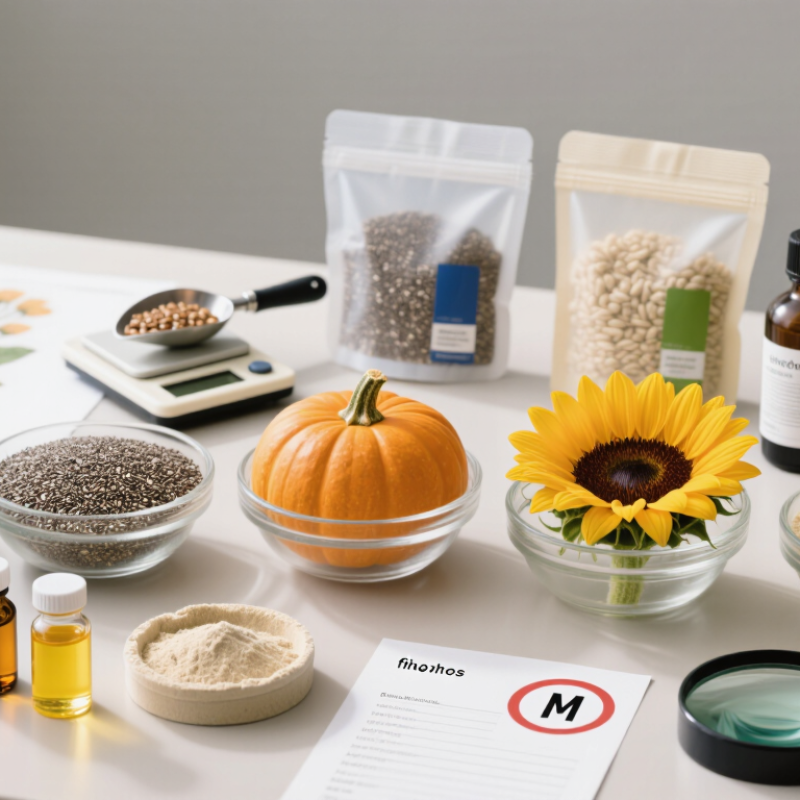
What Seed Supplements Are and How They Are Made
Seed supplements are concentrated foods made from seeds such as flax, chia, pumpkin, sesame, or sunflower. They may be sold whole, milled, pressed into oils, or processed into protein and fiber powders. The format affects what remains: pressing removes much of the oil, while milling retains more of the seed’s original components. Not magic. Nutrient levels can vary with crop, harvest, and storage.
Production usually starts with cleaning and inspecting harvested seeds. They are dried when needed, then ground, pressed, or separated into specific fractions. Powders may be sifted for a finer texture; oils may be filtered to remove particles. Reliable makers test batches for identity, quality, and contamination, though testing methods can differ. Heat, light, and air can degrade some oils, so sealed, opaque packaging matters. Processing details are not always easy to verify, and that deserves attention.
Tips: Check the ingredient list, serving size, and storage instructions. Choose fresh, sealed products, and ask about batch testing. Seeds can trigger allergies or affect digestion; seek professional advice if you have a medical condition or take medication.
Which Seed Supplements Are Most Popular Worldwide
Across global markets, chia, flaxseed, pumpkin, sesame, and sunflower supplements are among the most familiar choices. Popularity varies with regional diets, price, and availability, so there is no reliable worldwide ranking. Chia is often sold whole or milled and thickens quickly in water. Flaxseed is commonly ground for easier use in foods such as oatmeal or yogurt.
Small details matter.
Pumpkin seed products, including powders and oils, appeal to buyers seeking a savory flavor or an easy addition to smoothies. Sesame supplements may appear as seeds, powders, or oils, but sesame is a major food allergen and should be clearly identified on labels. Sunflower seed products offer another mild-tasting option. Nutrient content differs by processing, serving size, and product, so claims deserve a careful look.
For comparison, check the ingredient list, serving size, freshness date, and available quality-testing information. Choose products with clear sourcing and no unnecessary blends if you want to know exactly what you are taking. Seeds can add fiber, but a sudden increase may upset digestion; start with a modest serving and drink enough water.
Still, taste wins.
A supplement that sits unused in the cupboard is not much help.
Key Nutrients and Uses of Common Seed Supplements
Chia, flax, and pumpkin seeds offer distinct nutrients, so the best choice depends on the label and intended use. USDA FoodData Central lists about 9.8 grams of fiber and 4.7 grams of protein in 28 grams of chia seeds. Their gel-forming fiber works well in oatmeal or yogurt. It thickens quickly. Ground flaxseed provides plant-based omega-3 fat: USDA data show roughly 6 grams of alpha-linolenic acid per 28-gram serving. Grinding helps make its nutrients more accessible; whole seeds may pass through largely intact. Small detail, real difference.
Pumpkin seed kernels supply protein and magnesium. USDA FoodData Central reports roughly 8.5 grams of protein and 150 milligrams of magnesium per 28 grams. That makes them a practical addition to soups or snack mixes, though amounts vary by processing and serving size. The NIH Office of Dietary Supplements sets adult magnesium needs at 310–420 milligrams daily, depending on age and sex; seeds contribute, but do not meet everyone’s needs alone. Sesame seeds add copper and calcium, yet hulled and unhulled products differ substantially. Check ingredient lists, serving sizes, and allergen notices. A supplement powder can be convenient, but it is not automatically better than food. I’d compare the actual nutrient panel before choosing.
How Global Buyers Can Compare Quality and Safety
What Are the Top Seed Supplements for Global Buyers?
How Global Buyers Can Compare Quality and Safety
For flax, chia, pumpkin, or black-seed supplements, treat the label as a starting point, not proof. The Council for Responsible Nutrition’s 2023 Consumer Survey reported that
74% of U.S. adults use dietary supplements.
High demand makes batch consistency important, but popularity says nothing about purity. Details matter.
Ask for a certificate of analysis tied to the exact lot number. It should identify the seed species and report relevant tests, such as heavy metals, pesticides, and microbial contamination. For seed oils, request oxidation measures, including peroxide value, where appropriate. Check that an independent laboratory performed the tests, and confirm its accreditation, such as ISO/IEC 17025. A generic certificate is weaker evidence.
The U.S. Food and Drug Administration does not approve dietary supplements for safety and effectiveness before they reach the market. Compare ingredient names, plant parts, serving sizes, allergen statements, storage instructions, and expiry dates. USP Verified or NSF certification can offer added checks, but review what each program actually covers. Not a guarantee. I would still hesitate when a seller shares polished claims but withholds lot-specific results; clear documentation matters more than confident wording.
What to Check When Sourcing Seed Supplements Internationally
What Are the Top Seed Supplements for Global Buyers?
What to Check When Sourcing Seed Supplements Internationally
When comparing chia, flax, pumpkin, or sesame supplements, start with identity, not price. Confirm the botanical name, seed part, processing method, and whether the product is whole, milled, or oil-based. Ask for a recent certificate of analysis tied to the exact lot. It should show identity, moisture, microbial results, and relevant pesticide, heavy-metal, and mycotoxin testing. Independent testing by an ISO/IEC 17025-accredited laboratory adds useful assurance, but it does not replace supplier audits or clear traceability. Details matter.
Storage deserves equal attention. A finely milled seed product can oxidize faster than intact seeds, especially in warm, humid transit. Check the packaging barrier, production and expiry dates, shipping conditions, and the supplier’s method for managing rejected or delayed lots. FAO’s 2023 report on food loss estimated that 13.2% of food was lost after harvest and before retail in 2021. That broader figure is a reminder to examine handling at every handoff; it is not a seed-specific loss rate. A polished document is not proof that a shipment stayed dry.
Tips: Request a sample and a lot-specific test report before placing a large order. Compare the report with your destination market’s requirements, and ask who performed each test. Keep one sealed reference sample from every accepted shipment. Small step. It can help resolve disputes when color, odor, or freshness differs from the specification.
Protein and Dietary Fiber in Common Seed Ingredients
Nutrient content per 100 g of selected seeds; values vary by variety and processing.
For international sourcing, confirm the exact seed species and product form, request a current certificate of analysis, and check contaminant testing, allergen declarations, traceability, and destination-market requirements.
Nutrition data: USDA FoodData Central entries for chia seeds, flaxseed, roasted pumpkin seed kernels, sunflower seed kernels, and whole dried sesame seeds.