Top Seed Supplements for Optimal Health in 2025 You Need to Know
In the realm of health and wellness, seed supplements have emerged as a significant focal point for consumers seeking natural solutions to enhance their nutritional intake. With the global dietary supplements market projected to reach $230 billion by 2027, according to a report by Grand View Research, the popularity of seed-based products underscores their value in supporting various health outcomes. These potent nutritional powerhouses, rich in essential fatty acids, proteins, and antioxidants, are increasingly recognized for their role in promoting optimal health and preventing chronic diseases.
Recent studies indicate that specific seed supplements, such as chia, flax, and pumpkin seeds, are not only beneficial for cardiovascular health but also aid in weight management and inflammation reduction. For instance, the Journal of Nutrition reported that flaxseed supplementation can reduce systolic blood pressure by up to 10 mm Hg, reinforcing the significance of these supplements in cardiovascular care. As we look towards 2025, understanding the science behind seed supplements and their health benefits will be crucial for consumers and health practitioners alike, as they navigate the ever-evolving landscape of nutritional supplementation. The awareness of these products will likely influence dietary choices and lifestyle modifications that promote overall well-being.
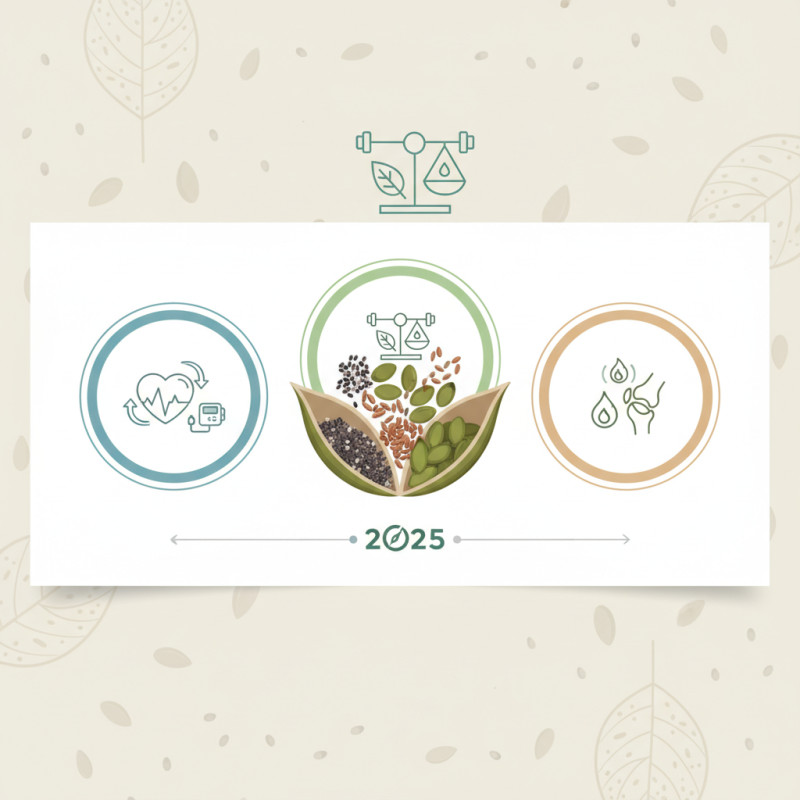
Top Seed Supplements Gaining Popularity for Optimal Health in 2025
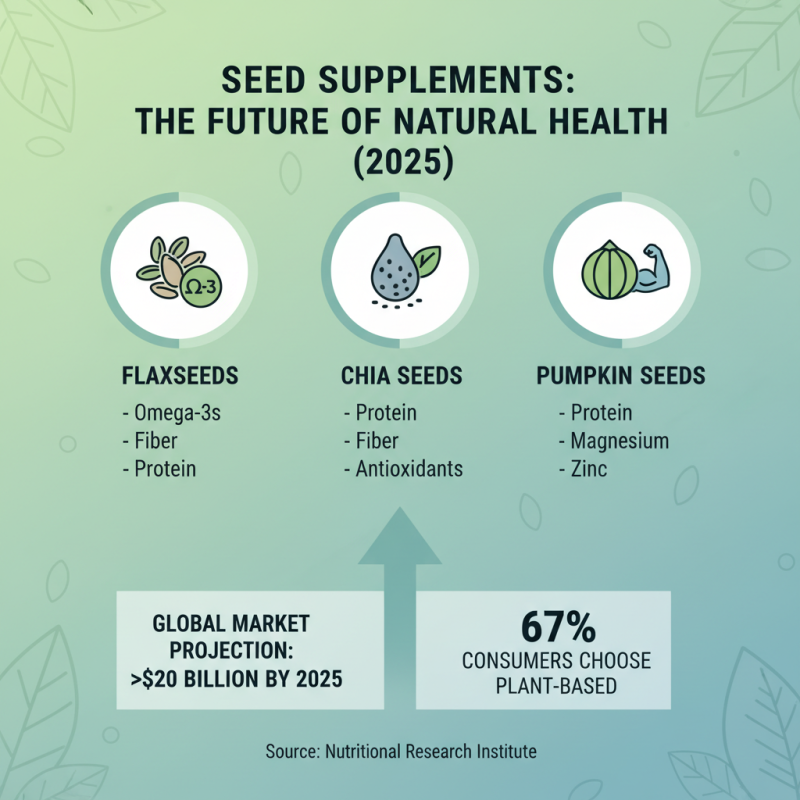
In 2025, the popularity of seed supplements is set to soar, reflecting a growing trend towards natural health solutions. Recent market analysis indicates that the global seed supplement market is projected to reach over $20 billion by 2025, driven by increasing consumer awareness about the nutritional benefits of various seeds. Notable among these are flaxseeds, chia seeds, and pumpkin seeds, which are celebrated not only for their rich protein content but also for their omega-3 fatty acids, fiber, and antioxidants. According to a report from the Nutritional Research Institute, 67% of consumers are now opting for plant-based supplements, demonstrating a clear shift towards more sustainable and health-conscious choices.
Furthermore, a study conducted by the Institute of Health and Nutrition reveals that seed supplements can play a vital role in managing chronic health conditions. For instance, flaxseed has been widely reported to improve heart health and lower cholesterol levels, while chia seeds are noted for their ability to regulate blood sugar levels. The demand for such functional foods is being reinforced by the increasing prevalence of lifestyle-related diseases and the desire for preventive health measures. As consumers seek natural, holistic ways to enhance their well-being, seed supplements are establishing themselves as key components in the nutritional landscape of 2025, promising a wealth of benefits for optimal health.
Key Nutrients Found in Top Seed Supplements: Benefits and Sources
Seed supplements have gained significant popularity as a vital source of essential nutrients that can promote optimal health. These tiny powerhouses are rich in key nutrients that contribute to overall wellness. For instance, chia seeds are packed with omega-3 fatty acids, known for their anti-inflammatory properties and support of heart health. Additionally, they provide a good source of fiber, which aids digestion and helps maintain a healthy weight. Similarly, flaxseeds are noteworthy for their lignans, which may benefit hormonal balance and offer antioxidant effects.
Another excellent option comes from pumpkin seeds, which are high in magnesium, zinc, and protein. Magnesium plays a crucial role in over 300 biochemical reactions in the body, including energy production and muscle function. The zinc content supports immune health and skin integrity, making pumpkin seeds a fantastic addition to a balanced diet.
Sunflower seeds, on the other hand, are rich in vitamin E, an essential antioxidant that protects cells from oxidative stress while promoting healthy skin and hair. Incorporating a variety of these seed supplements into your diet can create a powerful blend of nutrients that supports long-term health and vitality.
How to Incorporate Top Seed Supplements into Your Daily Diet
Incorporating top seed supplements into your daily diet is a straightforward yet highly effective way to boost your overall health. One of the simplest methods is to add these seeds to your meals, such as sprinkling chia, flaxseed, or pumpkin seeds over breakfast cereal, yogurt, or smoothies. This not only enhances the nutritional profile of your meals but also provides an enjoyable crunch and texture. For instance, a tablespoon of flaxseed can offer essential omega-3 fatty acids, while chia seeds are a great source of fiber and protein, making them a perfect addition to your smoothie or overnight oats.
Another effective way to incorporate these supplements is through homemade snacks. You can create energy balls or bars using ground seeds combined with ingredients like oats, nut butter, and honey. This not only allows you to customize your snacks to suit your taste but also makes it easy to consume a range of nutrients on the go. Additionally, adding seeds to salads can enhance both flavor and nutritional content, boosting your intake of vitamins, minerals, and healthy fats. By making these adjustments to your meals and snacks, you can seamlessly integrate seed supplements into your dietary routine, promoting better health in 2025 and beyond.
Potential Side Effects and Precautions for Using Seed Supplements
When considering the use of seed supplements for optimal health in 2025, it is essential to be aware of potential side effects and necessary precautions. While these supplements are praised for their nutrient density and health benefits—such as omega-3 fatty acids from flaxseeds and lignans known for their antioxidant properties—consumers should approach them with care.
According to a report from the National Institutes of Health, improper use can lead to gastrointestinal disturbances, including bloating and diarrhea, particularly if introduced too rapidly into one’s diet or consumed in excessive quantities.
Moreover, individuals on certain medications, such as blood thinners or hormone therapies, need to exercise caution. The American Heart Association notes that the fiber content in many seed supplements may interfere with the absorption of certain medications, diminishing their effectiveness. It is advisable to consult healthcare professionals before starting any new supplement regime, especially for those with existing health conditions or who are pregnant.
Awareness of these potential interactions can help users maximize the benefits of seed supplements while minimizing risks to their overall health.
Future Trends in Seed Supplement Formulations and Ingredients
As we look towards 2025, the landscape of seed supplements is evolving rapidly, driven by advancements in nutritional science and consumer preferences for natural solutions. Research from the Global Nutraceuticals Market Report forecasts that the seed supplement market will grow by 8.6% annually, highlighting a robust demand for ingredients that are both functional and beneficial to health. This growth is largely attributed to an increasing awareness of the health benefits associated with seeds, such as chia, flax, and pumpkin, which are packed with essential fatty acids, proteins, and micronutrients.
Future trends point to innovative formulations that combine multiple seed sources to create synergistic effects on health. For instance, studies suggest that blending flaxseed with hempseed can enhance omega fatty acid profiles, which are critical for cardiovascular health. Additionally, as the popularity of plant-based diets continues to surge, formulators are likely to incorporate superfood seeds that offer antioxidant properties, such as sacha inchi and watermelon seeds, recognized for their high levels of vitamin E and healthy fats. The emphasis will also shift towards cleaner labels with minimal processing, as consumers increasingly prefer supplements devoid of artificial additives. Thus, the next wave of seed supplement products promises not only to fulfill dietary needs but also align with evolving consumer expectations for transparency and sustainability in their nutrition choices.