How to Use a Sludge Press for Effective Waste Management?
In today’s world, waste management is more crucial than ever. The global sludge production reaches approximately 10 billion tons annually. This figure highlights the importance of effective treatment solutions, like the Sludge Press. This equipment specializes in the dewatering of sludge, an essential step in reducing waste volume.
Efficient use of a Sludge Press can dramatically lower disposal costs. According to a recent industry report, companies can save up to 30% in waste management budgets with this technology. However, challenges remain. Not all facilities utilize Sludge Press effectively. Some struggle with operating parameters and maintenance. Improper use can lead to increased downtime and operational inefficiencies.
The role of a Sludge Press is evolving as regulations tighten. Wastewater treatment facilities are under pressure to comply with stricter environmental standards. It’s an opportunity for innovation and improvement. Investing in training and technology can mitigate risks and enhance performance. The journey to optimal waste management is ongoing, and each step counts.
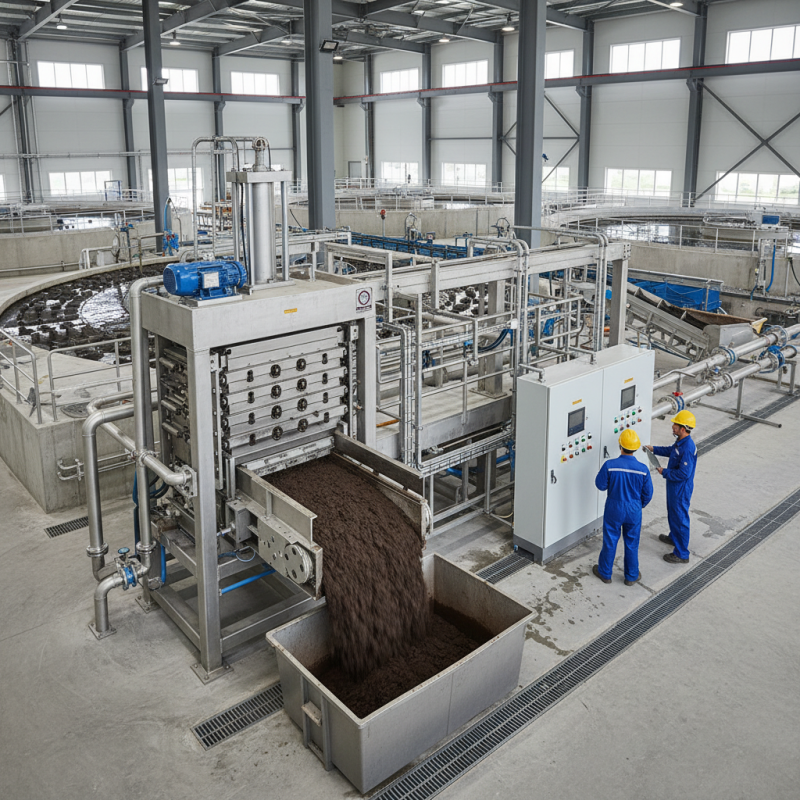
Understanding the Basics of Sludge Press Technology
A sludge press is a vital tool in waste management. It functions by dewatering sludge, which reduces its volume and facilitates easier disposal. Understanding the basics of this technology can significantly improve waste processing efficiency. The press utilizes mechanical pressure to squeeze water out of the sludge.
One common approach is the chamber design. It consists of multiple plates and frames. Sludge enters the chamber, and the press applies force. Water is expelled, creating a thicker, drier mass of sludge. This leftover material can often be used as compost or disposed of more easily. However, some operators find it challenging to achieve optimal dewatering rates.
Adjustment of pressure and timing is key. Too much pressure can damage the equipment, while too little may result in wet sludge. It requires careful monitoring and occasional recalibration. Understanding these nuances is crucial for operators. Incomplete sludge removal can lead to increased costs and operational setbacks. Operators should remain vigilant to enhance performance and ensure effective waste management.
Types of Sludge Presses and Their Applications in Waste Management
When it comes to effective waste management, sludge presses play a vital role. There are different types, designed for specific applications. The most common are belt filters and screw presses. Belt filter presses are widely used in sewage treatment. They remove excess water from sludge efficiently. Screw presses offer a compact design and are useful in various industries. They can handle low consilience and high solids content well.
Another type is the rotary drum press, known for its ability to work with thick sludge. This equipment works continuously, making it suitable for large-scale operations. It reduces odors, making it an appealing choice for urban areas.
Despite their advantages, using sludge presses does require careful consideration. Equipment maintenance is crucial, and training operators is essential. Mismanagement can lead to significant downtime. Choosing the right type based on the specific conditions is challenging. Each technique has its limitations. Evaluating factors such as sludge characteristics ensures better performance. Streamlining operations is an ongoing process that requires attention.
Step-by-Step Guide to Operating a Sludge Press
Operating a sludge press is crucial for efficient waste management in various industries. Begin by ensuring that the machine is correctly set up. Check all connections and make sure that seals are tight. A loose connection can lead to leaks, which are challenging to manage. Safety gear should be worn, including gloves and goggles. It might feel uncomfortable, but safety is paramount.
Once the machine is ready, prepare the sludge. The material should be properly screened to remove large particles. This step is often overlooked. However, neglect can lead to clogging in the press. The sludge can be thick and messy. Be prepared for spills, and have cleaning materials on hand.
After loading the sludge into the press, monitor the pressure and flow rates. Adjust the settings cautiously, as fine-tuning takes practice. Sometimes the machine behaves unpredictably. If issues arise, always consult the manual before attempting fixes. Regular maintenance is necessary to avoid future problems. Cleaning the press should be done after each use, though this can be tedious. Discovering the best cleaning method may take time. Work on refining your technique.
Maintenance Best Practices for Optimizing Sludge Press Performance
Maintaining a sludge press is crucial for efficient waste management. Regular maintenance checks ensure optimal performance and longevity. Operators should conduct daily inspections to catch issues early. Look for leaks, unusual noises, or pressure fluctuations. These signs can indicate underlying problems.
Tips: Clean all filters routinely. Clogged filters reduce efficiency. Inspect seals and gaskets for wear. A small leak can lead to greater issues if ignored. Regular lubrication of moving parts reduces friction and wear, increasing the press's lifespan.
Training operators is vital. They should understand how the system works. Knowledgeable staff can better troubleshoot minor issues. However, mistakes happen. Some may overlook routine checks, leading to downtime. It’s important to learn from these experiences to enhance future operations. Keep a log of maintenance activities. This helps track potential recurring issues and develop better practices.
How to Use a Sludge Press for Effective Waste Management? - Maintenance Best Practices for Optimizing Sludge Press Performance
| Maintenance Activity | Frequency | Expected Outcome | Notes |
| Inspection of Filter Press | Weekly | Identify wear and tear early | Check for leaks |
| Cleaning of Membranes | Monthly | Maintain flow efficiency | Use proper cleaning agents |
| Adjustment of Pressure Settings | As Needed | Optimize dewatering process | Consult manual for specifications |
| Lubrication of Moving Parts | Quarterly | Reduce friction, increase lifespan | Use manufacturer's recommended lubricant |
| Calibration of Instruments | Bi-Annually | Ensure accurate readings | Document calibration results |
Environmental Benefits of Using a Sludge Press in Waste Management
The environmental benefits of using a sludge press in waste management are significant. These machines effectively reduce the volume of sludge from wastewater treatment plants. This process minimizes the need for landfills, which can harm local ecosystems. By removing excess water, a sludge press converts wet waste into a more manageable form. This transformation leads to easier transportation and disposal.
Moreover, a sludge press contributes to sustainability by allowing for the recycling of valuable materials. Nutrients in the sludge can be repurposed as fertilizers for agricultural use. This not only reduces waste but also returns essential elements to the soil. However, it is important to note that not all sludge can be treated equally. Some types may contain harmful chemicals, raising concerns about safety in reuse.
The financial aspect also invites reflection. Investing in a sludge press can be costly initially, but the long-term savings are undeniable. Reduced landfill expenses and potential revenue from recycled materials can offset these costs. Nonetheless, businesses must carefully consider their waste types and treatment options. Effective waste management is a complex issue, often requiring tailored solutions.
