What Is Barista Instant Coffee?
Barista Instant Coffee is designed to bring a café-style cup to kitchens, offices, and travel bags without an espresso machine. It usually begins with brewed coffee that has been dried into soluble granules or powder. Add hot water, stir, and the drink is ready. Convenient. But “barista” on a label does not guarantee a particular taste or quality.
Coffee educator James Hoffmann has said, “Coffee is a fruit.” That reminder matters here: the coffee’s origin, roast, and processing can shape its flavor, even after drying. A well-made instant coffee may offer chocolate, caramel, or gentle fruit notes. In the cup, the granules should dissolve evenly, with no stubborn grit at the bottom. Water temperature and strength still matter. Too much powder can make a cup taste harsh; too little can leave it thin.
This guide explains what Barista Instant Coffee is, how it is made, and what separates it from ordinary instant coffee. It also looks at taste, preparation, and practical buying cues, such as ingredient details and roast descriptions. There is a limit, though: instant coffee cannot reproduce every texture or aroma of freshly ground espresso. That is worth saying plainly. The term “barista” can describe a style or positioning, not a universal quality standard. Knowing that helps readers judge the cup itself, rather than relying on the label alone.
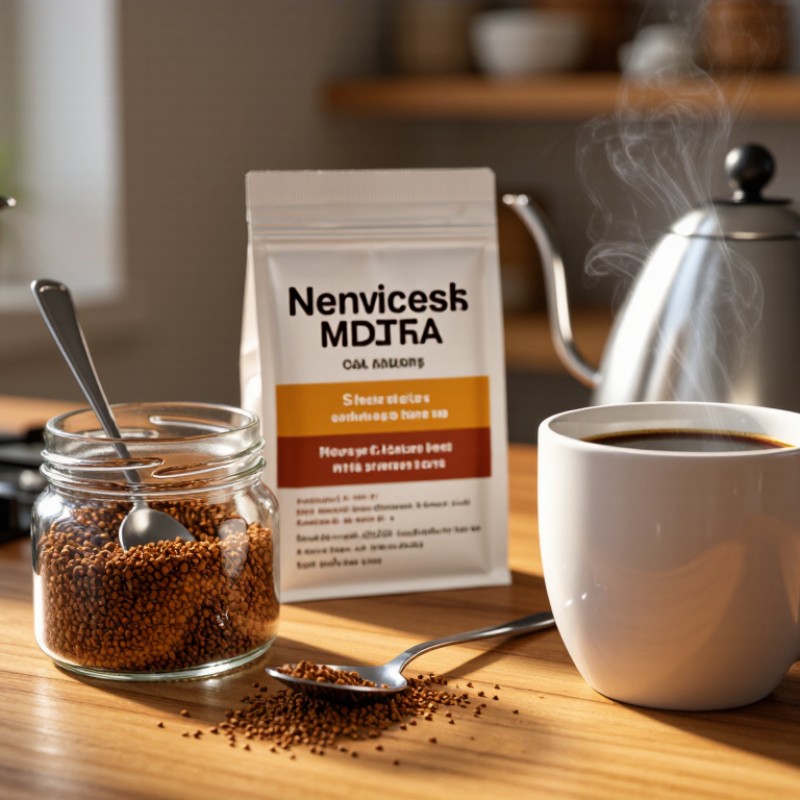
What Barista Instant Coffee Is and How It Is Made
Barista instant coffee is soluble coffee positioned for espresso-style drinks and café-like recipes at home. “Barista” is a descriptive label, not a standardized quality grade. Most products begin with roasted beans that are ground, brewed in large extraction systems, and filtered. The concentrated coffee is then dried into soluble granules or powder. Spray drying uses hot air; freeze-drying removes ice from frozen concentrate under vacuum. These methods affect texture and aroma, but the beans, roast, extraction, and storage matter too. The label alone proves little.
Preparation is simple: dissolve the measured coffee in a small amount of hot water, then add steamed milk or foam if desired. Some products are formulated to disperse well in milk, but results vary. The National Coffee Association’s 2024 National Coffee Data Trends report found that 67% of U.S. adults had coffee the previous day. That figure covers coffee overall, not instant coffee specifically. A useful test is practical: check whether the granules dissolve evenly, then adjust the dose and water temperature. Small changes matter. Convenience has a trade-off; instant coffee may not reproduce the aroma or texture of freshly ground espresso.
What Is Barista Instant Coffee? How It Is Made
Instant coffee is brewed coffee that has been dried into soluble crystals or powder. This chart shows the usual order of its production stages; the bar heights indicate sequence, not time or volume.
After roasting and grinding, coffee is extracted with hot water and filtered. The liquid is concentrated, then dried—typically by spray-drying or freeze-drying—to make instant coffee.
How It Differs from Regular Instant Coffee
What Is Barista Instant Coffee?
How It Differs from Regular Instant Coffee
Barista instant coffee is designed to make a more café-like cup with the convenience of instant granules. Like other instant coffee, it starts as brewed coffee that is dried for quick dissolving. The term “barista” is not a universal quality standard, though. It can describe a product’s intended flavor and use, rather than a specific production method.
The difference often comes down to the beans, roast, extraction, and drying process. Some coffees are freeze-dried, which can help retain delicate aromas, but the method alone does not guarantee better flavor. Look for a clear coffee aroma and granules that dissolve evenly. A cup should taste balanced, not merely strong. Small details matter.
Regular instant coffee may lean toward a simple, consistent taste, while barista-style options may aim for more noticeable roast, chocolate, or fruity notes. They can also be made to work well with milk or a little foam. Still, “barista-style” does not mean every cup will taste like one from a café. Water temperature and spoonful size can change the result. It may taste thin. Adjust the amount gradually, and judge it in the drink you actually enjoy.
What Is Barista Instant Coffee? - How It Differs from Regular Instant Coffee | Dimension | Barista-Style Instant Coffee | Regular Instant Coffee |
| Meaning | A descriptive or marketing term for instant coffee positioned for a fuller, café-style cup. It does not have one universal, legally fixed recipe. | A broad category of coffee made soluble so it can be prepared by adding hot water or another suitable liquid. |
| Coffee form | Often sold as granules or crystals; some products may include finely ground coffee. Check the ingredient list and preparation directions, since formats differ. | Commonly sold as soluble granules, crystals, or powder made from brewed coffee extract. |
| Intended use | May be formulated or presented for drinking black or mixing into milk-based drinks such as lattes and cappuccinos. | Typically intended as a convenient cup of coffee; it can also be used in milk drinks, depending on personal taste. |
| Flavor and body | Often described as fuller or more pronounced, but the actual flavor depends on the coffee, roast, processing, and recipe. | Flavor and body vary widely across products; some are mild, while others are rich or intense. |
| Dissolving and texture | Soluble versions dissolve when prepared as directed. If a product contains ground coffee, some particles may remain rather than dissolve completely. | Soluble coffee is designed to dissolve in liquid; follow the package directions for the best result. |
| Preparation | Usually prepared by stirring into hot water or milk. A concentrated mixture can be combined with steamed or frothed milk if the product directions allow. | Usually prepared by stirring into hot water; some varieties also dissolve in cold liquids or are intended for iced drinks. |
| Ingredients | May be coffee only or may include other ingredients, depending on whether it is a plain instant coffee or a prepared drink mix. Read the ingredient list. | Plain instant coffee is generally coffee alone; instant coffee mixes may also contain ingredients such as sugar or milk solids. |
| Caffeine | Caffeine content varies by product and serving size; the “barista-style” label alone does not indicate how much caffeine it contains. | Caffeine content also varies by product and serving size. Check the package if a specific amount matters. |
| Best comparison tip | Compare ingredients, serving directions, and taste rather than relying on the name alone. | Compare the same details and prepare each coffee at the recommended strength for a fair comparison. |
Key Ingredients, Flavor, and Texture
What Is Barista Instant Coffee?
Barista instant coffee is soluble coffee made for drinks such as lattes and cappuccinos. The term “barista” is not a regulated recipe, so products can differ. Some contain only coffee; others include sugar, milk powder, or flavorings. Check the ingredient list to know what is in your cup.
The coffee itself is brewed, then dried into crystals or powder. Freeze-dried pieces often look larger and dissolve readily in hot water, while finer powders can disappear quickly but may feel less substantial. Flavor depends on the beans and processing: expect anything from toasted nuts and cocoa to sharper, fruit-like notes. Not every cup tastes rounded. That is part of the appeal, perhaps, though a bitter finish can overpower delicate flavors.
Texture also depends on what you add. A small amount of hot water makes a concentrated base; warmed milk can soften its edges and add a smoother, fuller feel. For a foamy drink, whisk or froth the milk separately, since instant coffee alone usually will not create lasting café-style foam. Start with the serving amount on the label, then adjust. My description of “fuller” is imperfect: milk, water temperature, and personal taste all change the impression.
How to Prepare Barista Instant Coffee
What Is Barista Instant Coffee? How to Prepare Barista Instant Coffee
Barista instant coffee is soluble coffee made for a fuller, café-style cup, often with a richer aroma or finer texture. Preparation is simple, but small changes in water and quantity affect the taste. Start with a clean, dry mug and check the serving guidance on the package, since granule strength can vary. Add the coffee, then pour in a little hot water and stir until it dissolves. Top up with about 180 to 240 milliliters of hot water, adjusting the amount to suit your taste. The first cup may still taste flat. Treat that as useful feedback, not failure.
Tips: Let freshly boiled water rest briefly before pouring, especially if you prefer a softer taste. Stir well around the bottom of the mug, where granules can cling. For a creamier drink, add warm milk after dissolving the coffee. Try one change at a time; otherwise, it is hard to tell what improved the cup.
For a stronger flavor, use slightly more coffee rather than reducing the water too much. If you prefer a lighter cup, add water gradually and taste as you go. Avoid shaking dry granules into cold milk unless the package says they dissolve well that way; some leave small lumps. There is no single perfect ratio. Keep the method consistent for a few cups, then adjust one detail at a time.
Common Uses in Home and Café Drinks
Barista instant coffee is soluble coffee made for quick drink preparation, with a flavor profile intended to work in more than a plain mug. A measured spoonful dissolves in hot water; the resulting coffee can also become a base for iced drinks, mochas, or coffee-flavored milk. For a smoother cold drink, dissolve it in a little warm water first. Less grit.
At home, it suits small kitchens, early mornings, and recipes that need a coffee boost without brewing a full pot. In cafés, staff can use it for fast service, blended drinks, and consistent coffee flavor in desserts or seasonal specials. It is not a perfect stand-in for freshly pulled espresso: aroma and texture can differ, and a heavy hand may make a drink taste harsh. Adjust the dose and water rather than assuming every powder behaves the same.
The National Coffee Association’s 2024 National Coffee Data Trends report found that 67% of U.S. adults had coffee in the past day. That figure describes coffee overall, not instant coffee specifically, but it shows how routine coffee drinking is. A soluble option can help meet that everyday demand when speed and easy portioning matter. Still, convenience is only useful if the cup tastes balanced.
