What Are the Top Ginseng Capsules Suppliers in China?

Choosing among China’s Ginseng Capsules suppliers takes more than comparing prices or polished product photos. Buyers need to know which Panax species a capsule contains, how the ingredient was processed, and whether the supplier can provide recent, batch-specific test documents. A clear label is a start. It is not proof. Ask about identity testing, active-compound testing, contaminants, manufacturing controls, and traceability. Then check whether the answers match the product specification and sample.

Ginseng researcher Dr. Richard B. van Breemen has studied ginseng and botanical products. A fair paraphrase of the lesson his research supports is: “Verify what the product contains, and judge its claims by evidence.” This is an editorial paraphrase, not a direct quotation. It matters when supplier pages use broad terms such as “premium extract” without naming the species, extract ratio, or testing method. One practical detail: request a sample label and a certificate of analysis for the same production batch. Look for consistent ingredient names and dates. Small mismatches deserve questions.

This guide compares potential Chinese suppliers by documentation, manufacturing transparency, product consistency, and communication—not by marketing language alone. Some companies may provide stronger records than their websites suggest; others may leave important details unclear. That is worth admitting. No online shortlist can replace independent checks, sample review, and direct discussion with the manufacturer. Use the profiles as a starting point, not a guarantee. For Ginseng Capsules, careful verification is less exciting than a low quote, but it is more useful.

What Are the Top Ginseng Capsules Suppliers in China?

What Ginseng Capsules Are and How They Are Made

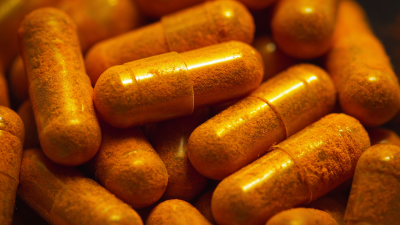
Ginseng capsules usually contain either finely milled root or a concentrated extract inside a measured shell. These are not interchangeable. Root powder retains more of the plant’s original material, while extraction concentrates selected compounds, including ginsenosides. The exact profile depends on species, root age, processing, and extraction conditions. A capsule label alone cannot reveal every detail.

Manufacturing starts with botanical identification and inspection. Roots are cleaned, dried, and milled, or extracted with a controlled solvent and then concentrated and dried. The resulting powder is blended, checked for flow, and filled into capsules. Tiny details matter. Suppliers should test identity, ginsenoside levels, moisture, microbes, and contaminants across production batches. The American Botanical Council’s 2023 HerbalGram report recorded U.S. herbal supplement sales of $12.025 billion in mainstream retail channels, up 4.3% from 2022. That figure describes the wider supplement market, not ginseng capsules specifically. It signals commercial demand, not product quality. Not enough, though. A certificate may show a test result, but buyers should check the method, batch number, and laboratory scope. I would also question any claim that one marker level proves a capsule’s overall quality. It does not.

Key Factors for Evaluating Chinese Ginseng Capsule Suppliers

Choosing a Chinese ginseng capsule supplier starts with checking what the capsules contain. Ask for the botanical name, plant part, growing region, and extraction ratio. These details help distinguish root powder from concentrated extract, which can differ in composition and testing needs. Request a batch-specific certificate of analysis. It should report identity, microbial counts, heavy metals, and pesticide screening, with test methods and laboratory details. Paperwork matters.

Assess the facility, not only the sales materials. Ask whether the supplier can explain its quality controls, batch records, and procedures for handling product complaints. Check whether capsule weight and fill consistency are monitored during production. If possible, review a sample and compare its packaging details with the documents. A polished catalogue is not proof of reliable production. I would also ask the same technical question in writing and see whether the answer is specific; vague replies are worth noting, though they do not tell the whole story.

Tips: Request documents for the exact product and batch you may purchase. Confirm ingredient specifications, minimum order quantities, lead times, and storage conditions before paying. Keep a written record of agreed standards. Small details can slip.

Types of Ginseng Capsule Suppliers in China

China’s ginseng capsule suppliers generally fall into three groups: direct manufacturers, contract manufacturers, and ingredient-focused suppliers. Direct manufacturers operate production lines and may control capsule filling, packaging, and batch testing. Their facilities can offer clearer production records, but buyers should still check what each supplier actually makes in-house.

Contract manufacturers produce capsules to a client’s specifications. They may help select capsule materials, set serving sizes, and arrange custom packaging. Ask for a sample batch record and details about ingredient sourcing before discussing larger orders. Small differences matter.

Ingredient-focused suppliers sell dried ginseng, powders, or extracts to capsule producers. They can provide useful information about plant parts, extraction methods, and supplier documentation, though they may not make finished capsules themselves. Some companies combine these roles, which can make the category less tidy than a directory suggests.

For any supplier type, request a current certificate of analysis for the relevant batch and ask how identity, moisture, and contaminants are assessed. Review facility certifications directly; a certificate alone does not prove that every process is consistent. Details matter. If specifications are vague or records do not match the product label, pause and ask for clarification. I would not treat a polished sample as proof of reliable repeat production.

What Are the Top Ginseng Capsules Suppliers in China? - Types of Ginseng Capsule Suppliers in China

The table below compares common supplier types rather than ranking individual companies. Capabilities vary by supplier, so verify product specifications and documentation directly.

Supplier Type Typical Offering Role in the Supply Chain Key Details to Verify Often Suitable For
Ginseng growers and primary processors Dried ginseng roots, root slices, or milled root powder Cultivate or source roots and prepare them for further processing Botanical species, country and region of origin, plant part, harvest and processing details, and contaminant test results Businesses that have their own extraction or capsule-production facilities
Ginseng extract ingredient suppliers Powdered extracts with stated extract ratios or marker-compound specifications Process ginseng into an ingredient for capsule and other supplement manufacturers Species and plant part, extraction solvent, extract ratio, test method, specification sheet, and batch-specific certificate of analysis Brands or manufacturers seeking a defined extract ingredient
Contract capsule manufacturers Finished capsules made with ginseng powder, extract, or a specified blend May handle formulation, encapsulation, packaging, and production for another business Manufacturing-site details, quality-system records, ingredient traceability, capsule material, batch testing, and packaging specifications Buyers seeking finished products without operating a capsule-production line
Private-label supplement suppliers Ready-made or customizable ginseng capsule products supplied for sale under a buyer’s label Typically coordinate finished-product production and label or packaging options Formula ownership, permitted label claims in the destination market, minimum order quantity, packaging options, and export documentation Retailers and new supplement brands evaluating a lower-complexity launch
Exporters and trading suppliers Bulk ingredients or finished capsules sourced from one or more manufacturers Coordinate sourcing, order handling, and export transactions; production may be performed by a separate facility Actual manufacturing site, supplier authorization, batch traceability, product documents, shipping terms, and import requirements for the destination country Importers that need sourcing or logistics coordination

Before purchasing, confirm whether the product contains Panax ginseng or another species, and distinguish root powder from extract. Request current, batch-specific quality documents and check the rules that apply in the intended sales market.

How to Verify Supplier Quality, Certifications, and Compliance

What Are the Top Ginseng Capsules Suppliers in China?
How to Verify Supplier Quality, Certifications, and Compliance

A reliable supplier should provide records that match the actual product and production site. Request the botanical name, plant part, country of origin, and a batch-specific certificate of analysis. Check that the report lists relevant tests, such as ginsenoside content, heavy metals, pesticides, and microbial limits. A polished document is not proof by itself. Confirm the laboratory’s credentials and contact the issuing organization when possible.

Tips: Match the batch number on the certificate to the sample and product label. Verify GMP or other quality certificates directly with the issuer. Check the certificate’s scope, site address, and expiry date. Ask for recent test results, not just a generic template.

Before placing a large order, compare a retained sample with the first production batch. Review the supplier’s quality procedures and ask how it handles rejected lots, complaints, and traceability. Requirements can differ by destination market, so verify applicable import and labeling rules with a qualified local professional. One detail is easy to miss: a valid certificate may cover a facility but not every product or process. Independent testing can add assurance, though it takes time and cost.

What Are the Top Ginseng Capsules Suppliers in China?

A practical checklist for verifying supplier quality, certifications, and compliance

Bars count example evidence checks in each category—not supplier ratings or rankings. Confirm that documents are current and cover the relevant product, facility, and activities; certification requirements vary by scope and market.

Comparing Suppliers by Product Range and Export Capabilities

When comparing ginseng capsule suppliers in China, product range is more useful than a long catalogue alone. Check whether a supplier offers consistent capsule strengths, clearly identified ginseng species, and different pack sizes. Ask for current specifications, ingredient lists, and batch-level certificates of analysis. Details matter. A neat catalogue cannot show whether the next production run will match the last one.

Export capability should be judged through practical records, not confident sales language. Ask about experience shipping to your target market, export documents, packaging options, and how orders are tracked. Suppliers with established quality systems may provide clearer batch traceability and respond more efficiently to document requests. Still, a polished website is not proof of reliable operations. Request sample documents and confirm that names, dates, and product details match. Small inconsistencies deserve a question.

A careful comparison also includes minimum order quantities, lead times, and how the supplier handles delays or specification changes. Some exporters may offer a broad range but limited customization; others may support tailored packaging while carrying fewer capsule formats. Neither is automatically better. I would not rank suppliers from catalogue size alone. Written specifications and a transparent sample review often reveal more than a sales call.