
How to Source Seed Supplements for Your Business?
Sourcing Seed Supplements for a business is more than comparing prices and choosing attractive packaging. The decisions behind each product affect consistency, customer trust, and the claims your brand can responsibly make. A dependable process starts with a clear product brief: seed type, ingredient form, intended use, target market, and quality expectations. Even small details matter. A powder’s color, aroma, and texture can vary between batches, so specifications should describe acceptable ranges rather than rely on appearance alone.
Supplier conversations should cover ingredient origin, processing methods, allergen controls, and batch traceability. Request current product specifications and certificates of analysis, then confirm what testing they represent. Independent laboratory testing may help verify identity, purity, and relevant contaminants, but testing needs should reflect the ingredient and product format. Ask how the supplier handles deviations and whether records can connect a finished batch to its source materials. Clear answers are useful. Vague promises are not.
Price still matters, but the lowest quote may leave important questions unanswered. It can be tempting. Consider production capacity, sample quality, communication, lead times, and packaging options alongside cost. Check that product labels and marketing language suit the rules in every intended sales market; requirements differ, and qualified regulatory advice can prevent avoidable mistakes. No supplier relationship is perfect, and a polished audit cannot eliminate every risk. Reassess performance over time, document decisions, and keep room to improve. A thoughtful sourcing plan gives a business a stronger basis for dependable Seed Supplements, without pretending that quality can be guaranteed by one certificate or one conversation.

Define Your Seed Supplement Requirements and Product Specifications
How to Source Seed Supplements for Your Business?
Define Your Seed Supplement Requirements and Product Specifications
Before contacting suppliers, define what the product must contain and how customers will use it. Specify the seed species, ingredient form, and intended serving size. For example, a powdered seed ingredient may need a finer texture for blending into drinks, while whole seeds suit a different format. Record the target customer, flavor expectations, and any dietary or allergen considerations. Details matter.
Set measurable quality requirements. Ask for the ingredient’s identity, processing method, country of origin, and batch-level certificate of analysis. Define acceptable ranges for key nutrients, moisture, and particle size where relevant. Request testing information for microbiological quality, heavy metals, and pesticide residues. Confirm that packaging protects the product from light and moisture, and ask how shelf life is established. Not always easy.
Specifications should also cover documentation and supply consistency. Check whether the supplier can provide traceability records, sample results, and clear procedures for handling out-of-specification batches. Compare samples under realistic conditions: mix a measured serving, note settling or bitterness, and repeat the check after storage. Keep written records, even when a sample seems excellent. A promising taste is not proof of a consistent product, and a polished specification can still leave gaps. Revisit assumptions with a qualified food or quality professional before finalizing the purchase.
How to Source Seed Supplements for Your Business? - Define Your Seed Supplement Requirements and Product Specifications
| Seed ingredient | Intended product form | Identity and processing requirements | Example quality specifications | Testing and documentation | Packaging and handling |
|---|---|---|---|---|---|
| Flaxseed (linseed) | Whole seed, milled powder, or cold-pressed oil | Specify brown or golden variety, seed-only or blended ingredient, and whether heat treatment is permitted. Milled flax is more exposed to oxidation than whole seed. | Set moisture target at or below 8% for whole seed; define particle-size range for powder and sensory limits for odor, color, and rancidity. | Request identity and composition testing, moisture results, microbiological results, contaminant screening, and a batch-specific certificate of analysis. | Use sealed, moisture- and oxygen-barrier packaging. For milled product or oil, specify protection from light, heat, and air during storage and shipping. |
| Chia seed | Whole seed, milled powder, or oil | Define seed color range, cleaning requirements, and whether the ingredient must be untreated, heat-treated, or otherwise processed for the intended use. | Set moisture target at or below 8%; specify limits for foreign material, damaged seeds, and particle size where applicable. | Request identity, moisture, microbiological, pesticide-residue, and heavy-metal results appropriate to the destination market. | Specify food-grade, sealed packaging with a lot code. Protect powder and oil from moisture and oxidation; define storage temperature and shelf-life evidence. |
| Pumpkin seed | Whole kernels, seed powder, or seed oil | State whether shells are removed, whether roasting is allowed, and whether the product is intended as a single ingredient or part of a blend. | Define kernel size or powder mesh, moisture target (for example, at or below 8%), color, taste, and acceptable levels of broken material. | Request batch-specific identity, moisture, microbiological, allergen, and contaminant documentation; require a process description for roasted ingredients. | Use clean, sealed packaging that limits moisture and oxygen exposure. For oil, specify light-protective containers and suitable shipping conditions. |
| Sunflower seed | Kernels, protein or seed powder, or oil | Specify hulled or unhulled material, extraction or milling method, and whether the powder is defatted or full-fat. | Set moisture and foreign-material limits; for powder, define particle size and required protein or fat range based on the product formulation. | Request composition results, microbiological testing, contaminant screening, allergen information, and a certificate of analysis for each lot. | Choose moisture-barrier packaging; use oxygen- and light-protective packaging for oil-rich powders and oils. Confirm packaging is food-contact suitable. |
| Hemp seed | Hulled seed, seed powder, or oil | Specify hulled or whole seed, country of origin where relevant, and processing method. Define applicable cannabinoid-related requirements for the intended market and product type. | Define moisture, sensory, particle-size, and composition ranges. Set market-specific limits for any regulated constituents where applicable. | Request identity, composition, microbiological, pesticide-residue, and contaminant results. Obtain additional documentation required by the destination market. | Use sealed packaging that limits oxygen, light, and moisture exposure. Document storage conditions and shelf-life validation for oil-rich products. |
| Sesame seed | Whole seed, milled seed, or sesame oil | Specify hulled or unhulled seed, color, roasting status, and whether cross-contact with other allergens must be controlled. | Define moisture, purity, color, and sensory limits; set particle-size requirements for milled product and oxidation criteria for oil. | Request allergen-control information, identity and composition testing, microbiological results, and contaminant screening relevant to the market. | Require clear allergen status and traceability on lot documents. Protect milled seed and oil from moisture, heat, and oxygen during storage. |
| All seed ingredients | Raw material, blend component, or finished supplement input | Record botanical name, ingredient form, country of origin, manufacturing process, intended use, and whether carriers or processing aids are present. | Agree written acceptance criteria for identity, purity, moisture, sensory quality, composition, and shelf life before placing a purchase order. | Collect specification sheet, certificate of analysis, allergen statement, ingredient statement, traceability details, food-safety certifications, and change-control commitments. | Define package size, material, lot coding, tamper evidence, pallet conditions, storage temperature, minimum remaining shelf life on arrival, and shipping requirements. |
Related Posts
-
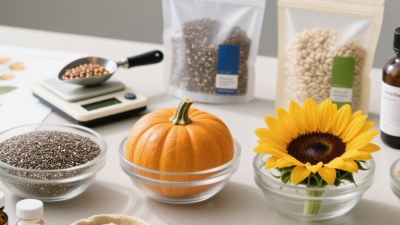
What Are the Top Seed Supplements for Global Buyers?
-
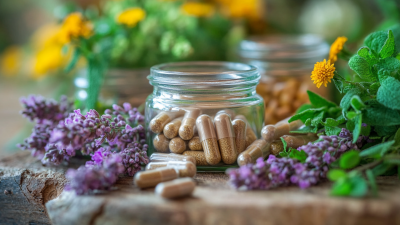
Exploring Natural Alternatives to Pharmaceutical Solutions with Best Herbal Supplements
-
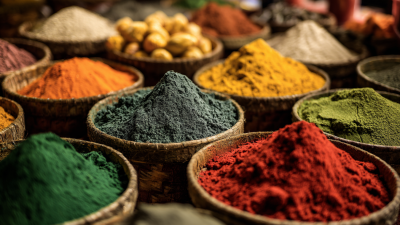
Exploring the Herbal Powder Market Growth Opportunities at the 138th Canton Fair 2025 China
-
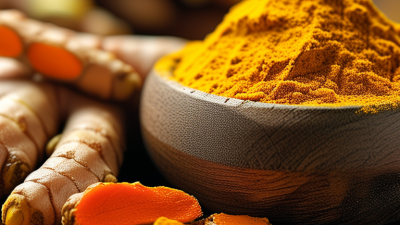
2026 Top Turmeric Powder Suppliers for Global Buyers
-

Unlocking Global Opportunities: Licorice Root Extract Shines at the 137th Canton Fair 2025
-

What is the Power of Organic Curcumin in Everyday Wellness